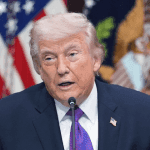
Peter Schiff cautioned that market enthusiasm, fueled by renewed U.S.-China trade optimism, hides deeper strains, with rising deficits, stubborn inflation, and accelerating de-dollarization undermining confidence in America’s long-term economic foundation.
Peter Schiff Warns US–China Trade Deal Won't Stop De-Dollarization or Soaring Deficits
WRITTEN BY

SHARE
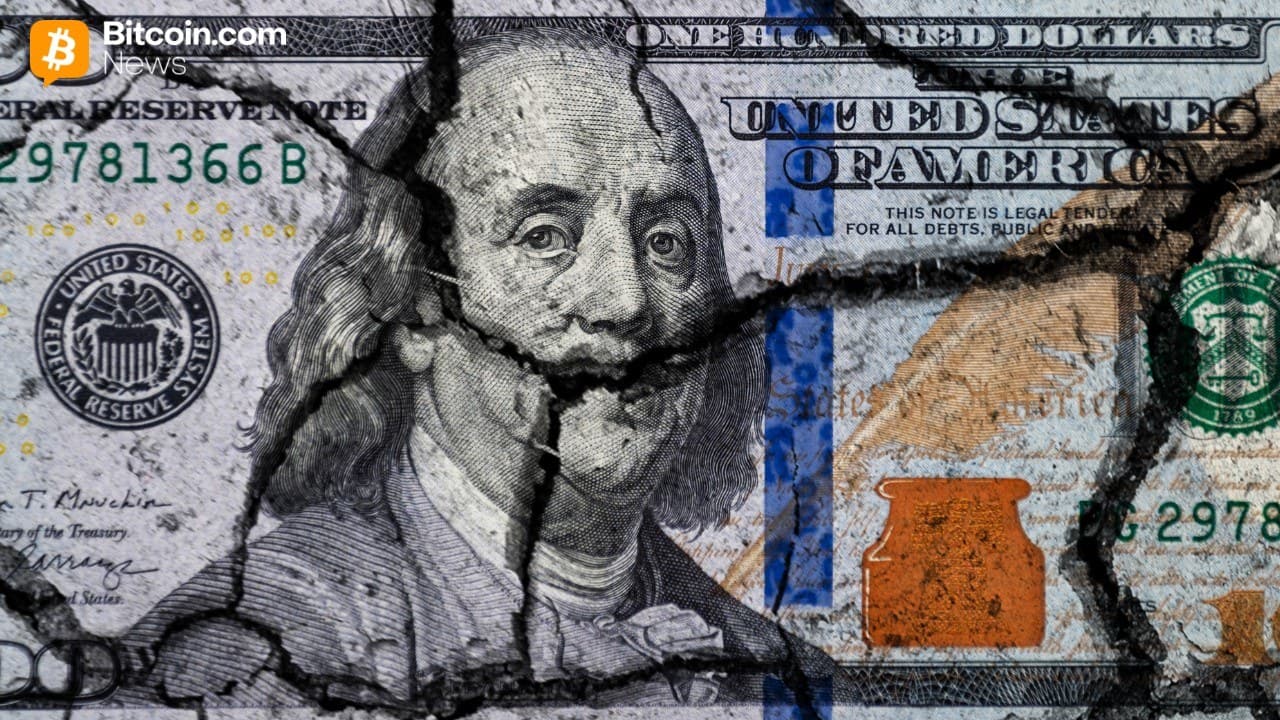
Peter Schiff Warns of Dollar Crisis Despite Trade-Driven Market Surge
Global financial sentiment appeared volatile as markets responded to optimism over renewed U.S.-China trade discussions. Investors interpreted the progress as a sign of easing geopolitical tensions, lifting stock futures and the dollar. However, economist and gold advocate Peter Schiff cautioned that the market’s enthusiasm overlooks deeper structural risks within the U.S. economy. He warned that expanding budget deficits, persistent inflation, and a global shift away from the dollar are eroding the country’s long-term financial credibility despite temporary improvements in market sentiment.
Schiff stated on social media platform X on Oct. 27: “ Gold is down this morning as investors react to news of a trade deal with China that will move us closer to where we were before Trump escalated the war.” He warned:
But the deal will do nothing about soaring budget deficits, rate cuts, inflation, or de-dollarization.
He added: “ Gold will keep rising.” His comments, while referencing gold’s short-term weakness, underscored a broader warning that the U.S. economy is relying on unsustainable fiscal and monetary measures. Schiff suggested that policymakers are using trade headlines to obscure the weakening fundamentals of the dollar and the accelerating loss of global trust in U.S. financial policy.
Reinforcing his skepticism of investor behavior, Schiff remarked on Oct. 26: “Stock futures & bitcoin are up and gold is down on news that the extra 100% tariffs on Americans buying Chinese goods, which were set to go into effect on Nov. 1st, will be delayed as the U.S. & China are close to another meaningless trade deal that Trump can tout as another win.” He argued that such optimism is misplaced, noting that inflationary pressures and deficit spending will continue to drive de-dollarization. Schiff maintained that without fiscal restraint, the apparent strength of the U.S. economy will give way to structural decline and reduced global confidence in the dollar.
FAQ 🧭
- Why is Peter Schiff warning about the U.S. economy despite positive market sentiment?
Schiff believes expanding deficits, inflation, and de-dollarization are eroding the U.S.’ long-term financial stability regardless of short-term trade deal optimism. - How do renewed U.S.-China trade talks affect the markets?
Markets have responded with optimism, lifting stock futures and the dollar, but experts warn the enthusiasm is masking deeper economic risks. - What is the outlook for gold amid these market moves?
Schiff argues that gold will continue to rise as structural issues in the U.S. economy undermine investor confidence in fiat currencies. - How is de-dollarization impacting U.S. global financial credibility?
A shift away from the dollar is accelerating as countries lose trust in U.S. fiscal policies, threatening its long-term global economic dominance.