A coalition of over 1,300 economists—including Nobel laureates and former policymakers—has publicly denounced the Trump administration’s 2025 tariff policies as reckless, harmful, and historically misguided.
Over 1,300 Economists Condemn Trump’s Tariffs as Economic Folly
WRITTEN BY

SHARE
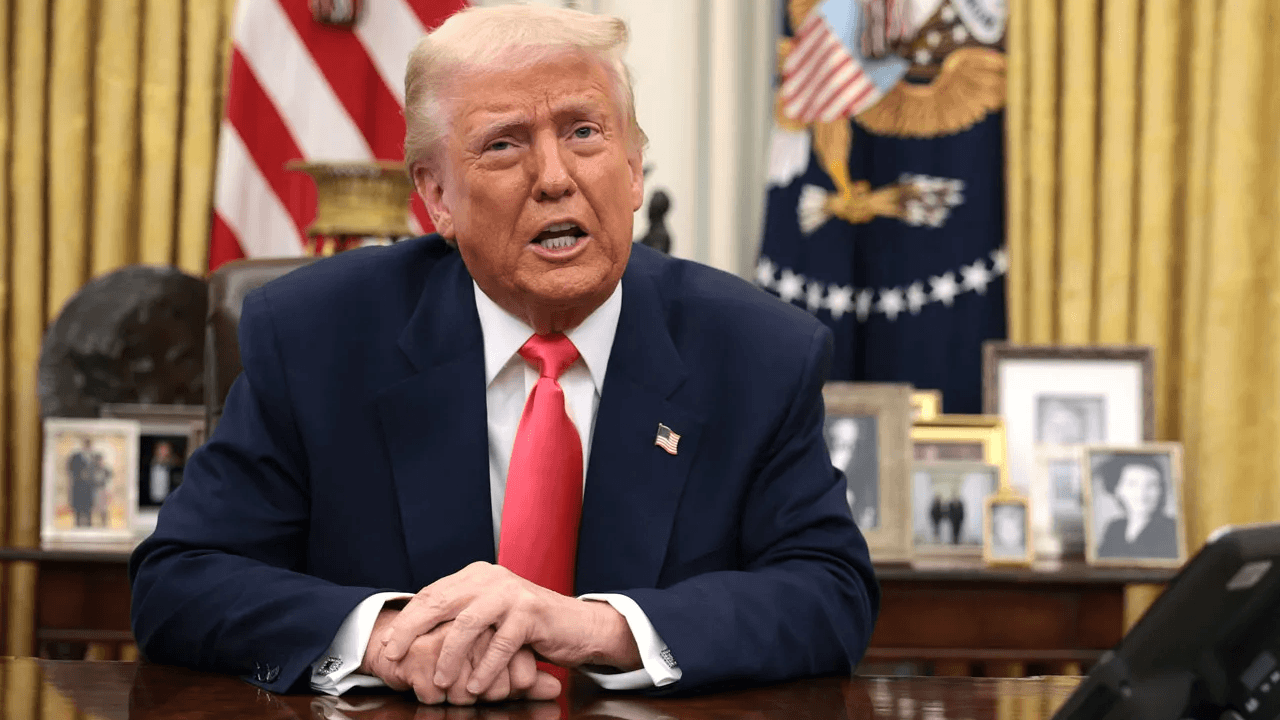
Trump’s Tariffs Face Elite Academic Rebuke
In a sweeping condemnation of U.S. trade policy, more than 1,300 economists have signed the “Anti-Tariff Declaration,” a public statement opposing the Trump administration’s aggressive use of protective tariffs since 2025. The declaration was spearheaded by economists Don Boudreaux and Phil Magness and includes signatories such as Nobel Prize winners James Heckman and Vernon Smith, and former economic advisors like N. Gregory Mankiw.
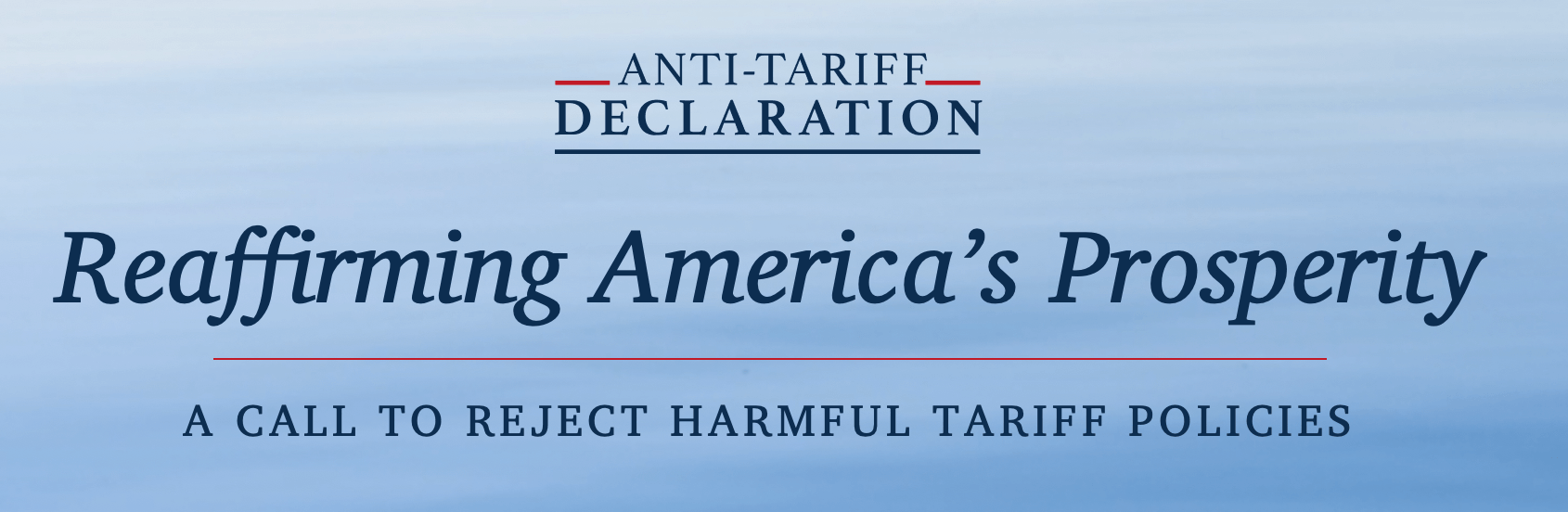
The economists criticize the administration’s use of executive orders to impose steep “reciprocal” tariffs, calling them the largest trade-related tax hike in nearly a century. These tariffs, they argue, have sown uncertainty in the global economy and disrupted supply chains by altering trade rules without congressional oversight.
“The window to reverse these incoherent and damaging policies is closing,” the economists’ declaration states. “We remain hopeful, however, that sound economic principles, empirical evidence, and the warnings of history will prevail over the protectionist mythologies of the moment.”
According to the declaration, the administration’s rhetoric falsely portrays these measures as advancing “economic liberation,” while in reality, they contradict core economic principles and threaten prosperity. The signatories emphasize that freedom to trade enhances per-capita income, economic efficiency, and global cooperation.
The statement also draws historical parallels, noting that similar protectionist efforts, such as the 1930 Smoot-Hawley Tariff, deepened the Great Depression. Today’s globalized economy, they argue, makes the stakes even higher for policy missteps.
Critically, the declaration challenges the legal and constitutional basis of the tariffs, asserting that the power to regulate trade lies with Congress. The economists argue that the executive branch’s unilateral actions subvert democratic processes and long-standing legislative authority.
The group calls for an immediate reversal of these policies, advocating a return to free trade and voluntary exchange as cornerstones of American prosperity. They appeal not only to empirical economic evidence but to foundational ideals stretching back to Jefferson and Washington.
The declaration reflects a rare consensus within the economics profession, uniting voices across political lines against what they describe as economically incoherent protectionism.
Despite the rebuke, Trump has disregarded such critique on several occasions. “The businessmen who criticize tariffs are bad at business, but really bad at politics,” Trump stated on Truth Social this weekend. “They don’t understand or realize that I am the greatest friend that American capitalism has ever had,” he added.