Nigeria’s currency reforms under Bola Tinubu’s government have made the naira one of the most competitive in 20 years, according to World Bank chief economist Indermit Gill. The decision to float the naira and remove fuel subsidies helped prevent fiscal collapse. While the naira’s devaluation has exacerbated poverty and raised concerns about civil unrest but Gill urged Nigeria to stay the course.
Nigerian Currency 'Most Competitive in 20 Years,' Says World Bank

This article was published more than a year ago. Some information may no longer be current.
WRITTEN BY

SHARE
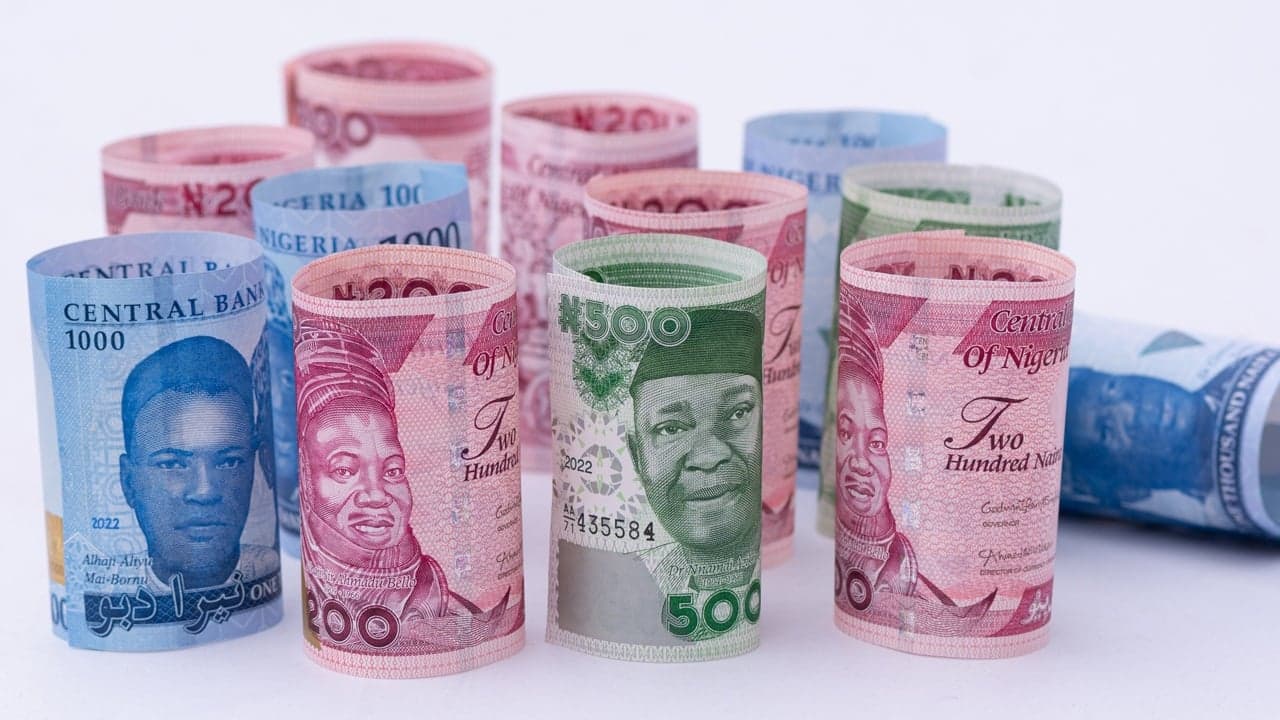
Devalued Naira: Opportunity for Private Sector
The currency reforms implemented by Bola Tinubu’s government since taking office in 2023 have made the naira “one of the most competitive in at least 20 years,” according to a senior World Bank official. Speaking at a Nigerian Economic Summit Group, World Bank chief economist Indermit Gill described the current exchange rate as a “great opportunity for the private sector.”
A report suggests that Tinubu’s decision to float the naira and remove fuel subsidies pulled Nigeria back from the brink of fiscal collapse. Before these reforms, the official exchange rate was below NGN500 per dollar, while the parallel market rate was closer to NGN900.
Since the devaluation, the naira has continued to depreciate against major currencies, exacerbating poverty levels. The resulting price hikes have raised concerns about potential civil unrest. Earlier this year, authorities responded to the rapid depreciation by cracking down on illegal foreign currency traders and global cryptocurrency exchanges.
Nigeria Urged to Maintain Current Course
Despite these measures, the naira has continued to decline, at one point becoming the worst-performing currency. While some observers have urged Tinubu’s government to abandon the floating exchange rate system, Gill advised maintaining the current course.
“This is only the beginning. Nigeria will need to stay the course for at least another 10 to 15 years to transform its economy. It is very difficult to do these things, but the rewards are massive,” Gill asserted.
The economist, however, urged the Nigerian government to take steps to protect the most vulnerable citizens by increasing short-term payments to poor households. He also called for the implementation of social safety nets funded with the billions saved from the removal of the fuel subsidy.
What are your thoughts on this story? Share your opinion in the comments section below.