The Nigerian currency, which has been depreciating against the U.S. dollar in the past few weeks, has completely erased its gains from early April, making it the worst-performing currency in the world. The decline of the naira is attributed to Nigeria’s ongoing foreign exchange shortages. One economist expects the pressure on the currency to peak in the second half of the year.
Nigerian Currency Becomes Worst-Performing After Erasing All Early April Gains

This article was published more than a year ago. Some information may no longer be current.
WRITTEN BY

SHARE
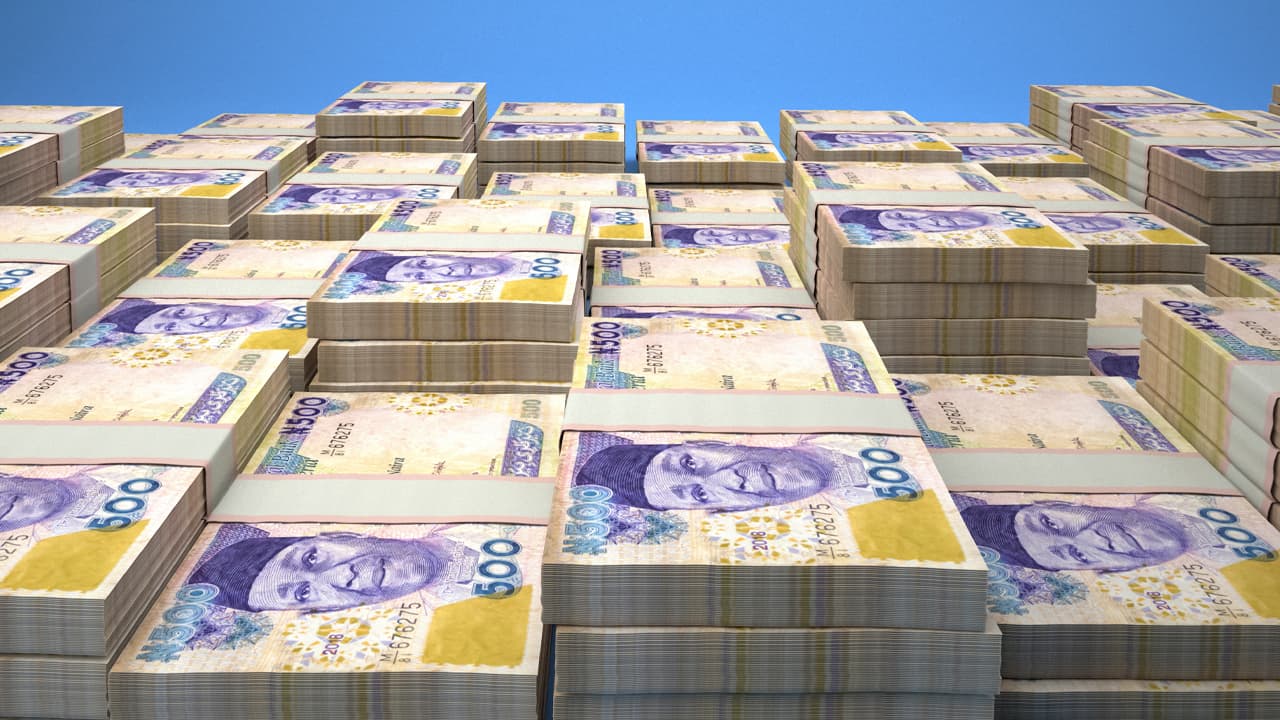
Naira Fluctuation Normal Says Economist
The Nigerian currency, which was briefly the best-performing currency in April, has now erased those gains to become the worst-performing currency, according to the latest Bloomberg report. The report states that the naira earned this distinction after it slipped to NGN1,466.31 per U.S. dollar for the first time since March 20.
Before the naira’s short-lived resurgence against the U.S. dollar, the currency had been in free fall, prompting Nigerian authorities to implement a series of measures aimed at halting its slide. Additionally, the Nigerian government began a crackdown on global crypto exchanges, accusing them of enabling currency manipulators.
While these measures initially appeared to be effective, subsequent reports suggested that the Central Bank of Nigeria (CBN) had used the country’s foreign exchange reserves to support the naira. However, shortly after the CBN was forced to deny these reports, the naira began to lose ground against the U.S. dollar. As previously reported by Bitcoin.com News, the naira had erased the gains made in early April within just two weeks.
Naira Expected to Depreciate Further in the Second Half of 2024
Meanwhile, the Bloomberg report quotes Razia Khan, the chief economist for Africa and the Middle East at Standard Chartered, explaining why the naira has fluctuated in the past month. “When the currency appreciated very fast, there had been a bout of profit taking by offshore investors, and this meant that dollar-naira exchange rate backed up again,” Khan said.
Although Khan describes the performance of the naira as standard, many believe the depreciation is likely to increase pressure to raise interest rates. In the meantime, Danelee Masia, a senior economist specializing in South Africa and Sub-Saharan Africa at Deutsche Bank, has warned that the naira is expected to decline further when the seasonal foreign exchange demand peaks in the third and fourth quarters.
Register your email here to get a weekly update on African news sent to your inbox:
What are your thoughts on this story? Let us know what you think in the comments section below.