The Nigerian central bank governor has refuted claims that the bank is using the country’s foreign exchange reserves to shore up the naira. The governor attributes the decline in reserves to debt repayments and other payments, which are made because they help to maintain Nigeria’s credibility.
Nigerian Central Bank Governor Denies Using Forex Reserves to Defend Local Currency

This article was published more than a year ago. Some information may no longer be current.
WRITTEN BY

SHARE
Maintaining Nigeria’s Credibility
Yemi Cardoso, governor of the Central Bank of Nigeria (CBN), has reportedly denied allegations that the bank is using the country’s foreign exchange reserves to support the local currency. Instead, Cardoso attributes the decline in the reserves to debt repayments and other payments which “are made because that is also part of keeping your [Nigeria’s] credibility intact.”
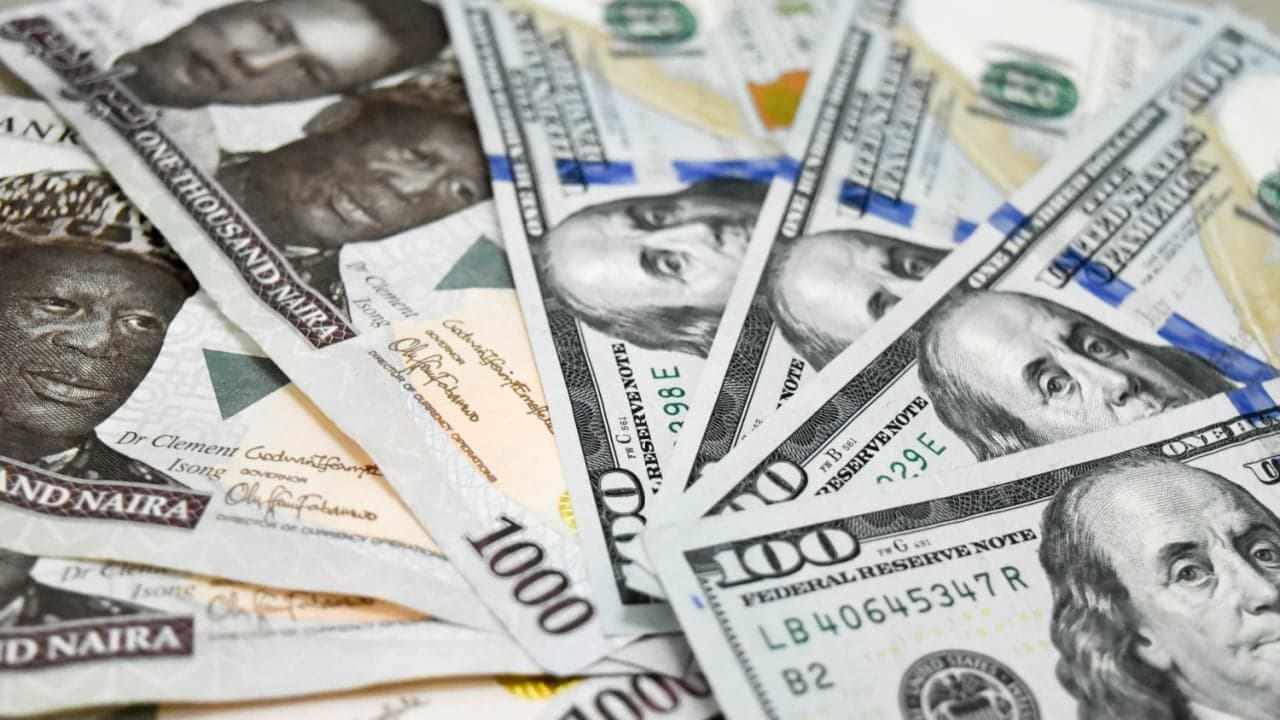
Speculation that the CBN has been using foreign exchange reserves to bolster the naira grew after it was revealed that Nigeria’s forex reserves had fallen from $34.45 billion on March 18 to $32.29 billion on April 15. This depletion of the reserves by more than $2 billion in just 29 days seemingly coincided with the naira’s best run against the U.S. dollar in recent years.
As reported by Bitcoin.com News, the naira, which has been appreciating since March, was recently named the best-performing currency in April. Some observers have attributed the currency’s turnaround to tweaks in the CBN’s monetary policy and the crackdown on perceived currency speculators and their enablers.
Willing-Buyer Willing-Seller Price Discovery
However, others insist that the naira’s appreciation from a low of 1,800 NGN to 1 USD seen in early March to around 1,000 NGN to 1 USD by mid-April only occurred after the CBN’s intervention. In response to these claims, Cardoso reiterated the bank’s new approach to exchange rate management which does not include defending the naira.
“If you think back to what our overall policy and philosophy has been here, you can see it is counterintuitive. Basically, what we are encouraging for the market is willing-buyer willing-seller price discovery. Ultimately, I perceive a future where the central bank will really not need to intervene except in very very unusual circumstances,” the CBN governor said.
Cardoso acknowledged that the central bank had recently intervened by selling foreign exchange to currency exchange offices at an exchange rate below the market rate at that time. However, the CBN governor claimed that the amount of U.S. dollars involved for this exercise was “small.”
Register your email here to get a weekly update on African news sent to your inbox:
What are your thoughts on this story? Let us know what you think in the comments section below.