The Saving Privacy Act, aimed at curbing federal surveillance of Americans’ financial data, is gaining momentum. Backers argue the government has overreached, violating privacy rights without effectively targeting criminals. Provisions include repealing key financial reporting laws and strengthening Fourth Amendment protections. Supporters highlight the need to protect personal financial data while enabling authorities to pursue criminals within constitutional limits.
New Privacy Bill Aims to End Government's Grip on Americans' Financial Data

This article was published more than a year ago. Some information may no longer be current.
WRITTEN BY

SHARE
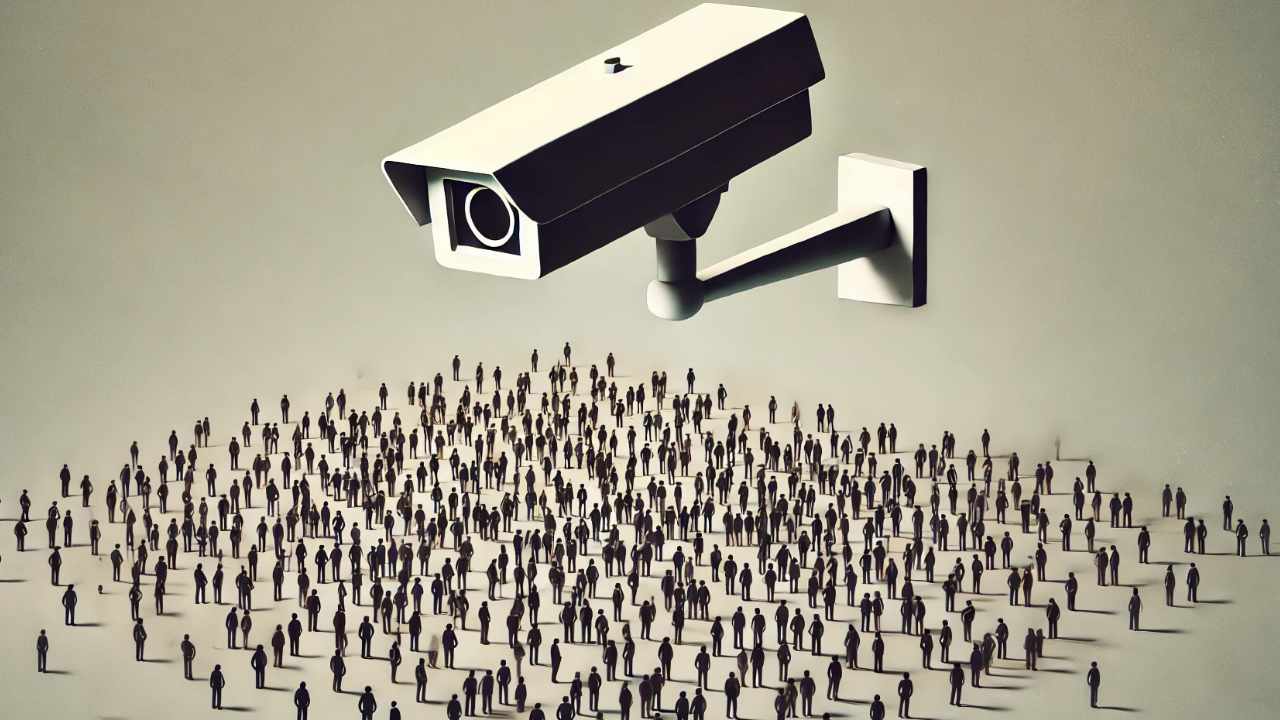
Saving Privacy Act Gains Support in Fight Against Financial Surveillance
The Saving Privacy Act has gained momentum with the backing of Senator Rick Scott (R-FL), who announced his support on Oct. 22 in Washington D.C. The bill, originally introduced by Senator Mike Lee (R-UT), aims to curb government overreach into Americans’ financial data, addressing what Scott called a “massive overreach” and a “gross violation” of privacy.
The senator from Florida described:
Big government has no place in law-abiding Americans’ personal finances. It is a massive overreach of the government and a gross violation of their privacy.
“That is why I am teaming up with Senator Lee so that we can protect Americans’ personal financials for good. Our Saving Privacy Act will allow federal agencies to go after criminals while also protecting innocent Americans’ data. This is commonsense legislation, and I am urging my colleagues to support its immediate passage,” he explained.
Lee, who introduced the bill on Sept. 25, reinforced the need for such legislation, highlighting the excessive surveillance of innocent Americans by federal agencies. He stated: “The federal government has no business surveilling the financial activities of millions of innocent Americans.” According to Lee, the current system undermines citizens’ privacy rights without effectively targeting financial criminals. His proposal, he said, would ensure that government agencies operate within constitutional limits while protecting personal financial data.
The bill has received support from various privacy advocates. Norbert Michel, Jennifer Schulp, and Nicholas Anthony of the Cato Institute praised the reform, stating that it “restores the proper balance — as provided by the Fourth Amendment — between Americans’ privacy rights and law enforcement’s ability to gather evidence.” Bryan Bashur from Americans for Tax Reform also expressed his approval, noting the importance of preserving financial privacy in the digital age. He stressed that passing the bill would prevent the federal government from easily accessing sensitive information, including stock trading and payment activity. Yaël Ossowski from the Consumer Choice Center added that the legislation would prevent banks from excessively monitoring their customers’ transactions for routine purchases, while still allowing authorities to target criminals.
The Saving Privacy Act seeks to address the aforementioned issues through several key provisions. It would repeal the Bank Secrecy Act’s reporting requirements while maintaining essential recordkeeping. The bill also calls for the repeal of the Corporate Transparency Act and the Consolidated Audit Trail (CAT) database created by the Securities and Exchange Commission (SEC). Furthermore, the legislation strengthens Fourth Amendment protections by requiring stricter warrant requirements under the Right to Financial Privacy Act and prohibits the creation of a central bank digital currency ( CBDC). Finally, it introduces penalties for federal employees who misuse financial data and provides legal recourse for individuals harmed by illicit government actions.