The meme token moo deng (MOODENG), themed around a charming baby pygmy hippopotamus from Thailand’s Khao Kheow Open Zoo, kicked off the week with an impressive 46.9% gain on Monday. As of this writing, the token is trading at $0.537 per unit, inching closer to its highest recorded price.
MOODENG Mania: Meme Token Surges Toward Record Prices Amid Coinbase Listing Buzz

This article was published more than a month ago. Some information may no longer be current.
WRITTEN BY

SHARE
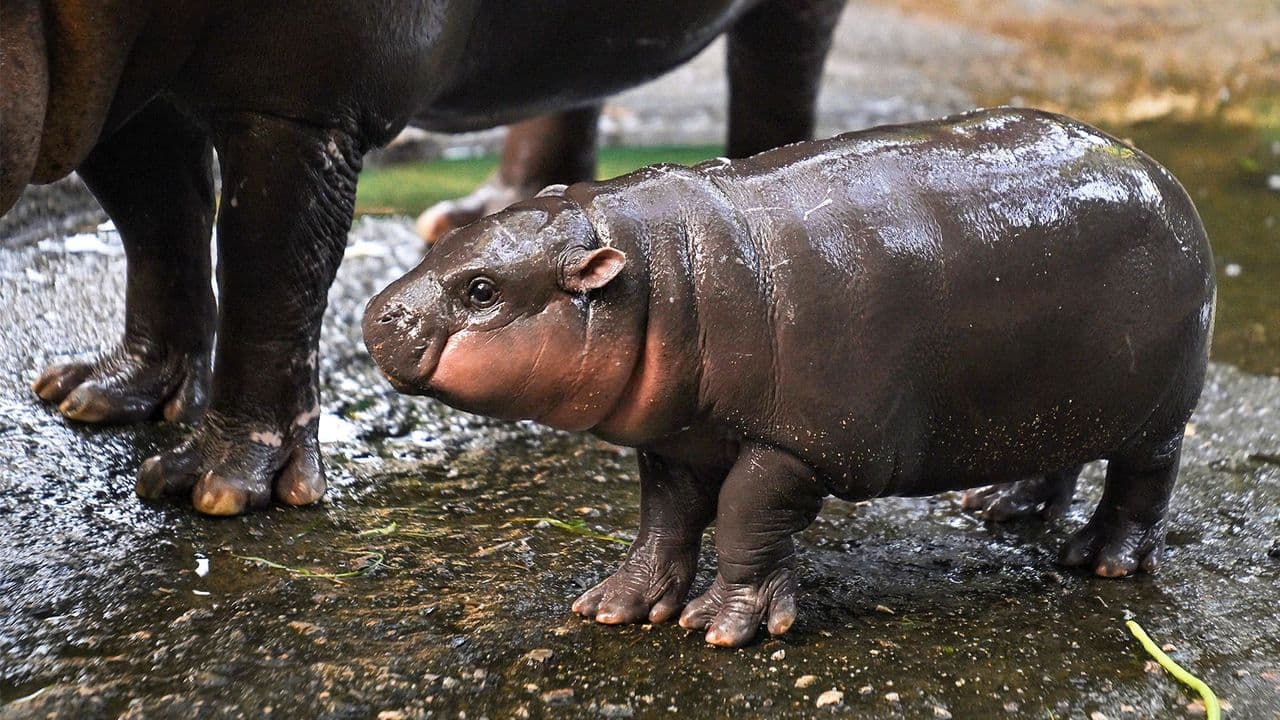
Baby Hippo-Inspired MOODENG Charges Ahead, Climbing Nearly 3,400% in 2 Months
Just over two weeks ago, on Nov. 15, MOODENG hit $0.6804, leaving it roughly 20% shy of setting a new record. To put this growth into perspective, MOODENG was priced at just $0.01545 on Sept. 20, marking an extraordinary increase of nearly 3,400% over two months. Currently, its market capitalization sits at $527 million, ranking it as the 198th largest cryptocurrency by market value.
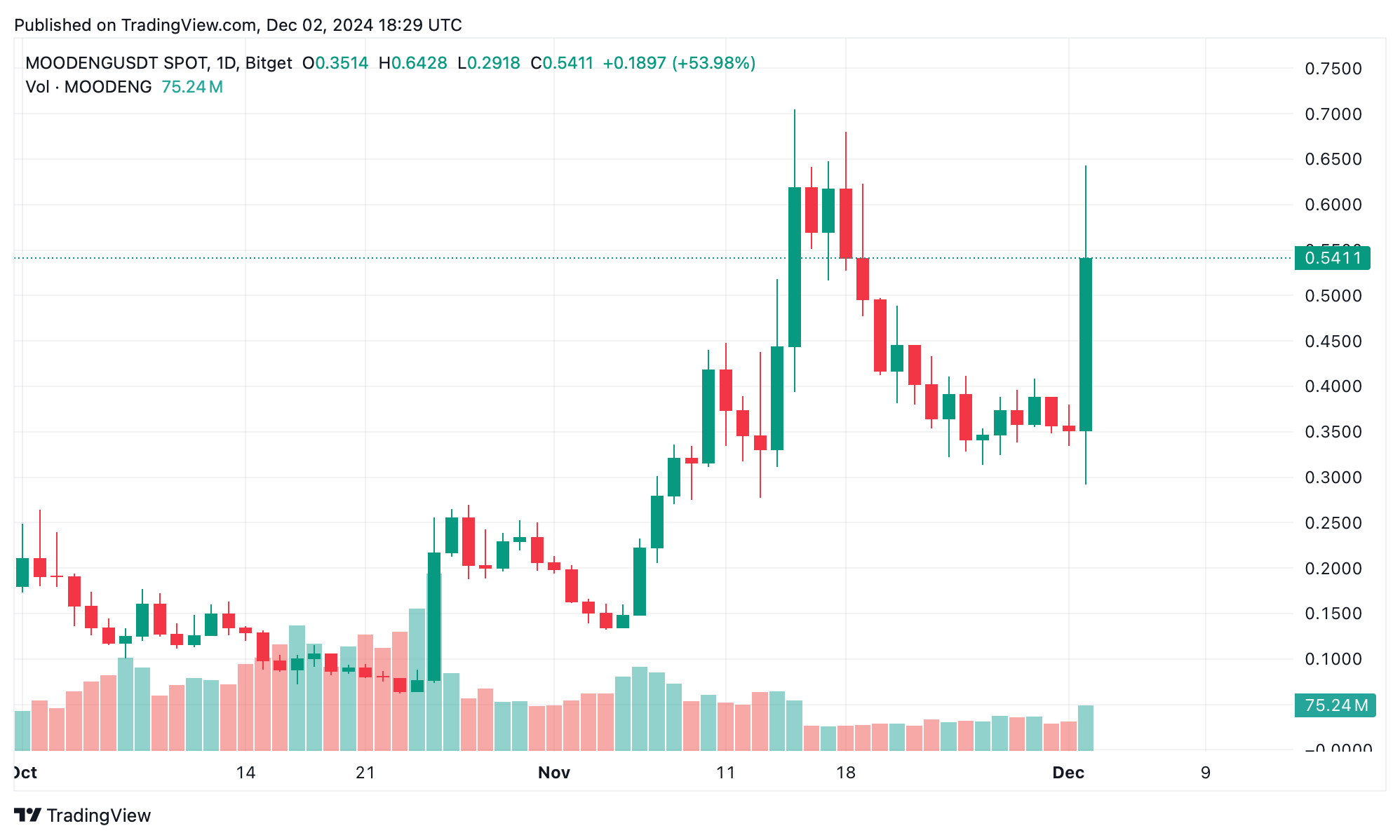
Operating on the Solana blockchain, MOODENG has a circulating supply of 989,971,791 tokens. While a significant portion of its trading volume involves tether ( USDT), the euro (EUR) is also a notable player in MOODENG transactions. A key factor fueling this rise is Coinbase’s recent announcement that it plans to list the token on its platform soon.
The sharp ascent of MOODENG reflects the growing interest in niche meme tokens, particularly those with unique narratives and cultural ties. As its price nears its all-time high, MOODENG’s recent momentum highlights the role of exchange listings, like Coinbase’s announcement, in driving demand. The token’s performance highlights the potential impact of blockchain innovations paired with relatable, feel-good themes.
The sustained gains of MOODENG also emphasize the unpredictable allure of meme tokens in the cryptocurrency market in 2024. While its growth trajectory is impressive, it serves as a reminder of the speculative nature of these assets. Investors and traders will likely watch closely to see if MOODENG can maintain its upward trend or if the hype fades as market dynamics evolve.