


Bitdeer has secured another 65.1 megawatts of AI data-center capacity in Malaysia, taking its committed AI Cloud footprint to about 206.5 MW. The expansion underscores how bitcoin miners are increasingly using their power infrastructure to chase potentially larger and more predictable AI revenues.
Bitcoin Miner Bitdeer Adds 65.1MW for Nvidia AI as Pipeline Hits $7B
WRITTEN BY

SHARE
Key Takeaways
- Bitdeer added 65.1 MW in Malaysia, lifting secured AI Cloud capacity to 206.5 MW.
- The shift shows bitcoin miners chasing steadier AI revenue from existing power infrastructure.
- Bitdeer targets 350 MW by Q1 2028 as its AI Cloud pipeline tops $7B.
Bitdeer Adds 65.1 MW in Malaysia as AI Expansion Accelerates
Bitdeer is pushing deeper into artificial intelligence infrastructure, adding its largest single AI Cloud capacity expansion to date in Southeast Asia.
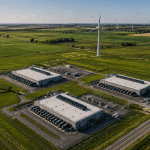
The bitcoin miner and data-center operator signed a 10-year agreement for a 65.1 MW facility, known as A202, at its existing Johor Bahru campus in Malaysia. Energization is expected in the third quarter of 2027.
The new site lifts Bitdeer AI’s secured capacity to roughly 206.5 MW across Malaysia, Norway and the U.S. That represents about 59% of its 350 MW target for the first quarter of 2028.
More importantly, Bitdeer says its active AI Cloud pipeline now exceeds $7 billion in potential contract value.
Bitcoin Infrastructure Is Becoming AI Infrastructure
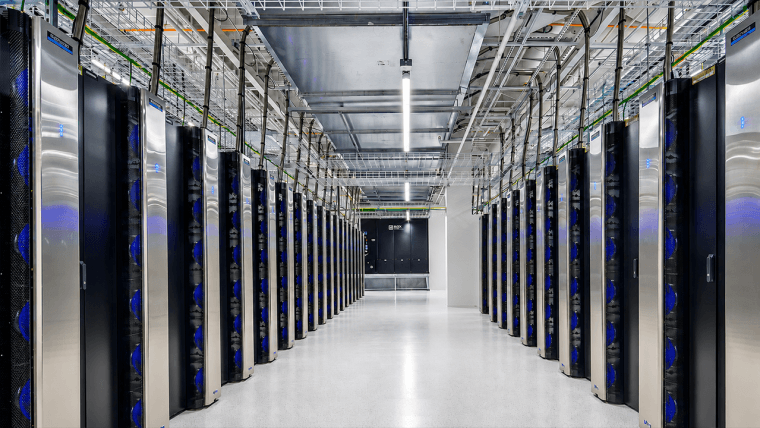
A202 will sit alongside Bitdeer’s 21.7 MW A201 facility, giving the Johor campus a combined 86.8 MW of AI capacity. The site is being designed for liquid-cooled, rack-scale Nvidia systems, including GB300 NVL72 and Vera Rubin platforms. It can support both GPU cloud services and data hosting.
For Bitdeer, the attraction is straightforward: infrastructure originally built around power-intensive crypto operations can be repurposed for another market where electricity, cooling and data-center access are scarce.
“Demand for liquid-cooled, rack-scale AI Cloud capacity in 2027 is running well ahead of what the market can supply,” CFO Michael G. Potter said.
That puts Bitdeer squarely in a broader industry trend. Bitcoin miners are increasingly trying to monetize their power portfolios through AI and high-performance computing, rather than relying solely on bitcoin price cycles.
The Economics Could Be Much Larger Than Mining
Bitdeer expects A202’s per-megawatt economics to be broadly similar to its A102 facility, where 9.5 MW of capacity is tied to more than $800 million in expected revenue over five years.
The company also plans to use customer prepayments to cover more than half of GPU-related capital expenditure where possible, reducing the amount of upfront financing it must provide. A201 is already in advanced negotiations, according to Bitdeer, while A102 sold out ahead of energization.
Those figures help explain why miners are pursuing AI aggressively. Bitcoin mining revenue remains highly exposed to network difficulty and crypto market prices. Long-term AI contracts can offer a different profile: contracted cash flows and potentially higher revenue density per megawatt.
Bitdeer Is Still Mining Bitcoin
The shift is not an exit from bitcoin.
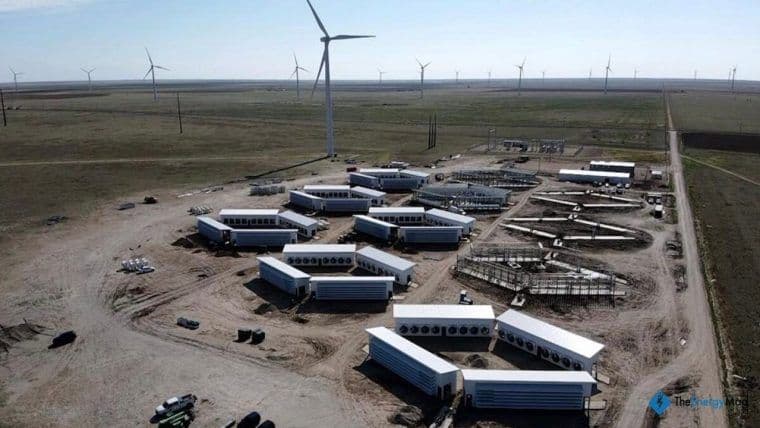
Bitdeer mined 990 BTC in June, up 7.5% month over month, while continuing to deploy proprietary mining machines. In August, it also committed about 1.93 EH/s of bitcoin mining capacity to a 28 MW wind-powered co-mining project in Texas.
The strategy is increasingly dual-track.
Bitdeer is still building bitcoin production, but its AI business is becoming too large to view as a side bet. If the $7 billion pipeline converts into contracts, the company may ultimately be valued less like a pure crypto miner and more like a hybrid digital-infrastructure operator.
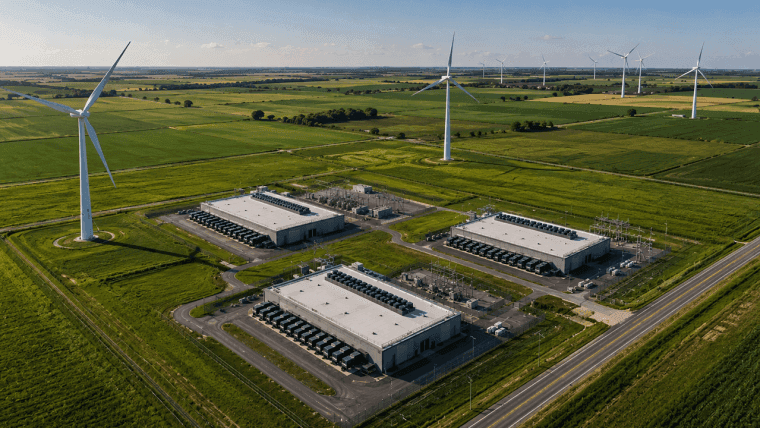
Bitdeer Technologies Group is dropping roughly 1.93 exahash per second (EH/s) of bitcoin mining capacity into a 28-megawatt co-mining deal…
Read Now: Bitdeer Cranks up Bitcoin Mining Power While Rivals Stampede Into AI