


Inflation is not a natural phenomenon but a consequence of government actions. Milton Friedman famously argued that only the government can create inflation, and misguided policies, like price controls, worsen the problem.
Milton Friedman on Inflation: A Government-Made Disaster

This article was published more than a year ago. Some information may no longer be current.
WRITTEN BY

SHARE
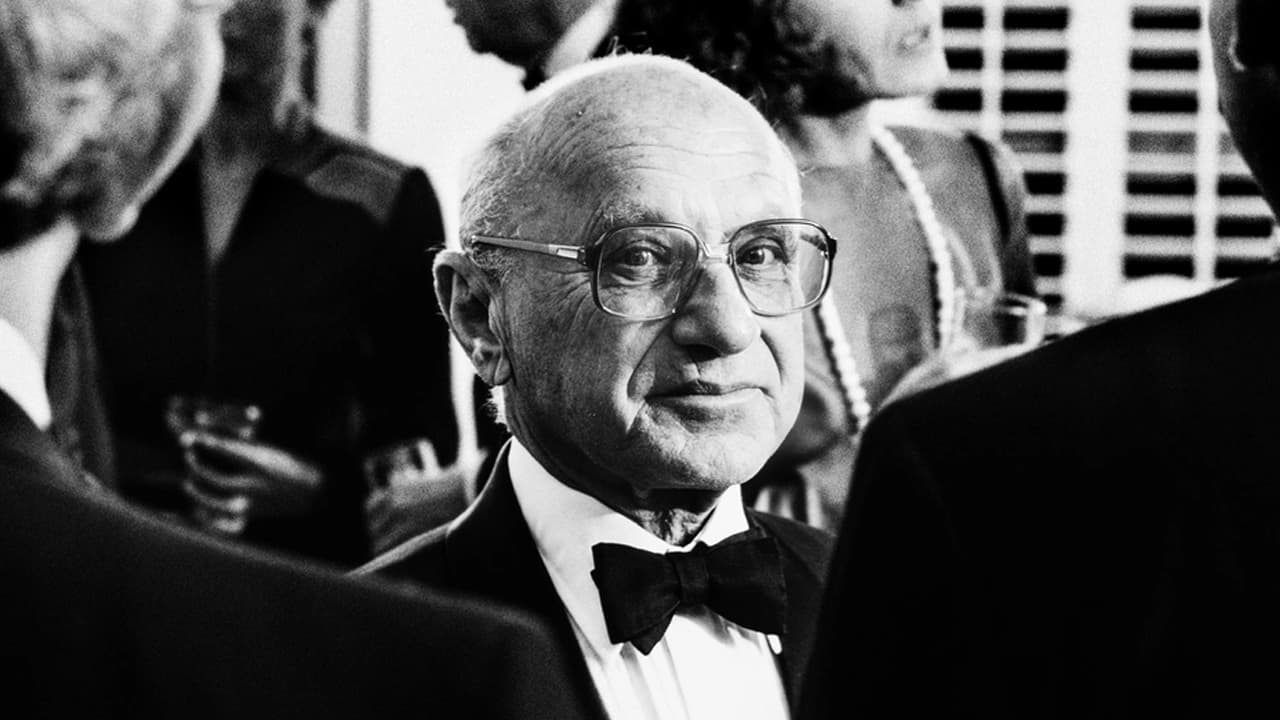
Friedman Famously Said: ‘Inflation Is Made by Government and No One Else’
Milton Friedman, a leading figure in economics, repeatedly emphasized that inflation is a result of government policies, particularly the creation of money without corresponding production increases. Inflation occurs when the government increases the money supply, devaluing the currency and causing prices to rise across the board. According to Friedman, “Inflation is always and everywhere a monetary phenomenon,” a direct outcome of government mismanagement.
“Inflation is made by Government and no one else,” Friedman said in September 1974 during a keynote speech. “Of course, no Government likes to accept responsibilities. . . responsibility for its own defects, so Governments of course blame greedy businessmen, grasping trade unionists, and spend-thrift consumers. No doubt businessmen are greedy; no doubt trade unionists are grasping; and everyone knows that housewives are spendthrifts, but neither the greedy businessmen nor the grasping trade unionists nor the spendthrift housewives produce inflation.”
The economist added:
The reason they do not produce inflation is because none of them has access to a printing press on which he can turn out those lovely, or some people think not so lovely, pieces of paper with which you purchase goods and services.
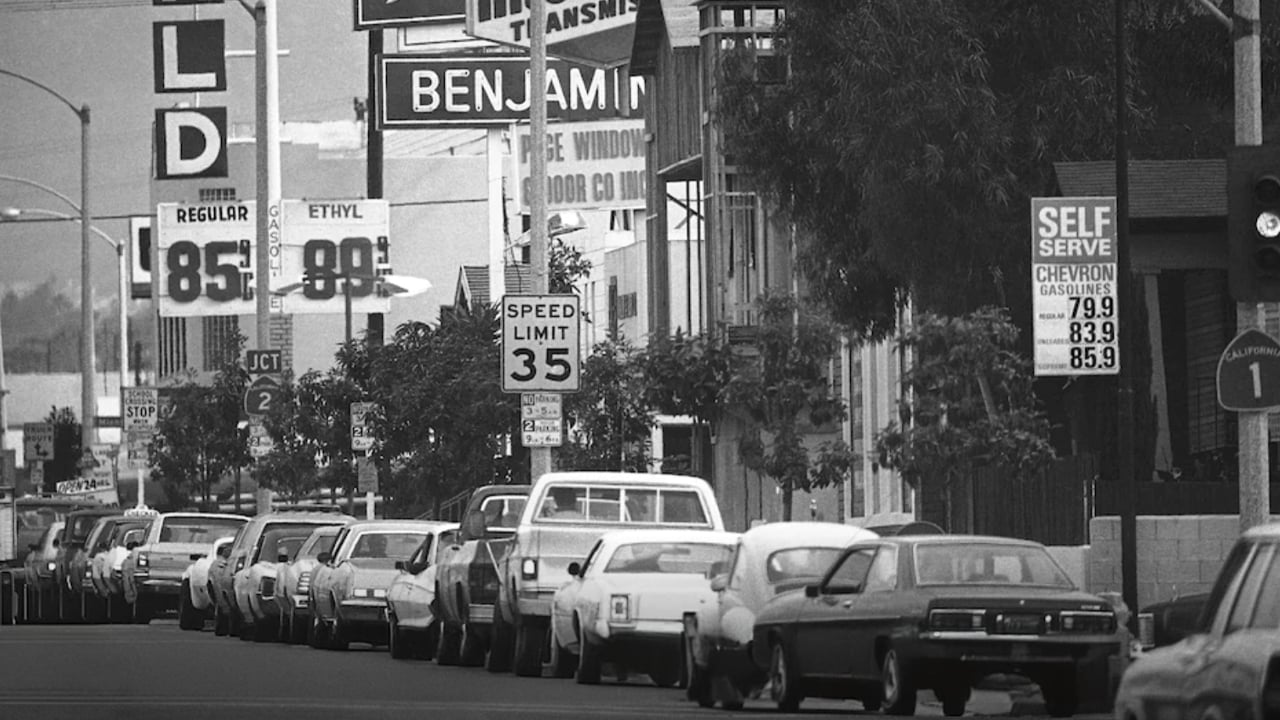
Price controls, a popular socialist idea but misguided policy, only exacerbate the issue. Vice President Kamala Harris’s proposal to enforce price controls as a solution to inflation is bound to fail, according to Friedman’s teachings. He pointed out that when the government imposes price ceilings, it leads to shortages because producers cannot sell at profitable prices, thereby reducing supply. This was evident in the 1970s when the U.S. government tried to control oil prices, leading to long gas lines and scarcity.
In 1966, in an address called “How Not to Stop Inflation,” Friedman highlighted the catastrophic effects of price controls in socialist countries, where such measures contributed to hyperinflation and severe shortages. In countries like Venezuela, government interference in the economy through price controls and money printing led to economic collapse. These nations serve as cautionary tales that such policies lead to more harm than good, particularly for the most vulnerable populations.
Friedman stated during his address:
If inflation is always a consequence of an increase in the quantity of money, the responsibility for inflation is always governmental.
Moreover, Friedman argued that the free market is the best mechanism to set prices. When prices are allowed to adjust according to supply and demand, they provide signals to both producers and consumers, ensuring resources are allocated efficiently. Government-imposed price controls disrupt this natural process, leading to inefficiencies, misallocation of resources, and ultimately, economic downturns.
In conclusion, as Friedman’s economic theories illustrate, inflation is created by the government, and attempts to control prices are futile and counterproductive. If implemented, Harris’s proposed price controls could lead the U.S. down a path of economic instability, marked by shortages and inefficiencies, similar to what has been witnessed in other nations that pursued similar policies. The solution lies not in controlling prices but in controlling the government’s role in the economy.
What do you think about Friedman’s economic theories? Let us know what you think about this subject in the comments section below.
Bitcoin.com News is seeking a News Writer to produce daily content on cryptocurrency, blockchain, and the digital currency ecosystem. If you are interested in becoming a key member of our innovative global team, apply here.