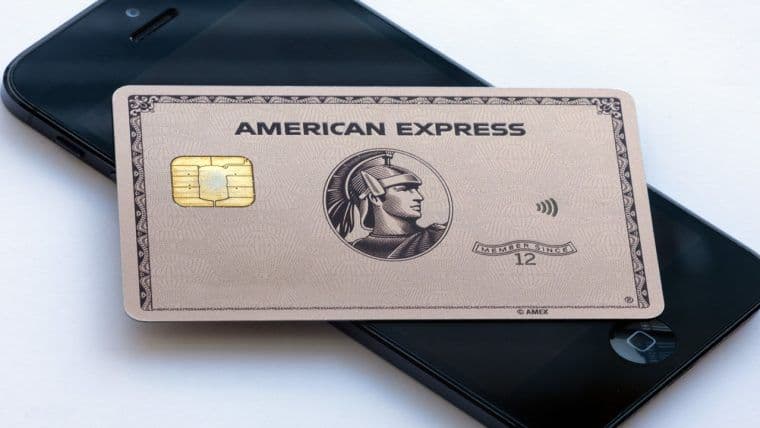



Mastercard is expanding its global settlement network to include regulated stablecoins, intraday options, and weekend and holiday processing, giving card issuers and acquirers new tools to manage liquidity beyond traditional banking hours.
Mastercard Opens Stablecoin Settlement to 6 Partners Across USDC, RLUSD and PYUSD
WRITTEN BY

SHARE
Key Takeaways
- Mastercard adds USDC, RLUSD, PYUSD, and three other stablecoins to its global card settlement network across 8 blockchains.
- ARQ, Cross River, Lead Bank, Nuvei, and CBW Bank are the first to activate stablecoin settlement in the U.S. and Latin America.
- Rollout expands through 2026, with additional regions, partners, and regulated stablecoins expected on the Mastercard network.
What Mastercard Is Enabling
The payments giant announced plans to support onchain card settlement using stablecoins alongside existing fiat processes. Partners will be able to settle transactions through the same global infrastructure they use today, with the addition of digital asset rails running concurrently.
Supported stablecoins include Circle’s USDC, Paxos-issued PYUSD, USDG and USDP, Ripple’s RLUSD, and SoFi’s SoFiUSD. Those stablecoins will operate across eight blockchain networks: Arbitrum, Base, Canton, Ethereum, Polygon, Solana, Tempo, and XRPL.
Early Partners in the U.S. and Latin America
ARQ, CBW Bank, Cross River, Lead Bank, and Nuvei are expected to be among the first to activate stablecoin settlement optionality in the United States and Latin America, with broader expansion planned through the rest of 2026.
ARQ co-founder and COO Álvaro Correa said stablecoins have been core to the company’s infrastructure from day one, framing the partnership as a step toward building financial infrastructure across the Americas.
Lead Bank CEO Jackie Reses called the move foundational. “At Lead, we believe the future of financial infrastructure is 24/7, and onchain settlement is where that future becomes real,” she said.
What the Partners Are Saying
Circle chief commercial officer Kash Razzaghi said demand is growing for payment infrastructure that operates beyond traditional banking hours, and that USDC is already supporting early onchain settlement flows in select markets.
Cross River’s head of onchain finance, Luca Cosentino, said Mastercard’s decision validates the direction his firm has been building toward, describing it as digital asset rails operating alongside traditional payments infrastructure.
Ripple SVP Jack McDonald called the announcement a validation that blockchain is ready for critical payment infrastructure, adding that RLUSD’s inclusion reflects growing institutional demand for regulated stablecoins on public blockchains like the XRP Ledger.
How It Works Within Existing Infrastructure
Mastercard is positioning this as a network-level enhancement rather than a replacement for existing processes. Issuers and acquirers access both traditional and digital asset-based settlement through the same global infrastructure, with existing security standards, fraud safeguards, and dispute processes preserved.
Raj Dhamodharan, Mastercard’s executive vice president of blockchain and digital assets, said the expansion is aimed at helping partners operate in an always-on economy. “By introducing intraday and weekend on settlement options across our global network, we’re expanding how partners manage liquidity,” he said.
Rollout Timeline
The expanded capabilities will continue rolling out globally, subject to local regulation, with additional regions, partners, and stablecoins expected to be added over time. The announcement builds on earlier pilots and live deployments already underway.
For issuers and acquirers, the practical impact is direct: more flexibility in when transactions settle, greater transparency in cross-border flows, and access to regulated stablecoin rails without changing core operating models.