U.S. stocks edged higher Friday following remarks from the White House indicating the Trump administration’s confidence in securing a trade agreement with China. On the same day, Susan Collins, the president and CEO of the Federal Reserve Bank of Boston, stated that the central bank stands ready to implement measures aimed at steadying financial markets.
Markets Gain Ground on US-China Trade Deal Hopes and Fed Reassurances

This article was published more than a month ago. Some information may no longer be current.
WRITTEN BY

SHARE
Fed Stands Ready as Leverage Unwinds and Trump Temporarily Stills the Storm
Donald Trump has expressed strong confidence in the possibility of reaching an agreement with China. Speaking to reporters on Friday, White House press secretary Karoline Leavitt emphasized the president’s eagerness to negotiate. “The president has made it very clear he’s open to a deal with China,” Leavitt stated. She continued, “If China continues to retaliate, it’s not good for China,” reinforcing the administration’s stance.
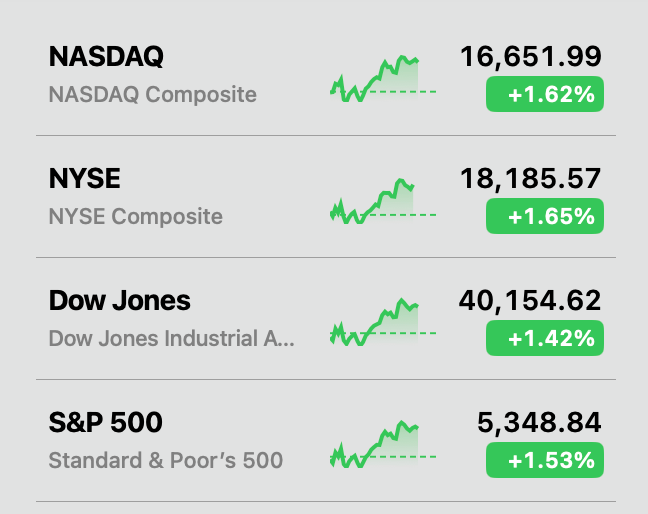
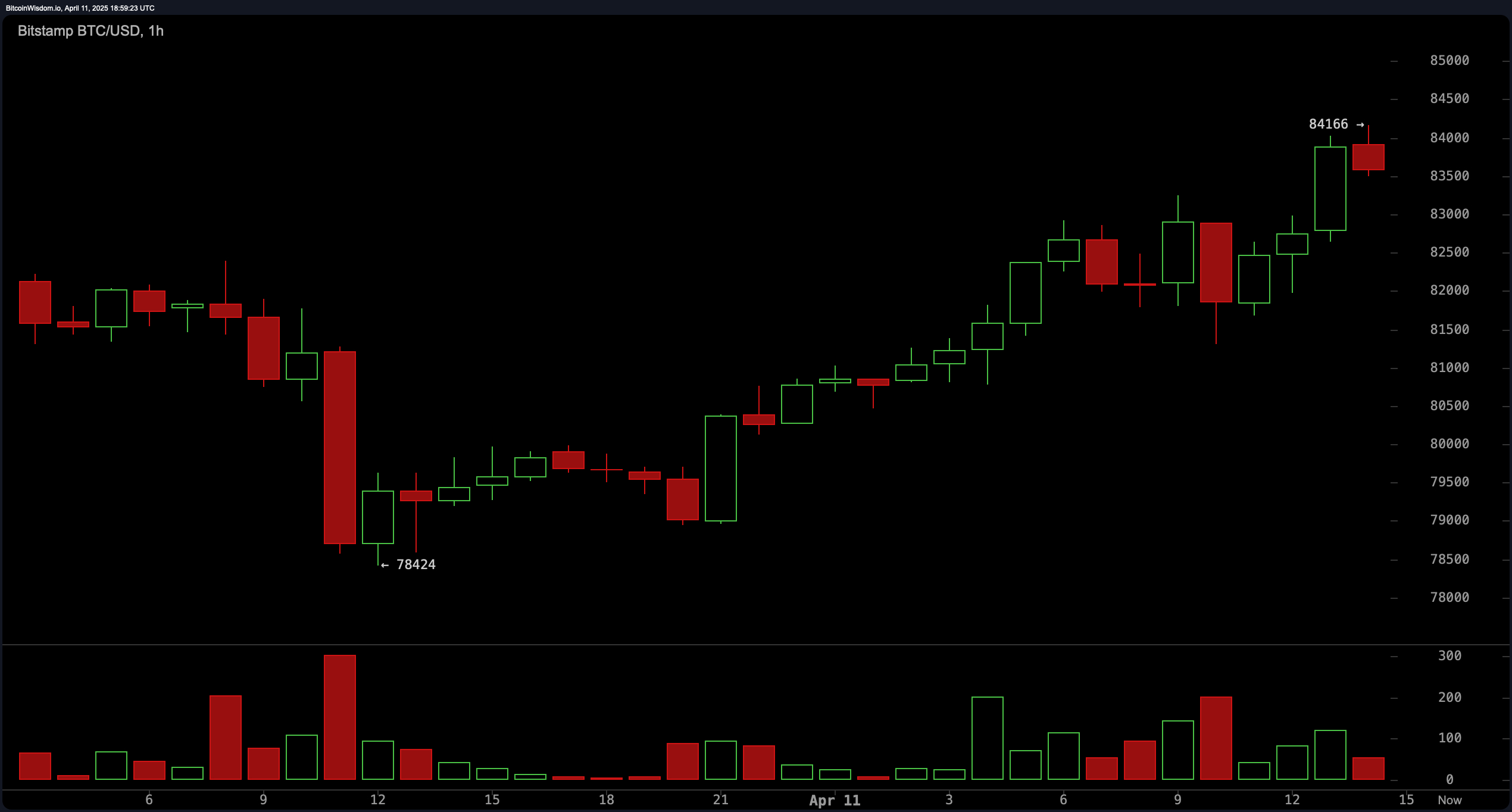
The statement arrives as Wall Street experienced a measure of relief Friday, with the Dow Jones, S&P 500, Nasdaq, NYSE, and Russell 2000 all posting gains. The crypto market advanced by 4.63%, while BTC broke past the $84K threshold. Gold also held its ground firmly, registering a 2% gain over 24 hours to reach $3,237 per ounce. At the same time, a report from the Financial Times revealed that Susan Collins, president of the Boston Federal Reserve, affirmed the Fed will “absolutely” assist markets if conditions demand it.
Collins emphasized that the U.S. central bank undoubtedly possesses “tools to address concerns about market functioning or liquidity should they arise.” When questioned by the FT about the likelihood of intervention akin to prior instances, she affirmed the Fed would “absolutely be prepared to do that as needed.” Earlier this week, the Treasury market faced considerable disarray, yet the central bank remained on the sidelines—thanks, for now, to Trump’s timely action.
Prior to President Trump’s announcement of a 90-day pause on most reciprocal tariffs, the bond market was experiencing significant turmoil, with leveraged traders facing substantial losses. Rising bond yields, which reflect falling bond prices, signaled massive distress in financial markets. A cohort of analysts attributed the instability to the “basis trade,” a strategy where hedge funds borrow heavily to exploit small price differences between Treasury bonds and derivatives.
When bond prices unexpectedly fluctuated, these traders incurred major losses and faced margin calls, forcing them to liquidate assets, further depressing prices. While Trump’s tariff pause led to a rebound in risk assets like stocks and cryptocurrencies, the preceding volatility highlighted the fragility of leveraged positions in the bond market. A growing number of economists and analysts contend that it’s merely a question of when—not if—the U.S. central bank will be compelled to intervene, as many view such action as unavoidable.