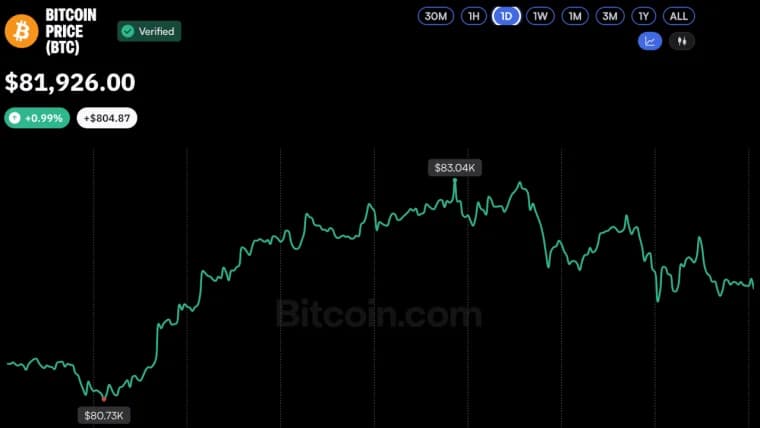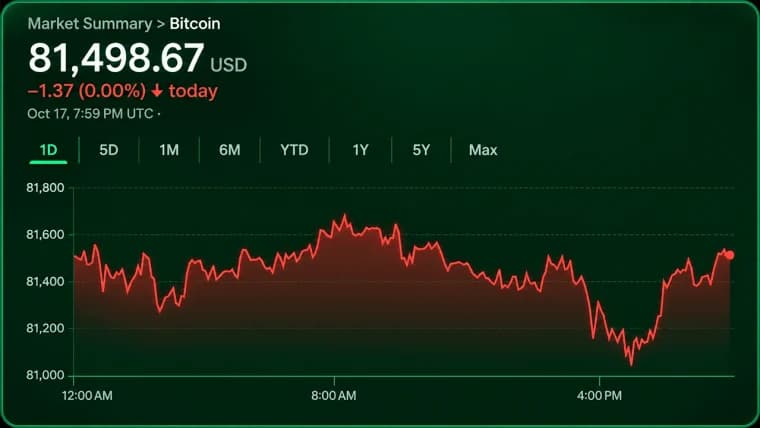



Bitcoin briefly spiked to $79,837 following the release of August CPI data that matched projections, but volatile intraday trading triggered over $732 million in crypto liquidations.
Bitcoin Price Spikes Near $80K as CPI Matches Forecasts

This article was published more than a month ago. Some information may no longer be current.
WRITTEN BY

SHARE
Key Takeaways
- Bitcoin spiked to $79,837 on Friday after BLS reported August CPI data matching economists’ projections.
- Severe price swings triggered over $732M in total crypto liquidations, with shorts taking $424M in losses.
- Prediction market odds for a Fed rate hike rose to 82%, while Ray Dalio warned of stagflation risks.
Volatile Trading Triggers $732M in Liquidations
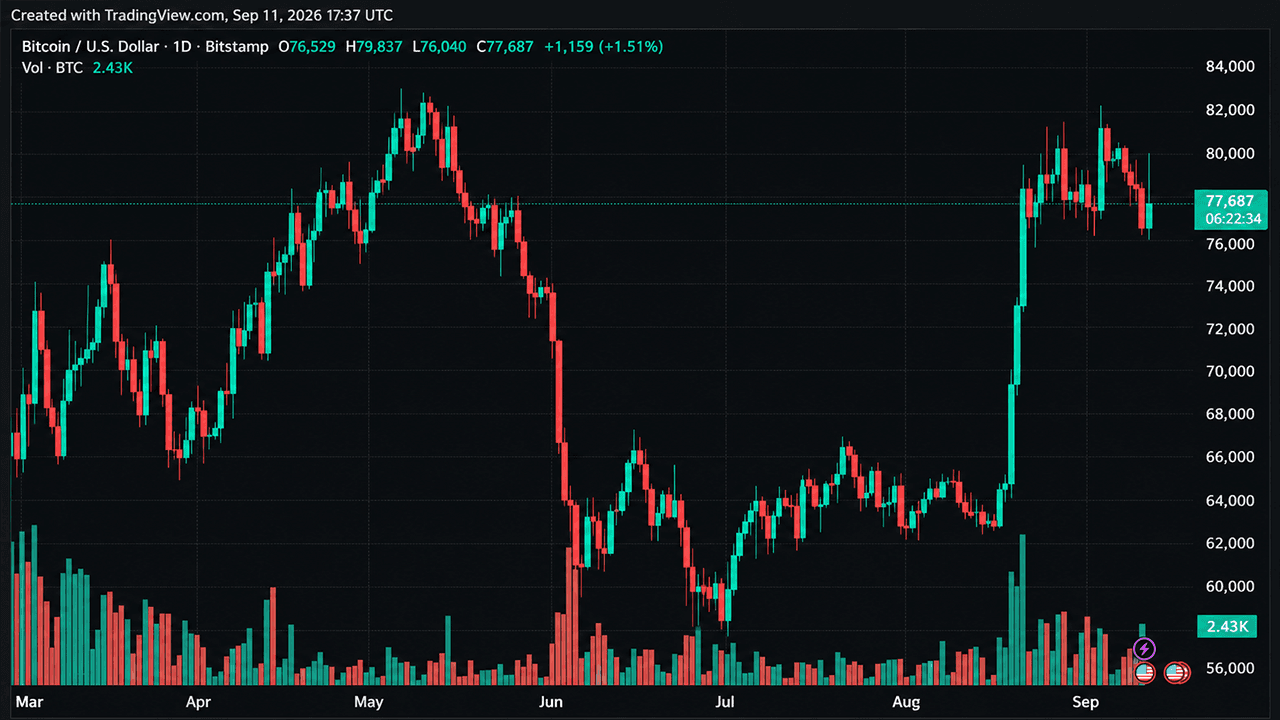
Bitcoin briefly reclaimed $79,000 Friday after the U.S. Bureau of Labor Statistics released August Consumer Price Index (CPI) data that aligned with economists’ projections. Bitstamp data showed the cryptocurrency surged to $79,837 as the sudden spike put Bitcoin on course to breach $80,000.
Before the surge, the top cryptocurrency was reeling from bearish sentiment sparked by the release of hotter-than-expected Producer Price Index data less than 24 hours earlier. As reported by Bitcoin.com News, the bitcoin price slid to a one-week low of $76,651 from just over $78,000 soon after the data release, before rising to settle above $77,000.
The price continued to fluctuate around that threshold until 8:30 a.m. EST, when a flash crash sent the cryptocurrency tumbling to $76,040. An equally rapid surge sent it to $78,000 before a subsequent rally pushed it past $79,800 by midmorning. After consolidating above $78,500, another wave of selling sent it to $77,300.
At 12:07 p.m. EST, it hovered above $77,800, leaving bitcoin with a daily gain of 1% and a market capitalization near $1.57 trillion.
Meanwhile, the cryptocurrency’s seesaw price action in the last 24 hours left long and short traders equally battered. Coinglass data showed long position liquidations topped $104 million, compared to $100 million in shorts. Overall, liquidations across the cryptocurrency market topped $732 million, with wiped-out short bets reaching $424 million.
Despite the CPI matching expectations, bettors on prediction markets immediately raised the odds of the Federal Reserve increasing interest rates by 25 basis points to 82%. Commenting on the data, economist Peter Schiff said:
“This should all but ensure a hike. If so, the odds of a second hike in Dec have risen to 74.2%. This knee-jerk rally in markets likely won’t last, especially since the rate hikes won’t be enough to lower inflation.”
Another economist, Robin Brooks, said the firm CPI print makes a hike unavoidable if the U.S. government’s key goal is to keep borrowing costs from rising out of control.
Ray Dalio Warns of Stagflationary Pressures
Billionaire Ray Dalio also weighed in, stating that while the U.S. is trying to hold short-term rates down, long-term rates are climbing—a trend he said is already evident. Dalio also pointed to the weakening dollar and movements in gold.
“As rates rise, it starts to affect the stock market. With bonds dropping and stocks rising, the prospective returns of stocks are now low compared to bonds, translating into broader stock market pressure,” Dalio explained in a post on X.
According to Dalio, this dynamic creates a stagflationary environment that the Federal Reserve struggles to manage. With stagflation, the Fed wrestles with whether to tighten or ease. “In an economy with vast wealth disparity, the financial impact differs drastically depending on whether you own stocks, which carries huge political implications,” Dalio said.
While the long-term thesis is structural, Dalio’s short-term warning about rising rates and stock market pressure highlights a key drag on bitcoin’s price performance. For instance, when real interest rates rise or stay “higher for longer,” capital tends to leave high-risk speculative assets. Because institutional capital still treats bitcoin as a high-volatility risk asset, rising yields will hit bitcoin alongside tech stocks.
On the other hand, if the Federal Reserve tightens into stagflation, market liquidity dries up. Flash crashes and leverage liquidations will occur because macro traders sell liquid assets to raise cash during margin calls.
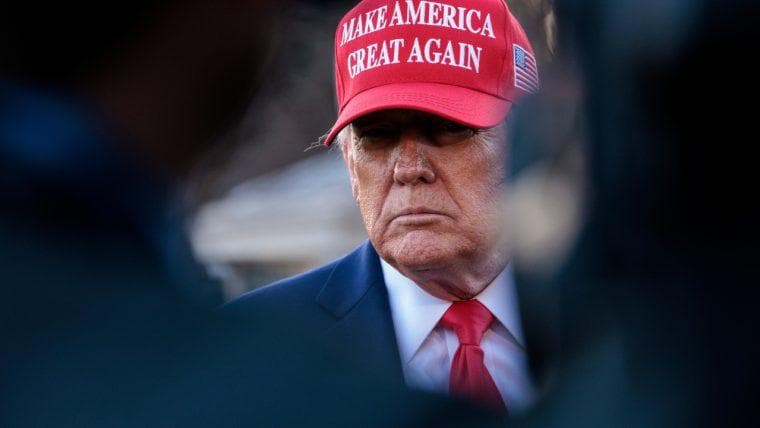
Bitcoin's price held steady between $77,650 to $78,000 even as President Donald Trump offers $5,000 dividend checks to American adults…
Read Now: Trump’s $5,000 Dividend Plan Fails to Move Bitcoin’s Price Past $78K