Lombard unveils Bitcoin Smart Accounts to recognize custodied BTC as onchain collateral, enabling decentralized finance ( DeFi) access without moving custody.
Lombard Launches Bitcoin Smart Accounts Linking Custody to DeFi
WRITTEN BY

SHARE

Lombard announces Bitcoin Smart Accounts, a rail that lets BTC held in qualified custody, multi‑party computation (MPC) or self‑custody be used as onchain collateral across whitelisted protocols like lending network Morpho, while legal title and custody remain unchanged; pilots are live with select custodian clients and public availability is expected in Q1 2026.
The product preserves custody integrity—no transfer of title, no rehypothecation—and issues a receipt token ( BTC.b) to enable borrowing, yield and real‑time position management; Lombard says the custody‑agnostic rail could unlock access to hundreds of billions of dollars of custodied bitcoin and will expand custodians and protocols through 2026.
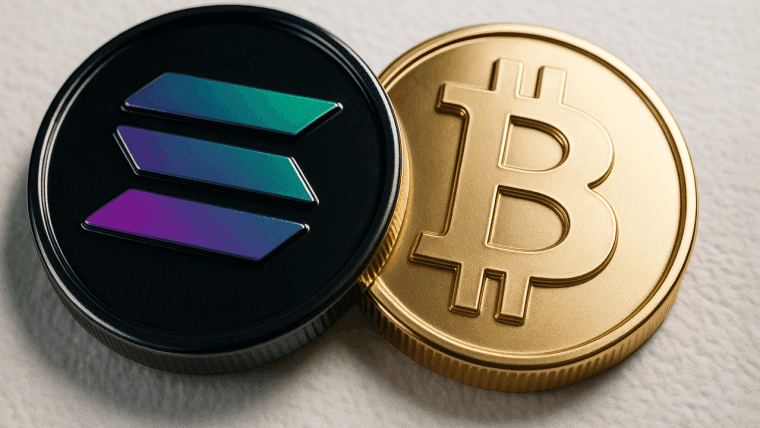
Lombard Introduces Native Bitcoin Yield to Solana’s DeFi Ecosystem
Lombard Finance has launched its yield-bearing bitcoin token, LBTC, on the Solana blockchain, introducing the yield-generating BTC asset to the…
Read Now

Lombard Introduces Native Bitcoin Yield to Solana’s DeFi Ecosystem
Lombard Finance has launched its yield-bearing bitcoin token, LBTC, on the Solana blockchain, introducing the yield-generating BTC asset to the…
Read NowLombard Introduces Native Bitcoin Yield to Solana’s DeFi Ecosystem
Read NowLombard Finance has launched its yield-bearing bitcoin token, LBTC, on the Solana blockchain, introducing the yield-generating BTC asset to the…
🧭 FAQs
• What are Bitcoin Smart Accounts and where are they available? Bitcoin Smart Accounts let institutional BTC held in qualified custody or self‑custody access DeFi, currently piloting with select custodians globally.
• How does Lombard preserve custody for local clients? BTC never leaves the holder’s custody and full legal title and beneficial ownership remain intact in the client’s custody jurisdiction.
• Which onchain infrastructure partners support the service? Lombard integrates lending infrastructure Morpho and plans broader protocol and custodian partnerships across jurisdictions.
• When can institutions in local markets access Bitcoin Smart Accounts? Bitcoin Smart Accounts are in pilot now with public availability expected in Q1 2026, subject to custodian onboarding and jurisdictional requirements.