Welcome to Latam Insights, a compendium of Latin America’s most relevant crypto and economic news from the past week. In this issue, a public records inquiry reveals contradictions in the reported results for ‘Adopting El Salvador,’ Brazil mulls taxing stablecoin remittances, and a Bolivian bank offers USDT services for the first time.
Latam Insights: Salvadoran Bitcoin Visa Program Fails; Brazil Floats Tax on Stablecoin Remittances

This article was published more than a year ago. Some information may no longer be current.
WRITTEN BY

SHARE
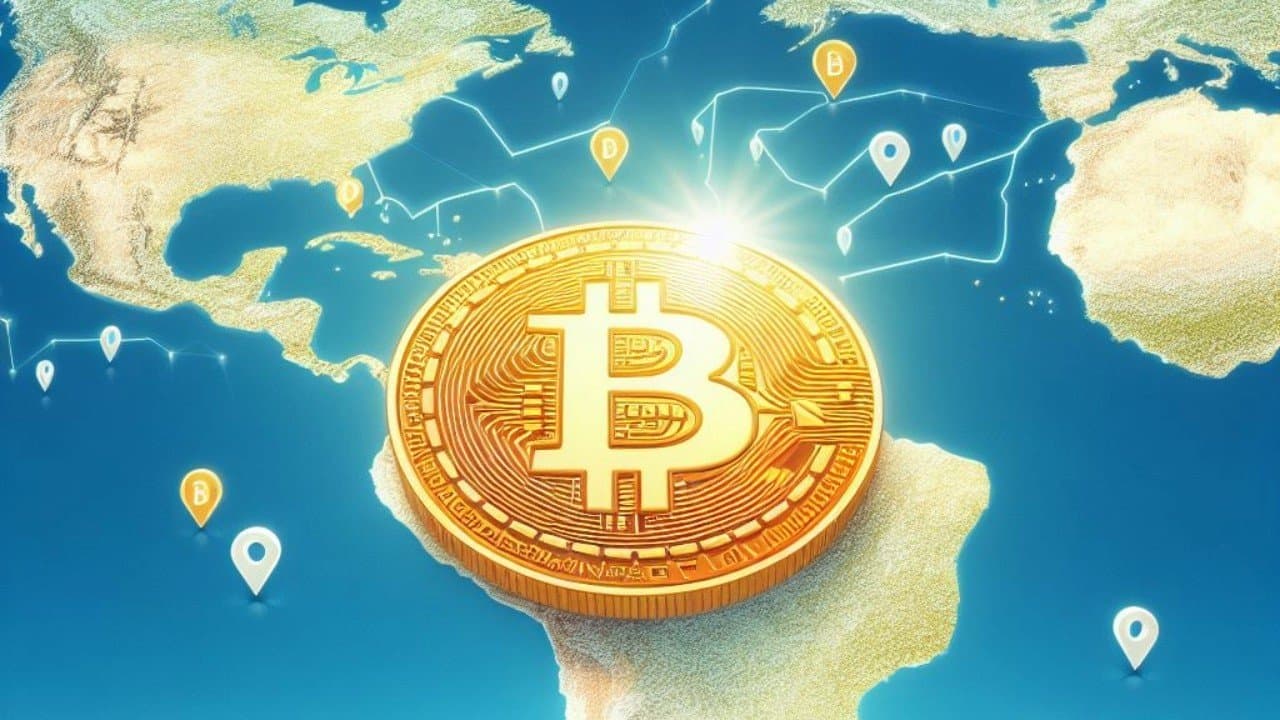
Public Records Inquiry Reveals the Failure of Salvadoran Bitcoin Millionaire Investor Visa Program
With its improvements in cryptocurrency regulation and personal security, El Salvador promoted itself as a vibrant destination for Bitcoin investors seeking crypto-friendly countries to live in. However, this allure has apparently not been enough to attract the attention of this target audience.
A recent public records inquiry by El Mundo, a local Salvadoran outlet, found that zero passports had been issued as part of the ‘Adopting Bitcoin’ program, which was spearheaded by Salvadoran authorities to provide the so-called ‘freedom passports’ to Bitcoin investors willing to donate $1 million in BTC or USDT to the country. The program aimed to attract at least 1,000 investors to settle in El Salvador, with the goal of raising $1 billion in the process.
The outlet communicated with the General Directorate of Migration and Immigration, the institution in charge of issuing passports. The institution denied having issued any documents deriving from those processes.
Brazilian Central Bank Considers Taxing Stablecoin Remittances
The Central Bank of Brazil is looking to capitalize on the popularity of stablecoins in Brazil and is now examining the possibility of taxing stablecoin-based remittances. According to industry stakeholders, the bank is considering including this kind of taxation in a definitive version of the cryptocurrency rules to be finalized next year.
Local media pointed this could be achieved by offering different licenses to crypto companies depending on the services provided. For example, tokenizing companies would have to apply for a common virtual assets service provider (VASP) license, while companies providing stablecoin exchange services might have to apply for another license.
Purchases of foreign currency, including dollars, are subject to a financial transaction tax in the country. While stablecoins are considered a dollar proxy globally, in Brazil, they are classified as financial assets rather than currency. This means they are not taxed and can be used freely for remittances and international settlements.
Bolivia Ramps up Stablecoin Adoption as Bank Debuts USDT Services
Private institutions are now entering the cryptocurrency and stablecoins market in Bolivia. Bisa Bank, the fourth largest banking institution in the country, has recently introduced a suite of stablecoin products to allow customers to purchase, sell, and keep USDT using its services.
The inclusion of USDT as a dollar proxy stablecoin in the bank’s platform gives users an alternative to guarantee the safety and trust of users when managing this asset. This is the opinion of Yvette Espinoza, president of the banking system watchdog ASFI, who backed up this product launch.
To follow all the latest developments in crypto and the economy in Latin America, sign up for our Latam Insights newsletter below.