Welcome To Latam Insights Encore, a deep view of Latin America’s most relevant economic and cryptocurrency-based news last week. In this edition, we examine the opportunity for cryptocurrency in Bolivia after the central bank unbanned it from its financial system and how the citizens might leverage these new tools to alleviate the deficiencies of traditional finance institutions and tools in the country.
Latam Insights Encore: The Bolivian Opportunity for Crypto After Its Unbanning

This article was published more than a year ago. Some information may no longer be current.
WRITTEN BY

SHARE
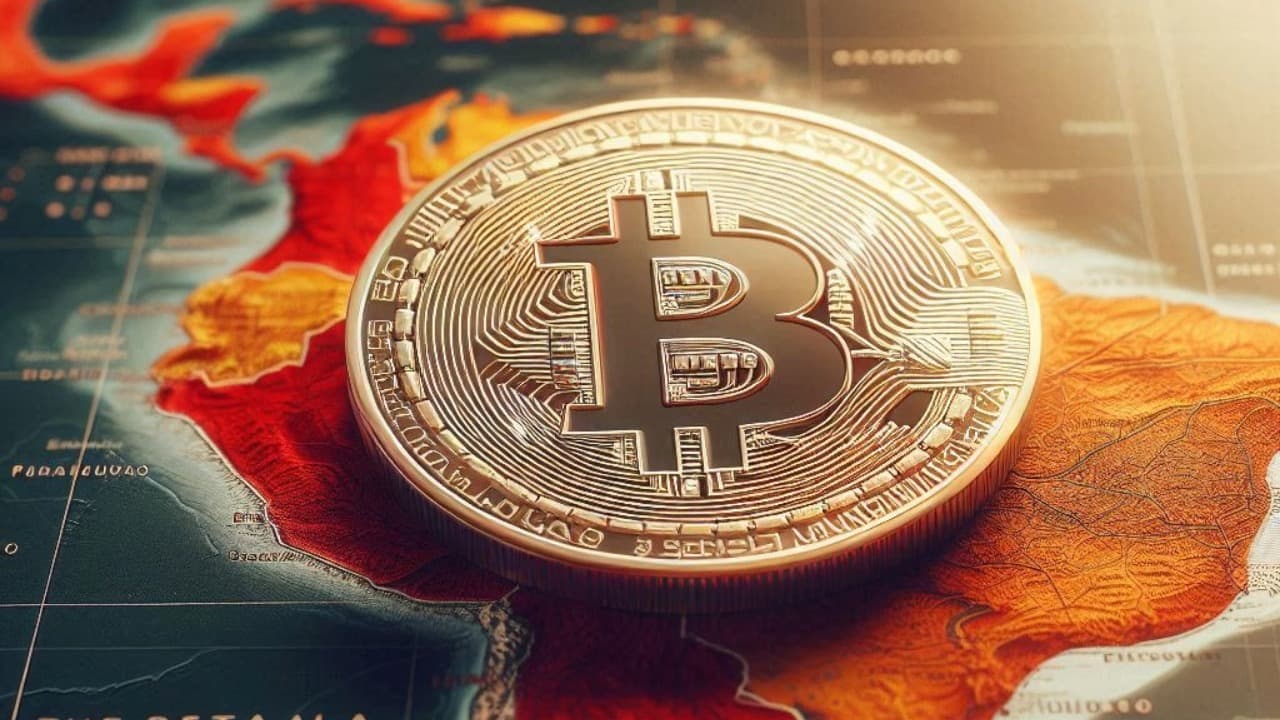
Bolivia Unbans Crypto Officially, Opens Opportunities for Users and Institutions
Bolivia, one of the more modest economies of the Latam region, recently opened the doors to the cryptocurrency industry, vacating a resolution that forbade traditional financial institutions to intermediate payments linked to cryptocurrency activities. The event, reported by Bitcoin News last week, marks the entry of Bitcoin and crypto to one of the last bastions denying its relevance in Latam.
The ban was established in December 2020, with the idea of protecting Bolivian citizens from the anonymity surrounding them, given that this trait might facilitate its use in fraud or scam schemes. However, this also blocked the opportunity for Bolivians to harness crypto like Argentina, for example, which registers high usage of stablecoins as a hedge against inflation in a country with a dollar exchange control.
Since 2011, Bolivia also has an exchange peg that forces the government to sell each dollar for 6.96 bolivianos, the national currency, making access to dollars difficult for the country. This has also caused problems for the population, which has been unable to satisfy its dollar demand through regular channels, forcing the central bank to sell dollars directly to icitizens and establish withdrawal limits.
The dollar scarcity reached a critical point in May 2023, when Congress pushed and passed a law allowing the government to sell 50% of its gold holdings (22 tons) for dollars to supply the internal market and solve the situation in the short term.
In this case, there is an opportunity for crypto exchanges to establish and thrive given the demand for dollars, which can be satisfied by integrating stablecoins into the financial and payment tissue of the country. While Bolivia has improved significantly in its financial inclusion rate, it is still under the world average, signaling that there is room for providing alternate solutions to traditional solutions.
However, the government still has to establish a legal framework for crypto companies to get legally into the country according to the Financial Action Task Force of Latin America (GAFILAT) recommendations. Still, this is a new door that opens to improve the current economic system in the country.
What do you think about Bolivia’s opening to the cryptocurrency market? Tell us in the comments section below.