Welcome to Latam Insights Encore, a deep dive into Latin America’s most relevant economic and crypto news from the past week. This edition explores how digital currency is prepared to take over the world, and how even nations that first banned it, like Bolivia, will rely on it sooner or later.
Latam Insights Encore: Digital Currency Adoption Is Unavoidable, and Bolivia Is the Proof
WRITTEN BY

SHARE
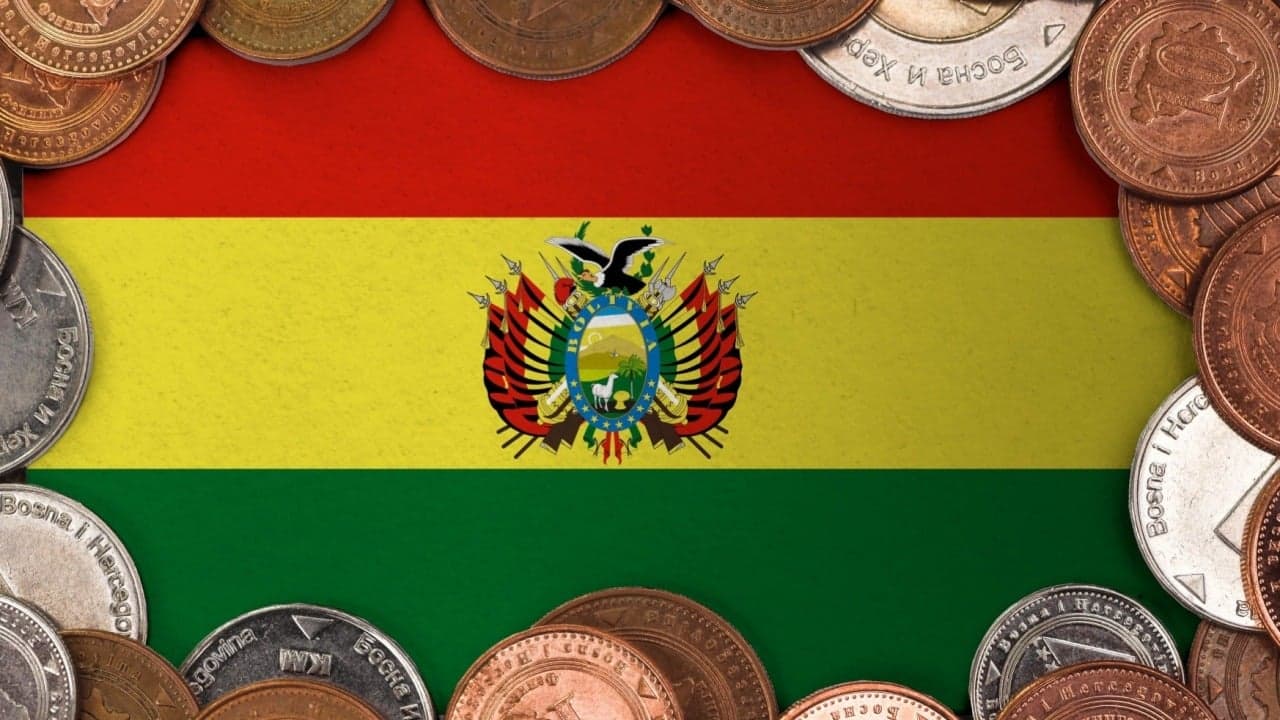
Latam Insights Encore: Bolivia: Another Domino Falls on the Road to Crypto Adoption
We are not in the early days of crypto anymore. I remember when I got to the crypto stage, in the middle of the so-called blockchain war, the concept of ETFs, bitcoin reserves, and the word institutional were still a dream in the ecosystem.
Nonetheless, these are now a reality, and crypto has become mainstream thanks in part to the push of the current U.S. administration. Now, even countries that had first banned crypto to “protect” their financial and economic system from “contagion” are opening their hands to crypto and digital currencies.
Bolivia, the South American nation, is perhaps one of the biggest and most unknown countries to have done a 180-degree turn on this subject.
In 2020, Bolivia issued a blanket ban on cryptocurrency assets, forbidding banks from using, marketing, and trading crypto assets in the national payment system. So they had one of the hardest stances on crypto out there.
Fast forward to 2024, and the dam broke. In June, the central bank lifted this ban, with crypto volumes more than doubling in just three months after lifting these prohibitions.
Read more: Central Bank of Bolivia Unbans Bitcoin From the Nation’s Financial Ecosystem
Nonetheless, the evolution of the adoption in Bolivia doesn’t stop there. In March, a new use case to maintain dollar reserves and test crypto payments for energy purchases surged.
Using crypto to purchase energy, which is used to drive the productive apparatus of the country, is already a testament to the security and trustworthiness of these assets.
Read more: Dollar-Strapped Bolivia to Rely on Cryptocurrency for Energy Imports
And now, finally, the nation is taking the last step toward opening to digital assets, announcing that it is working on designing its digital currency to save foreign reserves in international settlements.
The Bolivia case shows that even nations that opposed crypto in the past can fall under the allure of digital currency’s advantages, and I see many more backtracking on their preconceptions as time passes.
Read more: De-Dollarization Watch: Bolivia to Launch Digital Currency to Tackle Cross-Border Payments