Welcome to Latam Insights Encore, a deep dive into Latin America’s most relevant economic and cryptocurrency news from last week. In this edition, we examine the budget proposal of Salvadoran President Nayib Bukele, which contemplates eliminating debt issuance and how this might change the Salvadoran economy and its outlook.
Latam Insights Encore: Bukele's Zero-Debt Budget Is a Good Start to Heal El Salvador's Economy

This article was published more than a year ago. Some information may no longer be current.
WRITTEN BY

SHARE
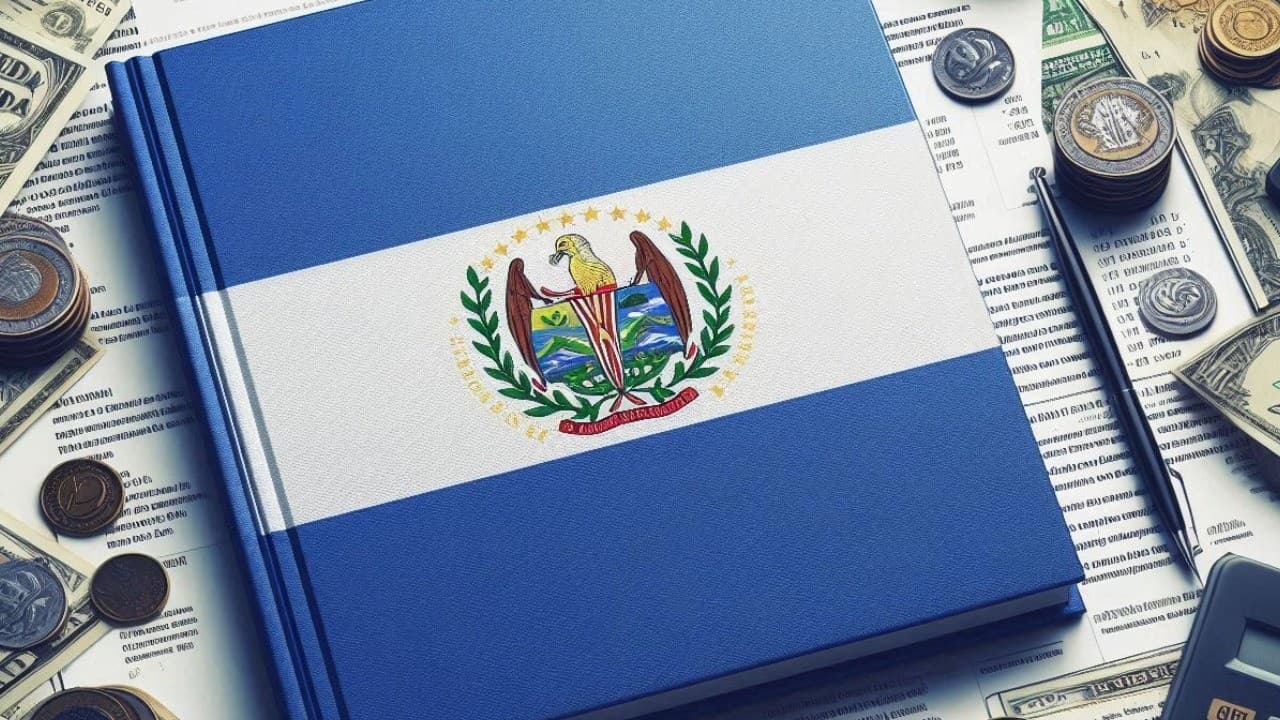
Latam Insights Encore: Bukele’s Zero Debt Issuance Budget Proposal Can Start Fixing El Salvador
While El Salvador changed significantly during the first term of President Bukele’s administration, who took the gangs head-on and cleansed the territory, the economic situation of El Salvador is still dire, having high levels of public debt and facing one of the highest inflation of all dollarized economies.
Fortunately, Bukele acknowledged this situation earlier this year and started taking steps to rein in inflation and secure private investments for the country. As part of this economy-focused second term, Bukele stated that he would propose a budget law that has zero debt issuance, solely supporting the country’s operations on its obtained funds.
While criticized by some national economists who claim that achieving such a feat might be a miracle, the move highlights that Bukele has the strength to force austerity on a country that needs it to break the dependence on debt and international institutions like the International Monetary Fund (IMF).
Nonetheless, only a leader like Bukele, who according to recent polls has an approval of over 90%, has the leverage to propose and apply changes that might affect public spending and directly affect the quality of life of all Salvadorans betting his political allure in the process.
If finally approved, this could be a good start for straightening the Salvadoran economy, which is set to outperform its Latam neighbors growing 3% this year but is burdened by a public debt almost equal to the country’s gross domestic product.
This would fix public debt growth, forecasted to reach almost $39 billion by 2029, and set an example for other countries.
What do you think about President Nayib Bukele’s “zero debt” budget proposal? Tell us in the comments section below.