Welcome to Latam Insights Encore, a deep dive into Latin America’s most relevant economic and crypto news from the past week. This edition examines how the recently disclosed use of crypto for power imports in Bolivia opens a new era for the validity of these settlements in international commodity markets.
Latam Insights Encore: Bolivia's Crypto Power Deal Opens a New Era for Commodity Markets

This article was published more than a year ago. Some information may no longer be current.
WRITTEN BY

SHARE
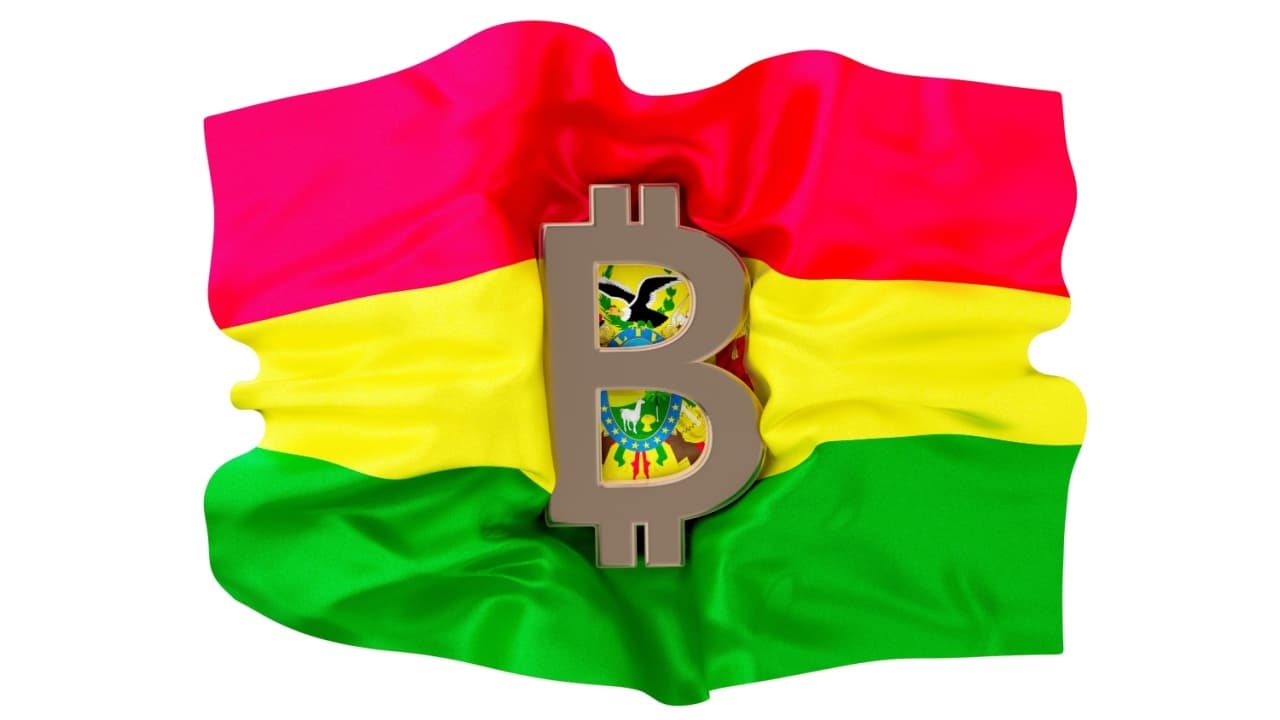
Latam Insights Encore: Bolivia Taps Crypto for Power Imports, Opens Commodity Markets to Innovation
While international trade incumbents move slowly, necessity brings emerging markets to keep innovating in their use of new tools to keep operating. The recent announcement of Bolivia, which is eyeing crypto to import fuel due to the dollar scarcity the government faces, is proof that necessity is the mother of innovation.
Nonetheless, this innovation might spur interest from other participants, who might also be enticed to use crypto for these purposes, although with other intentions. What’s important is that crypto comes to satisfy an ailing population that needs to have access to fuel to continue operating normally and maintain production numbers.
While it is not specifically mentioned, this might also be a victory for USDT, which could be the token used for these deals as the Bank of Bolivia has praised stablecoins for allowing to conduct dollar transactions seamlessly. The use of Tether’s stablecoin would be logical, as it would allow YPFB, the Bolivian state-owned energy company, to engage in these transactions without being affected by inflation: quite a movement for a country that had banned crypto purchases until last year.
Read more: Central Bank of Bolivia Unbans Bitcoin From the Nation’s Financial Ecosystem
Reports indicate that USDT has already been used for this kind of transaction from Venezuela and Russia, which are allegedly using the stablecoin to expedite international oil trade, bypassing existing sanctions. Nonetheless, this would be one of the first official reports of a company using USDT as a dollar proxy for conducting “legitimate” business.
Read more: Unnamed Insiders Allege Russia Taps Crypto Assets to Facilitate Oil Trade With China and India
Also, the future use of crypto (or USDT if used) legitimizes the payment method and indicates that there are companies out there open to be paid in crypto, opening the doors for a further transformation of the energy market to these alternatives.
Read more: Dollar-Strapped Bolivia to Rely on Cryptocurrency for Energy Imports