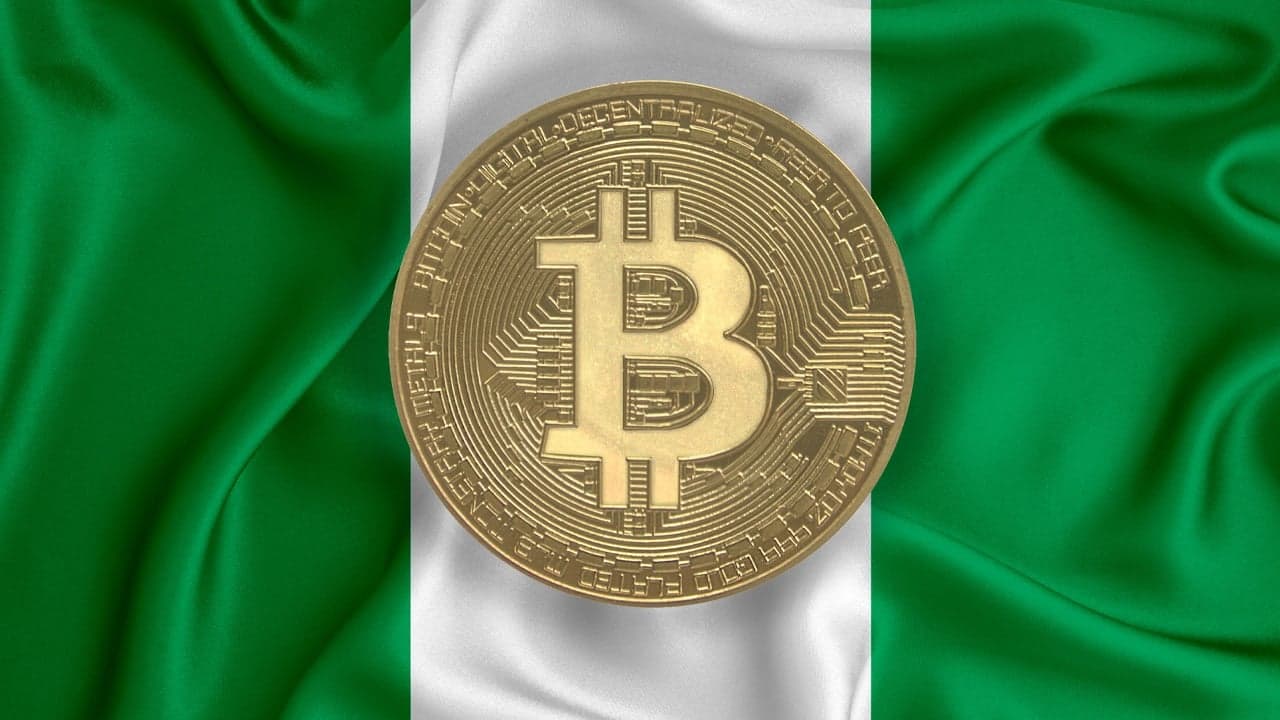
Nigeria-based KuCoin users will begin being levied a 7.5% value-added tax (VAT) on transaction fees starting on July 8. Some observers believe that Kucoin’s decision to implement this tax is intended to enhance its chances of securing an operating license. A Lagos-based crypto industry player stated that implementing the tax will likely harm the industry.
Kucoin to Implement 7.5% VAT on Transaction Fees for Nigerian Users

This article was published more than a year ago. Some information may no longer be current.
WRITTEN BY

SHARE
Important Regulatory Update
Starting on July 8, the cryptocurrency exchange Kucoin will implement a 7.5% value-added tax (VAT) on transaction fees for Nigerian users. This move aligns with a requirement from the Federal Inland Revenue Service (FIRS). Kucoin reportedly confirmed this development in an email sent to its Nigerian users.
According to local media reports, Kucoin, which has already complied with the Nigerian Securities and Exchange Commission’s request to remove naira trading pairs on its peer-to-peer (P2P) platform, frames this tax levy as a significant regulatory change.
“We are writing to inform you of an important regulatory update that impacts our users from the Republic of Nigeria. Starting on July 8th, 2024, we will begin collecting a Value-Added Tax (VAT) at a rate of 7.5 percent on transaction fees in each trade for users whose KYC information is registered in Nigeria,” Kucoin reportedly told its users.
Although Kucoin did not elaborate on why it has chosen to levy the tax, some Nigerian observers, like Chimezie Chuta, suggest that the crypto exchange is doing so to enhance its chances of securing an operating license. He also argues that since an unlicensed entity cannot collect taxes on behalf of the government, Kucoin’s announcement hints that it may be close to getting licensed.
FIRS Commend Kucoin
Meanwhile, Kucoin’s apparent cooperation with Nigerian authorities stands in stark contrast to another crypto exchange, Binance. As reported by Bitcoin.com News, Binance, which has faced tax evasion charges, has been criticized by officials for enabling currency speculators to undermine the local currency. Although Binance denies the charges, Nigerian authorities maintain their position and have taken steps to curtail the crypto exchange’s operations.
Kucoin’s eagerness to comply with local regulations has in the meantime earned it praise from Dare Adekanmbi, the special media adviser to the FIRS chairman. Still, others, like Joel Chibueze, a Lagos-based crypto market player, believe that the introduction of the tax will likely harm the industry.
“I believe it is part of the regulations to check fraud and underground transactions in the industry. However, we are also sending signals that we want to stifle the industry. My position is if you can’t give people jobs, at least allow them to carry on with their lives, and not stifle it,” Chibueze argued.
Register your email here to get a weekly update on African news sent to your inbox:
What are your thoughts on this story? Share your opinions in the comments section below.