Yury Ushakov, an aide of Russian president Vladimir Putin, revealed plans to create a digital blockchain payment system for the BRICS bloc. Ushakov remarked that the countries of the group would benefit from implementing such a system for the use of governments, common people, and businesses, stating that it would be convenient, cost-effective, and “free of politics.”
Kremlin Reveals Plans to Create a "Politics-Free" BRICS Blockchain-Based Payments System

This article was published more than a year ago. Some information may no longer be current.
WRITTEN BY

SHARE
Russia Announces Plans For Blockchain-Based BRICS Payment System
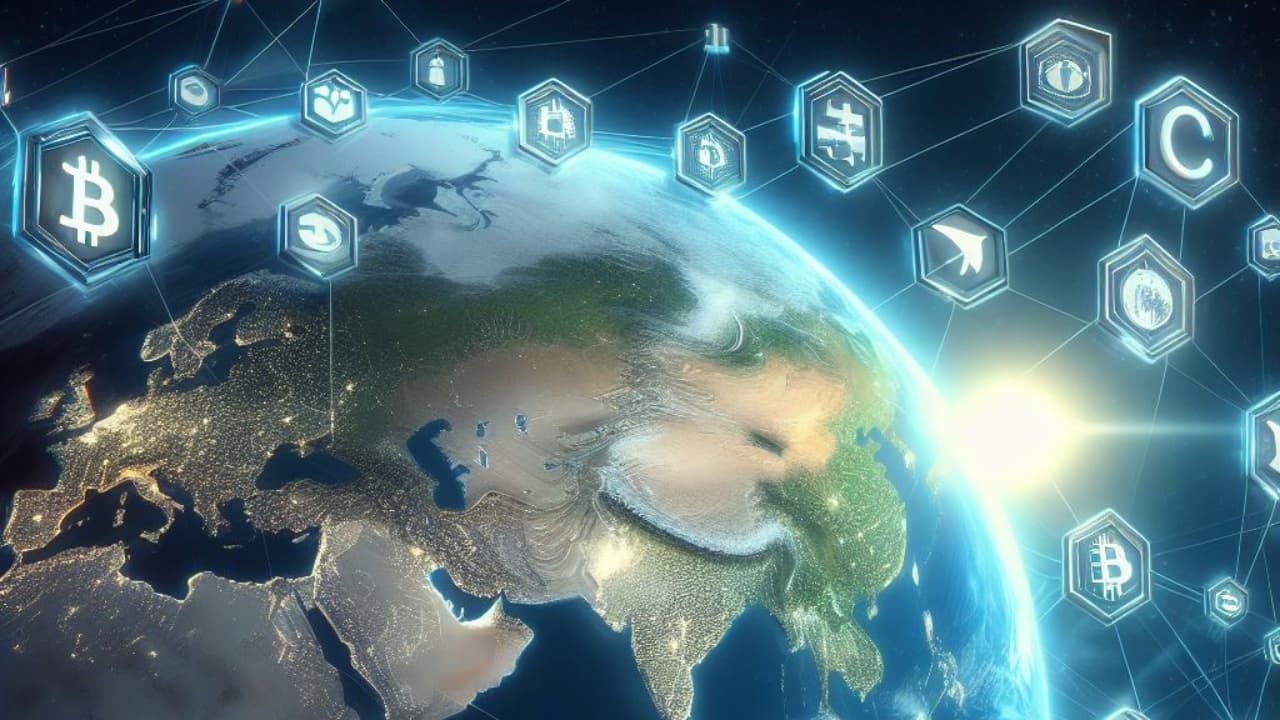
Russia is spearheading the development of a blockchain-based payments system for the BRICS bloc, integrated by Brazil, Russia, India, China, South Africa, Saudi Arabia, the United Arab Emirates (UAE), Iran, Egypt, and Ethiopia.
Yury Ushakov, a foreign policy aide of President Vladimir Putin, explained the goal behind this new system would be to improve the resistance of the payment rails between the countries of the group. This would diminish the BRICS’ reliance on the U.S. dollar.
In an interview with TASS, Ushakov declared:
We believe that creating an independent BRICS payment system is an important goal for the future, which would be based on state-of-the-art tools such as digital technologies and blockchain.
Furthermore, Ushakov detailed that using the proposed system would have to be “convenient for governments, common people and businesses, as well as cost-effective and free of politics.” With these statements, Ushakov hinted at using this blockchain system for retail sales and service payments, extending its purported usage from cross-border trade settlements.
The BRICS countries amass more than 45% of the global population, accounting for 36% of the global gross domestic product (GDP) adjusted for purchasing power parity (PPP). This hypothetical BRICS payment system would be one of the largest blockchain-based rails ever created, serving hundreds of millions of citizens in ten countries.
Ushakov remarked that there was ongoing work in incentivizing the use of national currencies for BRICS payments for securing international transactions, as it was convened during last year’s BRICS summit. He detailed that the group was developing the “Contingent Reserve Arrangement” for this end.
In February, Russian Finance Minister Anton Siluanov commented on developing a similar payment structure, stating that there was a proposal for “creating a platform that would connect the financial systems of its participants.” Siluanov hinted at the use of central bank digital currencies ( CBDCs) for this task, stating that “technological gateways for settlements in digital currencies of central banks” were “already in operation.”
What do you think about implementing a BRICS-wide blockchain payments system? Tell us in the comments section below.