As Wall Street is flashing red, JPMorgan CEO Jamie Dimon warns soaring inflation, spiraling tariffs, and shaken confidence signal a recession that could upend global markets.
Jamie Dimon Warns of Inflation Shock and Recession Risk as Market Teeters on Collapse
WRITTEN BY

SHARE
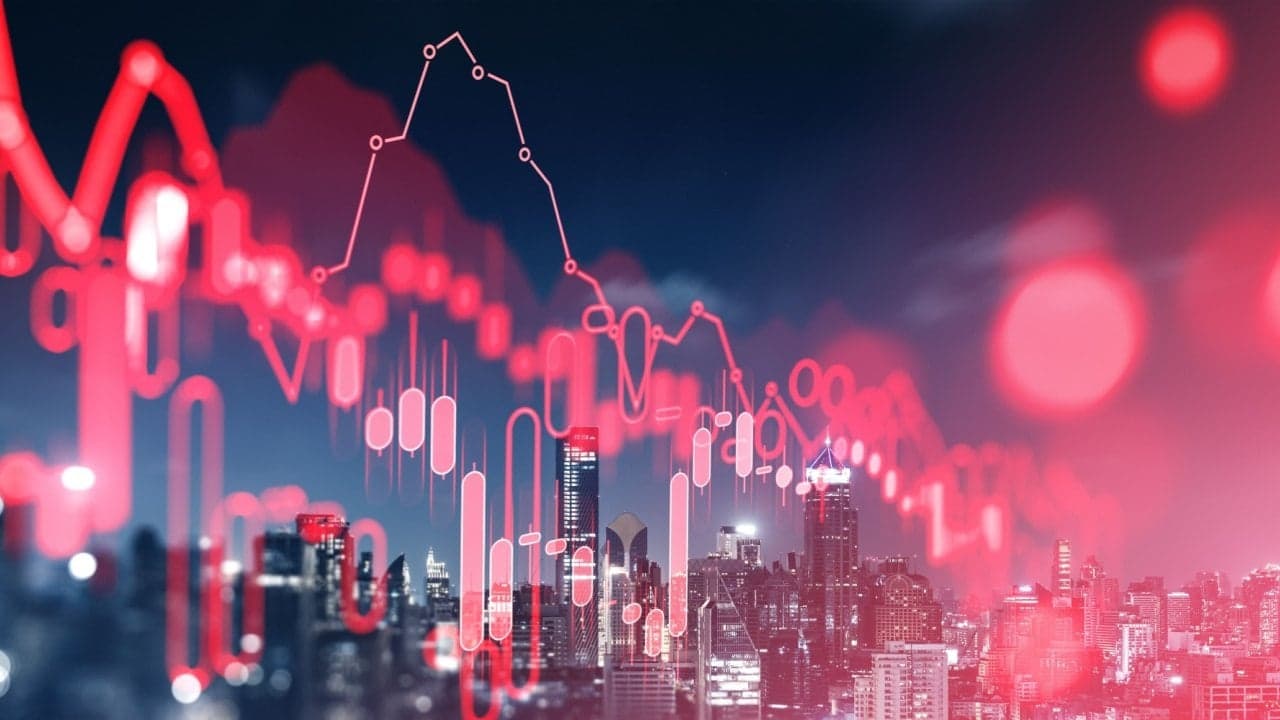
JPMorgan’s CEO Flags Recession Threat With Inflation Roaring and a Market Meltdown Near
Jamie Dimon, the top executive at JPMorgan Chase, raised alarm Monday in his annual letter to shareholders, emphasizing the inflationary risks and economic damage posed by President Donald Trump’s sweeping new tariffs. The commentary arrives amid ongoing market turmoil triggered by the April 2 tariff announcement, which sparked the worst stock selloff since the start of the Covid-19 crisis. The executive expressed caution about the U.S. economic outlook as global markets, unsettled by recent measures, continue to experience declining investor confidence.
Dimon outlined several short-term consequences stemming from the tariffs: “Whatever you think of the legitimate reasons for the newly announced tariffs – and, of course, there are some – or the long-term effect, good or bad, there are likely to be important short-term effects.” He elaborated further:
We are likely to see inflationary outcomes, not only on imported goods but on domestic prices, as input costs rise and demand increases on domestic products.
He warned that even if the tariffs don’t directly cause a recession, they could certainly impair growth, stating: “Whether or not the menu of tariffs causes a recession remains in question, but it will slow down growth.” Addressing broader market sentiment, Dimon added: “Markets still seem to be pricing assets with the assumption that we will continue to have a fairly soft landing. I am not so sure.”
In another section of the letter, Dimon expanded on his concerns about the financial landscape:
The recent tariffs will likely increase inflation and are causing many to consider a greater probability of a recession.
“And even with the recent decline in market values, prices remain relatively high. These significant and somewhat unprecedented forces cause us to remain very cautious,” the JPMorgan executive stressed.
He emphasized the urgency of resolving tariff-related uncertainties, stating: “The quicker this issue is resolved, the better because some of the negative effects increase cumulatively over time and would be hard to reverse.” Dimon’s message contrasts with his earlier remarks in January, when he encouraged people to “get over” tariff fears, given their benefits for national security—though at that time, the proposed tariff levels were considerably lower.