Iran’s grip on the Strait of Hormuz is tightening, and a new wrinkle has emerged: reports suggest Tehran is allowing yuan-based conditions for oil shipments seeking safe passage.
Iran’s Control of Hormuz Spurs Yuan Oil Payment Shift as Markets React
WRITTEN BY

SHARE
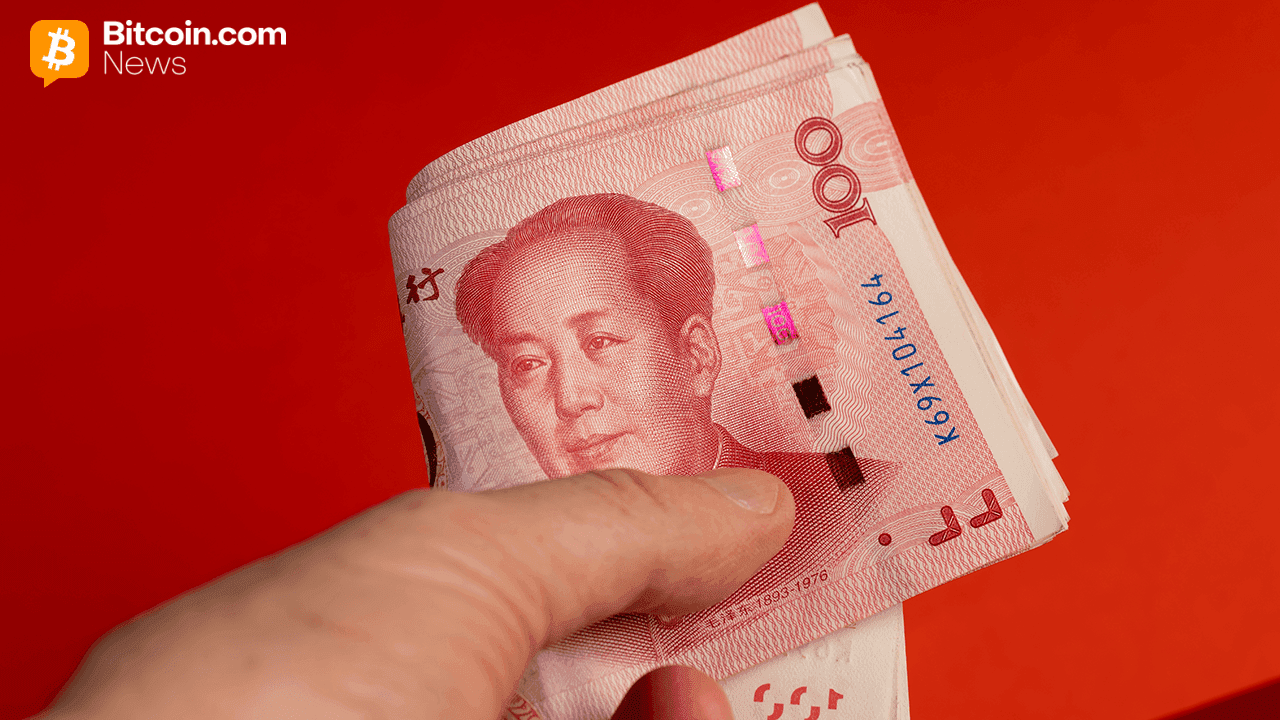
Reports of Yuan Oil Payments to Iran Are Surfacing
After President Donald Trump warned that Iran’s power plants could be “obliterated” if the Strait of Hormuz is not reopened, attention snapped back to a chokepoint that quietly moves the global economy.
The Strait of Hormuz, a narrow corridor handling roughly one-fifth of the world’s oil and liquefied natural gas flows, has grown increasingly unstable, with attacks, naval mines, and blockades halting traffic through one of the world’s most critical energy arteries.
Following President Donald Trump’s commentary, reports are now circulating that some nations are paying in yuan for safe passage through the Strait of Hormuz. “Donald Trump has achieved the Petro-Yuan,” one social media user wrote over the weekend, claiming India paid in yuan for safe passage through the strait.
At the same time, Iran insists it has not fully closed the strait, but is restricting access by barring vessels tied to what it calls “enemy” nations, including the United States, Israel, and their allies.
According to CNN last week, a senior Iranian official reportedly told the outlet that Tehran was weighing a pay-in-yuan arrangement. Following that disclosure, Chosun Ilbo reported that Iran is negotiating with eight non-Middle Eastern nations on safe-passage agreements settled directly in the Chinese currency.
The report, however, did not identify which countries are part of the alleged arrangement. Separate reporting from the Financial Times indicates that at least one oil tanker secured safe passage through the corridor by paying $2 million. Multiple reports further suggest that Japan has settled crude purchases using the Chinese currency.
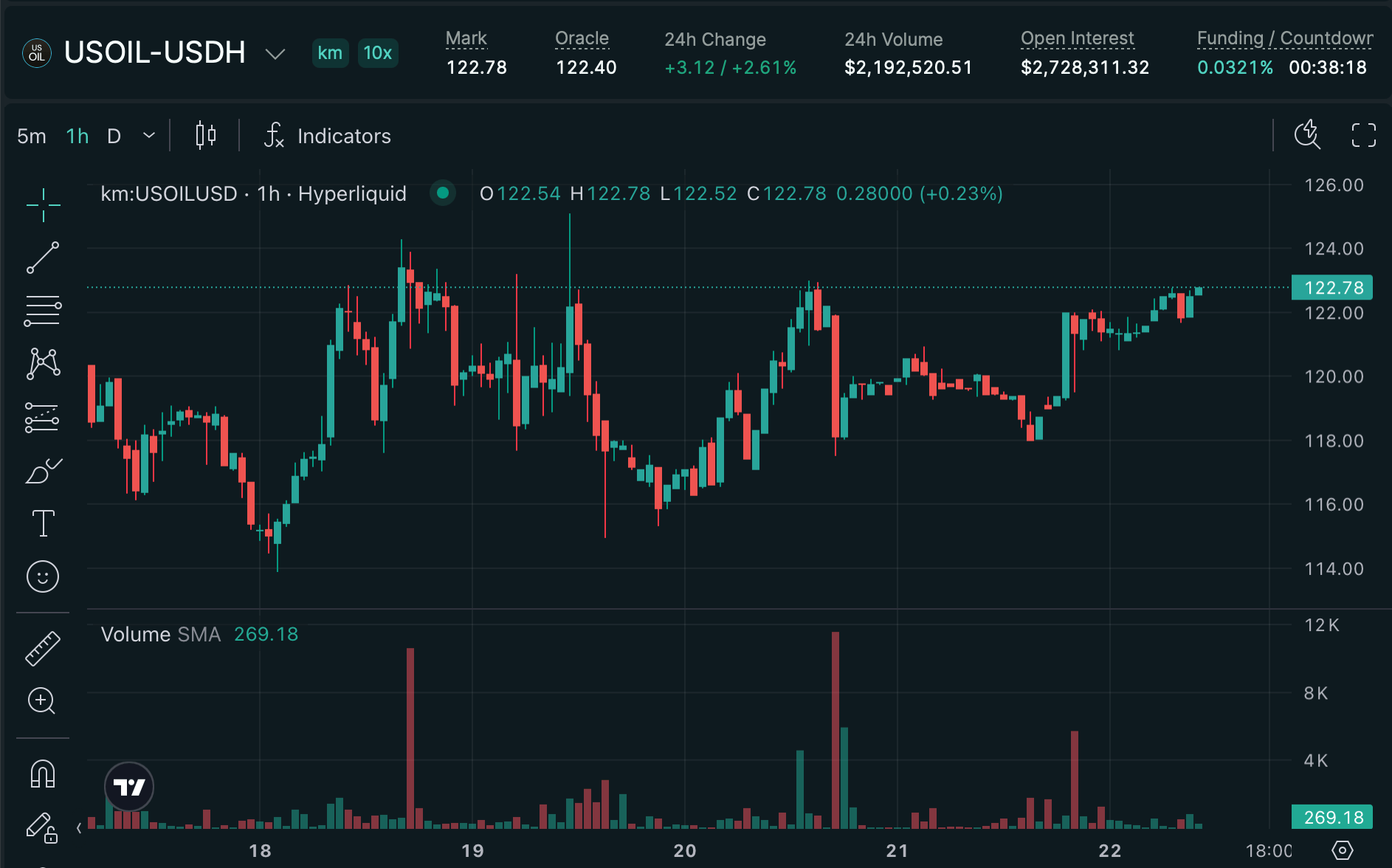
Meanwhile, Brent crude (UKOIL) settled Friday at $109.56, while West Texas Intermediate (WTI) closed at $97.20 per barrel. Data from Hyperliquid as of Sunday at 10 a.m. shows oil trading at $122 per barrel. Whether these alleged yuan-based arrangements represent a temporary workaround or a deeper shift in energy settlement remains unclear.
Bitcoin Slips to $68K as Trump Strait of Hormuz Warning Sparks Mass Liquidations
Bitcoin and the broader crypto economy slipped Saturday evening after President Donald Trump posted that the U.S. would obliterate Iran’s…
Read Now

Bitcoin Slips to $68K as Trump Strait of Hormuz Warning Sparks Mass Liquidations
Bitcoin and the broader crypto economy slipped Saturday evening after President Donald Trump posted that the U.S. would obliterate Iran’s…
Read NowBitcoin Slips to $68K as Trump Strait of Hormuz Warning Sparks Mass Liquidations
Read NowBitcoin and the broader crypto economy slipped Saturday evening after President Donald Trump posted that the U.S. would obliterate Iran’s…
What is evident is that control over the Strait of Hormuz is now shaping not just supply flows, but how oil is priced and paid for. As tensions linger and alternative payment channels emerge, the corridor is evolving into both a geopolitical flashpoint and a testing ground for currency realignment in global trade. At the same time, Trump is warning that any prolonged disruption to the Strait of Hormuz could trigger severe consequences.
“Now with the death of Iran, the greatest enemy America has is the Radical Left, Highly Incompetent, Democrat Party,” Trump wrote on Truth Social on Sunday.
Additionally, Israeli Prime Minister Benjamin Netanyahu is calling on other nation-states to align with the United States and Israel in confronting the Iranian regime. Netanyahu asserted that certain countries are already coordinating with U.S. President Trump. After Trump publicly appealed for broader international support with added military ships, European governments, including the U.K., France, Germany, and Italy, clarified they would not deploy warships to the Middle East.
FAQ 🛢️🛢️
- Why is the Strait of Hormuz important to global oil markets? It handles roughly 20% of the world’s oil and LNG flows, making it a critical energy chokepoint.
- Are countries really paying for oil in yuan through Hormuz? Reports suggest some nations are exploring or are currently using yuan-based payments for safe passage and crude purchases.
- How is Iran controlling access to the Strait of Hormuz? Iran says it is restricting vessels tied to “enemy” nations while allowing selective transit.
- Why are oil prices rising amid Hormuz tensions? Supply risks and shipping disruptions are pushing crude prices higher, with oil recently hitting $122 per barrel.