Iran supports a unified BRICS currency if all members agree, signaling a shift toward economic cooperation as the bloc explores alternatives to reliance on the U.S. dollar.
Iran Backs Unified BRICS Currency—With a Focus on National Interests

This article was published more than a year ago. Some information may no longer be current.
WRITTEN BY

SHARE
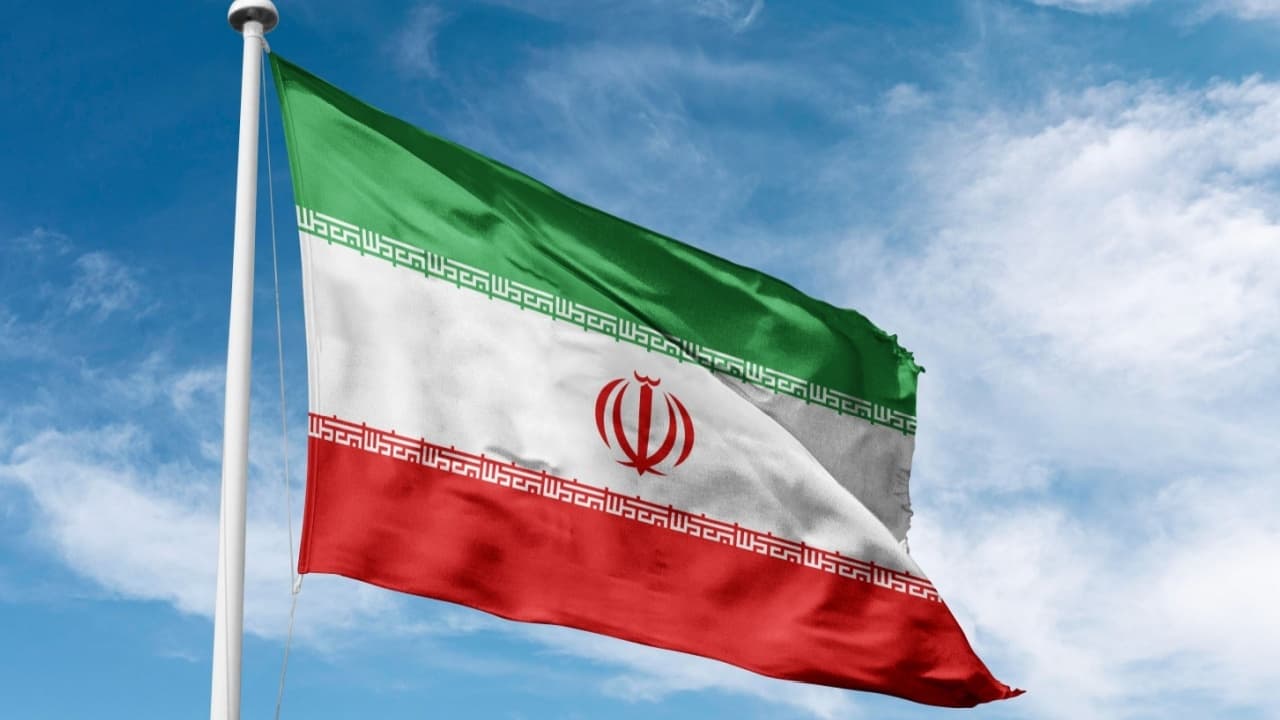
Iran Supports Unified BRICS Currency Amid Global Tensions
Iran has expressed willingness to support the creation of a unified BRICS currency, provided that all member nations reach a consensus on the matter, Tass reported Tuesday. Fatemeh Mohajerani, the official spokesperson for the Iranian government, addressed the issue during a weekly briefing, emphasizing that Iran’s decision would be guided by its national interests. She stated:
If BRICS member-countries come to a consensus to use a single and unified currency, we are all for it. We will proceed from national interests.
The potential development of a shared currency has been a topic of interest among BRICS members, though opinions remain divided on its feasibility and implementation.
The discussion surrounding a unified BRICS currency has drawn reactions from global powers, particularly the United States. U.S. President Donald Trump warned that should BRICS nations pursue an alternative currency or abandon the dollar, the U.S. would impose 100% tariffs on goods imported from these countries. The statement highlights Washington’s concerns about any shift that could challenge the dominance of the U.S. dollar in global trade.
However, Russian officials have downplayed the likelihood of such a development in the near future. Kremlin Spokesman Dmitry Peskov addressed the issue, clarifying that BRICS is not actively working on a single currency at this time. Instead, he noted: “BRICS is not currently discussing a unified currency for the alliance, focusing instead on establishing common investment platforms in third countries.”
While Iran has signaled its openness to a joint currency, BRICS remains focused on expanding economic cooperation through investment rather than monetary unification. The alliance has been exploring ways to reduce dependence on the U.S. dollar, including increasing trade settlements in local currencies. Despite Iran’s support, the realization of a single BRICS currency would require overcoming significant economic and political challenges, as well as reaching full agreement among all member states.