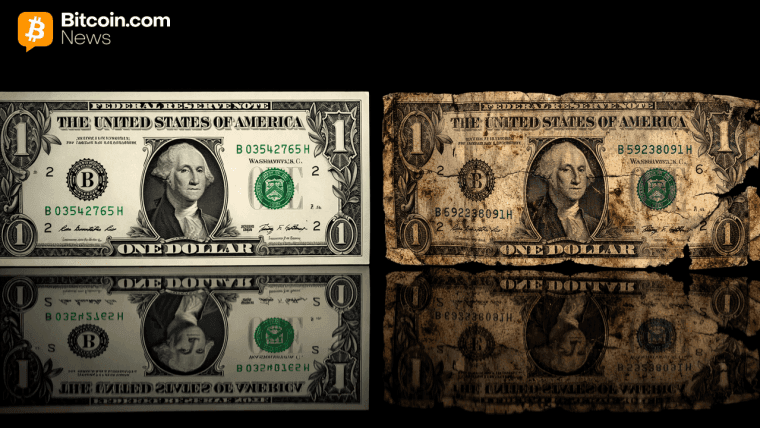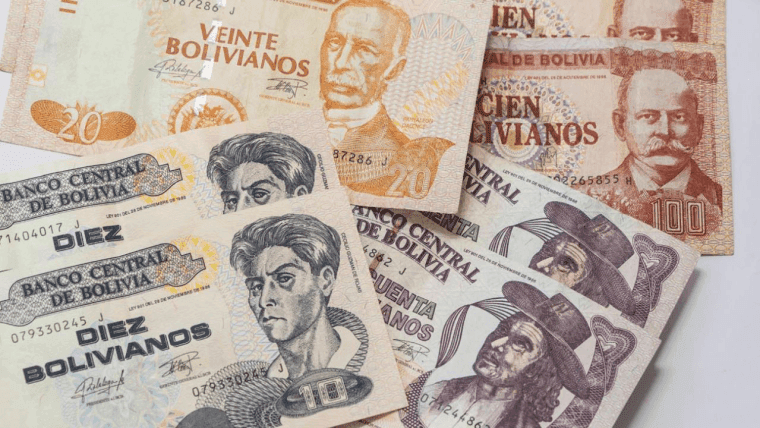



An International Monetary Fund representative has cautioned that Zambia’s proposed dedollarization initiative may inadvertently undermine efforts to contain inflation. The representative expressed concern that the prevailing economic conditions in Zambia are not conducive for the country to proceed with the de-dollarization proposals.
IMF Warns Zambia Against Dedollarization, Calls Plan Counterproductive

This article was published more than a year ago. Some information may no longer be current.
WRITTEN BY

SHARE
Zambia Not Ideally Placed to Dedollarize
The International Monetary Fund (IMF)’s Zambian representative, Eric Lautier, has expressed concerns about Zambia’s dedollarization proposals. According to Lautier, these measures could inadvertently undermine efforts to contain inflation. He argues that successful dedollarization requires an economic environment characterized by low and stable inflation rates, as well as limited external pressures—conditions that Zambia currently lacks.
The IMF representative’s remarks were made shortly after the Bank of Zambia announced proposals that promote local currency use. Notably, the central bank’s guidelines propose severe penalties, including up to 10 years in jail, for Zambian businesses that demand U.S. dollars for local transactions.
Zambian officials contend that the widespread use of U.S. dollars hampers the effectiveness of the Bank of Zambia’s monetary policy. However, businesses have criticized the proposed penalties, labeling them as punitive and warning that they could exacerbate inflation.
Dedollarization Plan May Be Counterproductive
Lautier’s remarks, which appear to align with sentiments expressed by Zambian businesses, emphasize the need for a comprehensive macroeconomic stabilization plan alongside any dedollarization efforts. The IMF is currently evaluating Zambia’s initiative, considering country-specific conditions and implementation modalities.
Forced dedollarization measures are likely to prove ineffective and could even be counterproductive. We are in the process of evaluating those.
Like many African countries, Zambia, the world’s second-largest copper producer, grapples with foreign exchange shortages and a high inflation rate. To mitigate these challenges, as well as cope with a depreciating currency, Zambian businesses have turned to quoting or demanding U.S. dollars for local transactions.
Although the Bank of Zambia has expressed its intention to discontinue this practice, a recent Bloomberg report indicates that consultations are ongoing.
Register your email here to get a weekly update on African news sent to your inbox:
Do you agree that dedollarization will hurt the Zambian economy? Share your opinion in the comments section below.
Bitcoin.com News is seeking a News Writer to produce daily content on cryptocurrency, blockchain, and the digital currency ecosystem. If you are interested in becoming a key member of our innovative global team, apply here.