The International Monetary Fund (IMF) says 19 countries in the Middle East and Central Asia, including Bahrain, Georgia, Saudi Arabia, and the UAE, are in the advanced “proof-of concept” stage for central bank digital currencies ( CBDCs). “We support policymakers evaluating the need to issue a CBDC and help them craft strong policies and regulatory frameworks that can minimize monetary and financial stability risks,” the IMF stated.
IMF: CBDCs Can Boost Financial Inclusion and Payment Efficiency in Middle East

This article was published more than a year ago. Some information may no longer be current.
WRITTEN BY

SHARE
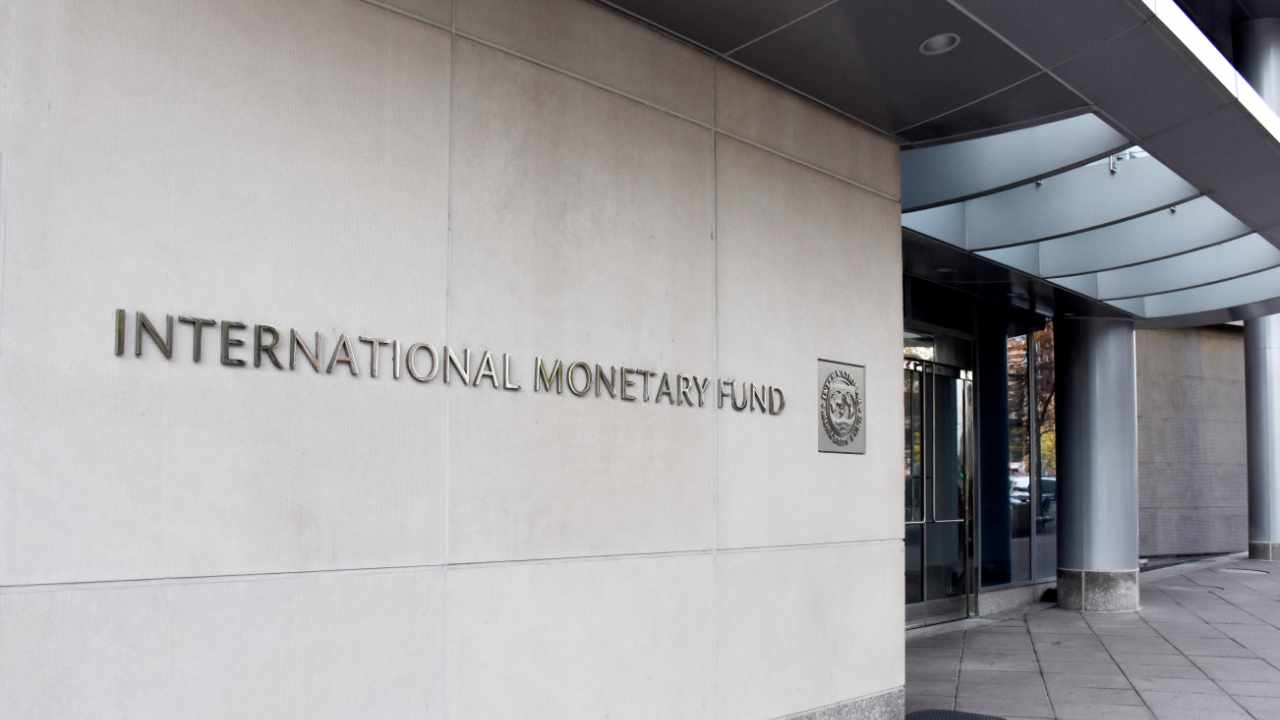
IMF Is Helping Countries Explore CBDCs
On Tuesday, the International Monetary Fund (IMF) published a blog post titled “ Central Bank Digital Currencies Can Boost Middle East’s Financial Inclusion, Payment Efficiency.” The post is based on an IMF departmental paper released on April 26.
Highlighting that almost two-thirds of countries in the Middle East and Central Asia are exploring central bank digital currencies ( CBDCs) to enhance financial inclusion and payment efficiency, the post explains:
Nineteen countries, including Bahrain, Georgia, Saudi Arabia, and the UAE, are in the advanced ‘proof-of concept’ stage, with Kazakhstan leading after two pilot programs.
“ CBDCs can potentially help improve the efficiency of cross-border payment services. This appears to be an important priority for oil exporters and the Gulf Cooperation Council countries of Bahrain, Kuwait, Oman, Qatar, Saudi Arabia, and the United Arab Emirates.
That’s because cross-border payments tend to have frictions like varying data formats and operating rules across regions and complex compliance checks. CBDCs that address these inefficiencies could significantly cut transaction costs,” the IMF post details.
Moreover, the IMF post described that central bank digital currencies can enhance financial inclusion by fostering competition in the payments market, allowing for direct transactions with less intermediation, thus lowering costs and increasing accessibility. Central banks can keep costs lower than commercial banks as they are not profit-driven, potentially improving payment services and technology platforms. This is particularly beneficial for regions like the Caucasus, Central Asia, Middle East, and North Africa oil importers, and low-income countries.
However, barriers such as low digital literacy, lack of identification, distrust of financial institutions, and low wealth must be addressed to maximize CBDC benefits. CBDCs may compete with bank deposits, affecting bank profits and lending, but policymakers can mitigate risks by ensuring a healthy banking system and robust regulatory framework. Design features like offline functionality can promote inclusion in areas with poor mobile service. The IMF supports countries in exploring CBDCs, offering guidance on policy and regulatory frameworks to minimize risks. The post concludes:
For its part, the IMF is helping countries explore CBDCs. Through capacity development and surveillance, we support policymakers evaluating the need to issue a CBDC and help them craft strong policies and regulatory frameworks that can minimize monetary and financial stability risks.
Do you agree with the IMF about the benefits of central bank digital currencies for countries in the Middle East and Central Asia? Let us know in the comments section below.