


In 1965, the Grateful Dead united as a musical group that not only redefined the music industry but upended the norms, setting a fresh and uncharted course.
How the Grateful Dead Presaged Today’s Decentralized Technologies and Encouraged P2P Networking

This article was published more than a year ago. Some information may no longer be current.
WRITTEN BY
SHARE
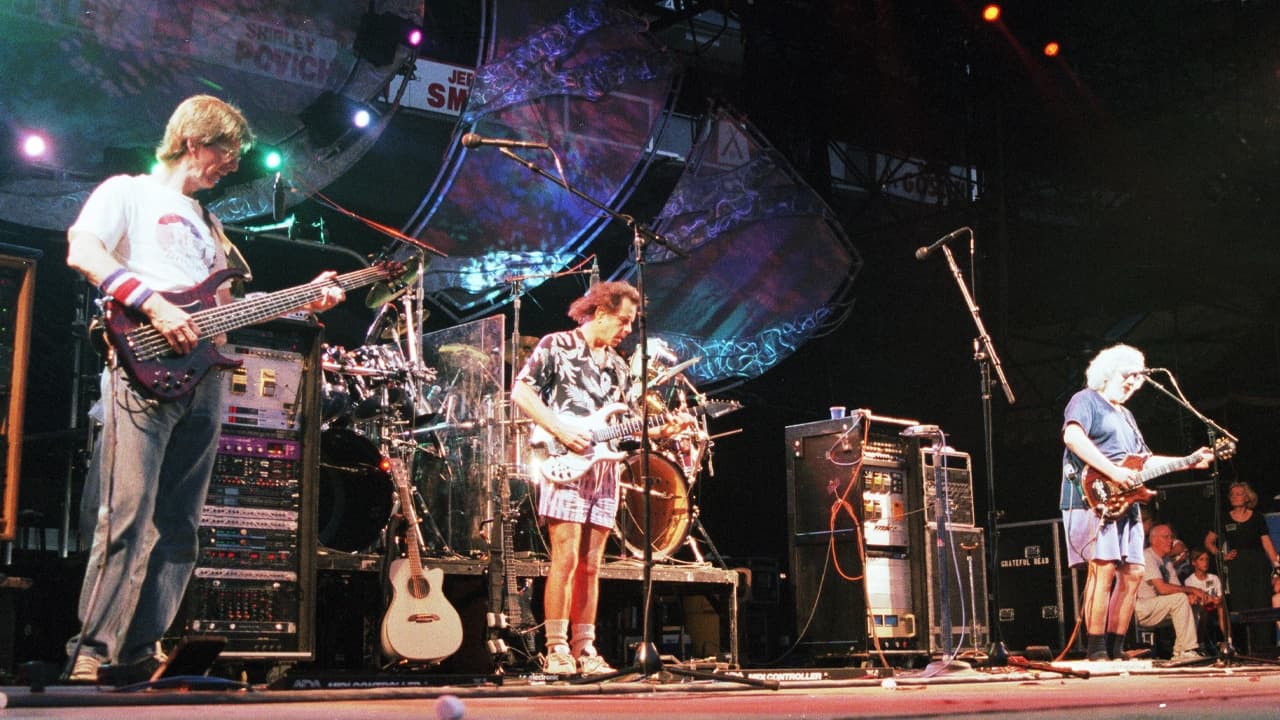
Playing in the Band
Fueled by their psychedelic explorations, the Grateful Dead ignited phenomena such as the “jam band,” Deadhead followers, bustling Shakedown Streets, and a taper community that transferred authority from institutions straight to the fans. Essentially, they decentralized society before it was cool.
During their three-decade run, Jerry Garcia, Bob Weir, Bill Kreutzmann, Phil Lesh, Mickey Hart, and an evolving lineup of keyboard players didn’t just transform the lives of Deadheads. Their influence ripples across the music world, shaping massive festivals and inspiring bands like Phish, Widespread Panic, and Moe.
Like the disruptive impact of Satoshi Nakamoto’s Bitcoin or the rise of the internet, the Grateful Dead’s legacy transformed trends through decentralization.
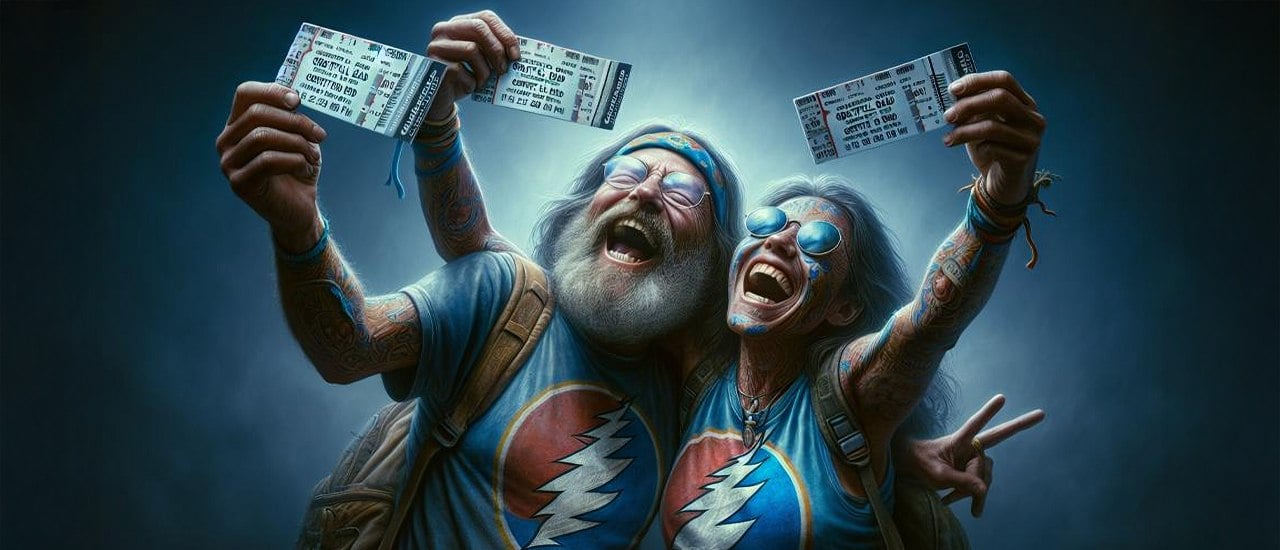
Over 50 years ago, the Grateful Dead began their daring musical experiments, when rock artists faced pressure to create catchy, under-five-minute hits. Known by names like Mother McCree’s Uptown Jug Champions and the Warlocks at the time, the Dead went against the grain, with jam sessions stretching to 15 minutes or more, each unique with every play. This style spawned what fans now call the “jam band.”
Though not famous for chart-topping records, the Grateful Dead inspired a wave of jam bands that thrived without relying on gold records. Their self-titled album got some airplay, but it took until “Workingman’s Dead” and “American Beauty” to achieve gold status after nine years. The band’s reach grew through endless touring and a dedicated fan base, paving the way for today’s jam bands to follow the Dead’s enduring legacy.
Nothing Shaking on Shakedown Street
Even after the Grateful Dead’s touring era, a thriving Shakedown Street lives on, filled with decentralized vendors. Wikipedia describes it as “an area of a jam band parking lot where vending takes place,” with roots in Grateful Dead parking lots during the early 1980s.
Named after the band’s song, Shakedown Street became a place for all manner of trade—sometimes low-key, sometimes bold, and always countercultural. Inspired by this song, fans built a decentralized network of vendors, offering an array of items in a way that mirrors Bitcoin or Bittorrent, making Shakedown Street’s network tough to dismantle.

Open-Source Music
Beyond pioneering jam sessions and Shakedown Street’s unique culture, the Grateful Dead also welcomed fans to record live shows, starting a trend that many bands have since embraced. Before the Dead, dedicated sections for taping didn’t exist, but their openness strengthened their fan base, fostering community in a way that traditional record sales never could.
This approach, although not popular with record labels, made live recordings as cherished as studio albums for many fans. Bands like Phish continue this tradition, and Grateful Dead shows are legendary for unforgettable live recordings. Their “open-source” approach to live music created a peer-to-peer experience that outlasted an industry dominated by record labels.
Futuristic Hippies: Pioneering Decentralization
Some 55 years ago, the Grateful Dead anticipated trends that now underpin today’s decentralized networks, from cassette trading to digital file-sharing. Online platforms like Napster, NYC Taper, and The Pirate Bay eventually replaced cassettes, and many musicians have adapted to this fan-driven world.
Though labeled as laid-back hippies, the Grateful Dead were ahead of their time, foreseeing the digital age’s pull toward openness and freedom. Their forward-thinking spirit set a blueprint that still influences the music world, encouraging decentralized innovation as these trends grow.
The Grateful Dead’s legacy parallels the decentralized ethos at the heart of Bitcoin. Just as the band bypassed record labels to forge direct bonds with fans, Bitcoin disrupts financial intermediaries, connecting people directly in value exchange. Both phenomena underscore a broader movement toward autonomy, challenging traditional systems with an emphasis on peer-driven innovation, self-custody, and transparency.
In the same way, the Grateful Dead redefined how music reaches its audience, Bitcoin reshapes financial engagement, empowering individuals over institutions. The Dead’s open, unmediated music model mirrors Bitcoin’s promise: a future where users control access, value, and a peer-to-peer community. Their combined legacies represent a lasting commitment to financial and cultural independence, rooted in trust and resilience.
Editor’s Note: The Op/Ed article above, was originally crafted in 2021 for a Jerry Garcia-centric magazine project that never materialized. This published release comes in light of the recent passing of Phil Lesh, the bass player for the Grateful Dead.