Ghana’s gold-for-oil barter scheme has been halted by the central bank, according to Bank of Ghana Governor Johnson Asiama.
Ghana's Central Bank Cancels Costly Gold-for-Oil Barter Scheme Amid Massive Losses

This article was published more than a year ago. Some information may no longer be current.
WRITTEN BY

SHARE
Stabilizing Foreign Exchange Markets
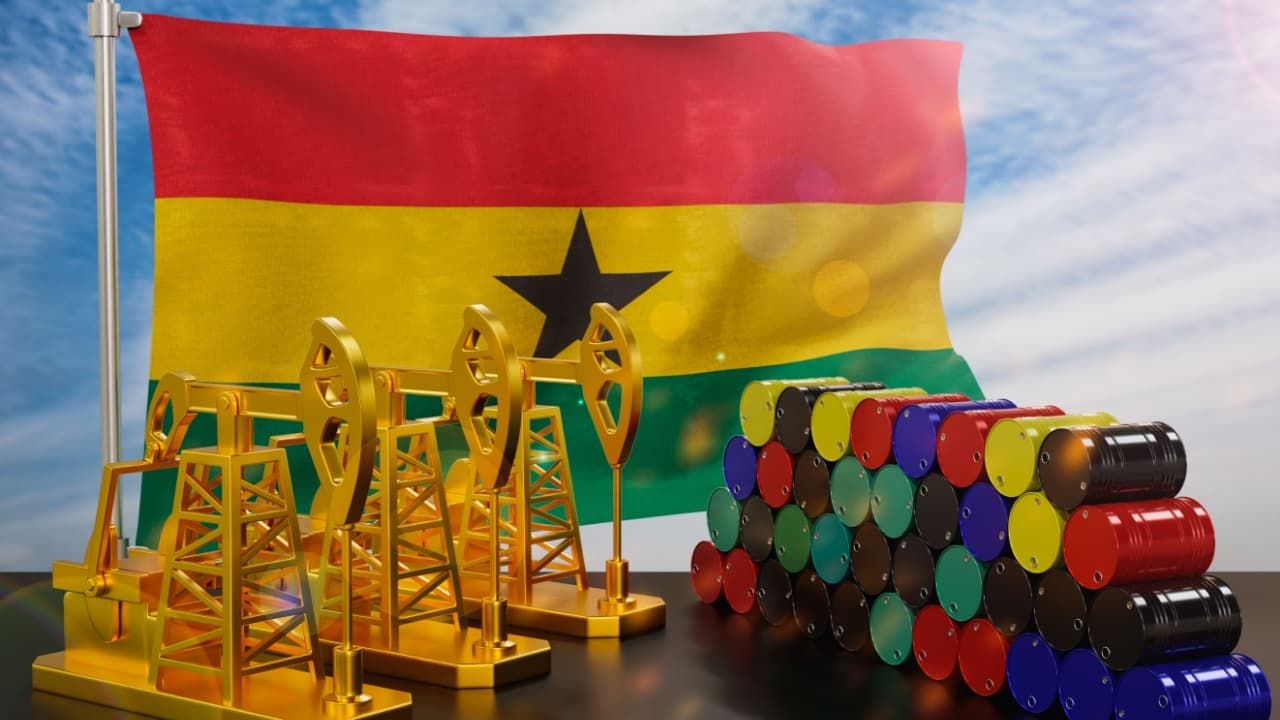
The Ghanaian central bank has suspended a barter trade scheme in which it swapped gold for oil, according to a report. Johnson Asiama, the governor of the Bank of Ghana (BOG), stated that the bank is now focused on using more orthodox tools to stabilize foreign exchange markets. He noted that the policies of the recently sworn-in Ghanaian leader, John Mahama, are expected to help the West African country maintain stability in its foreign exchange markets.
Introduced in late 2022, the BOG’s gold-for-oil barter trade scheme was intended to help preserve Ghana’s depleted foreign exchange reserves. The previous Ghanaian government hoped that the barter scheme would ultimately ease pressure on the cedi, which had been named the world’s worst-performing currency in the last quarter of 2022.

However, this and other policies seemingly failed to stabilize the cedi, which went on to hit a record low against the U.S. dollar nearly two years later. While the cedi plunged to its all-time low of 16.47 per dollar on Nov. 9, 2024, the currency gained ground against the greenback and was trading just above the 15 mark at the time of writing.
The 50% increase in revenue from gold exports, which reached $11.6 billion in 2024, seemingly helped put the cedi on a recovery path. By September last year, the West African nation had acquired 65.4 tonnes of gold for its foreign reserves as well as for its barter scheme. According to a Bloomberg report, Ghana’s total oil import bill in 2024 was $4.5 billion.
Buoyed by the reversal in fortunes brought about by increased gold revenues, Asiama stated that it was time to end the costly barter scheme.
“We have had to incur some losses on that. So we’ve put some suspension on the barter trade,” the BOG governor said.
Asiama hinted that the central bank may eventually cede the role of buying the precious metal to the proposed Gold Board. Meanwhile, the governor indicated that the BOG would rein in its spending to avoid a repeat of what happened in 2024, when the bank incurred $3.9 billion in losses.