A former governor of the People’s Bank of China warned against calls for the Chinese government to allow yuan‑based stablecoins, citing potential risks to financial stability.
Former PBOC Chief Warns Stablecoins May Threaten Financial Stability in China
WRITTEN BY

SHARE
Geopolitical Context and U.S. Stablecoin Bills
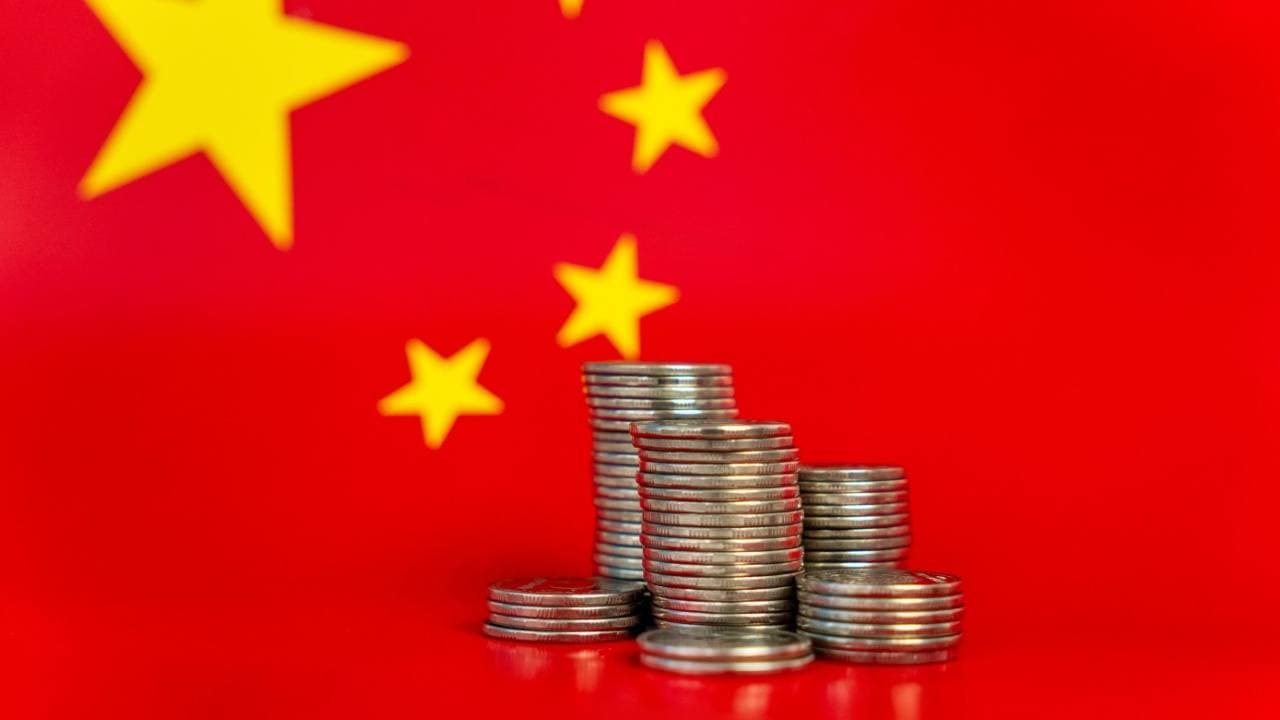
The former governor of the People’s Bank of China (PBOC), Zhou Xiaochuan, has cautioned against parties urging the Chinese government to allow the issuance of yuan-based stablecoins, warning that speculation in these assets could pose a threat to financial stability. Zhou, who served as PBOC chief from 2002 to 2018, also argued that stablecoins offer limited cost advantages over China’s “efficient” retail payment systems.
According to a Bloomberg report, Zhou made these remarks in July during a closed-door meeting. The comments, however, only came to light after a Beijing-based economic think tank, CF40, posted about them on Aug. 27. The former PBOC chief’s warning came amid growing concern among China’s financial elite that U.S. dollar-backed stablecoins are perpetuating the greenback’s hegemony.
Two stablecoin bills recently passed by U.S. lawmakers — the Guiding and Establishing National Innovation for U.S. Stablecoins (GENIUS) Act of 2025 and the Clarity for Payment Stablecoins Act of 2024 — mandate stablecoin issuers to back the digital assets with U.S. Treasuries. Such requirements are seen as an attempt to extend the dollar’s dominance in the digital realm, potentially widening the United States’ grip on the global financial system. To counter this, some corporations want Beijing to permit them to issue stablecoins backed by the yuan.
While acknowledging the potential of digital currencies, Zhou is quoted in the CF40 report as disputing claims that traditional cross-border payment systems are “very expensive,” calling such assertions exaggerated. He added:
“In reality, many of the cost factors aren’t technical, but rather relate to foreign exchange controls, which are linked to numerous institutional issues such as the balance of payments, exchange rates, and monetary sovereignty.”
The former PBOC chief nevertheless concurred that stablecoins may be ideal in situations where a country’s currency is failing and dollarization is necessary.
Meanwhile, Zhou claimed that some issuers have no real interest in the stablecoin business but are keen on using popularity to boost their own valuations. According to the former PBOC chief, this may be detrimental to the healthy development of the entire financial system and could potentially accumulate systemic risks.