Some individuals believe the U.S. is staring down the barrel of a financial headache in 2025, with a whopping $7 trillion in debt due for renewal, raising alarms about a possible economic meltdown. Financial guru Dr. Jim Willie has sounded the alarm on the massive global fallout, labeling this as a defining moment for the U.S. debt market.
Financial Analyst Predicts Massive Debt Crisis for US Economy in 2025

This article was published more than a year ago. Some information may no longer be current.
WRITTEN BY

SHARE
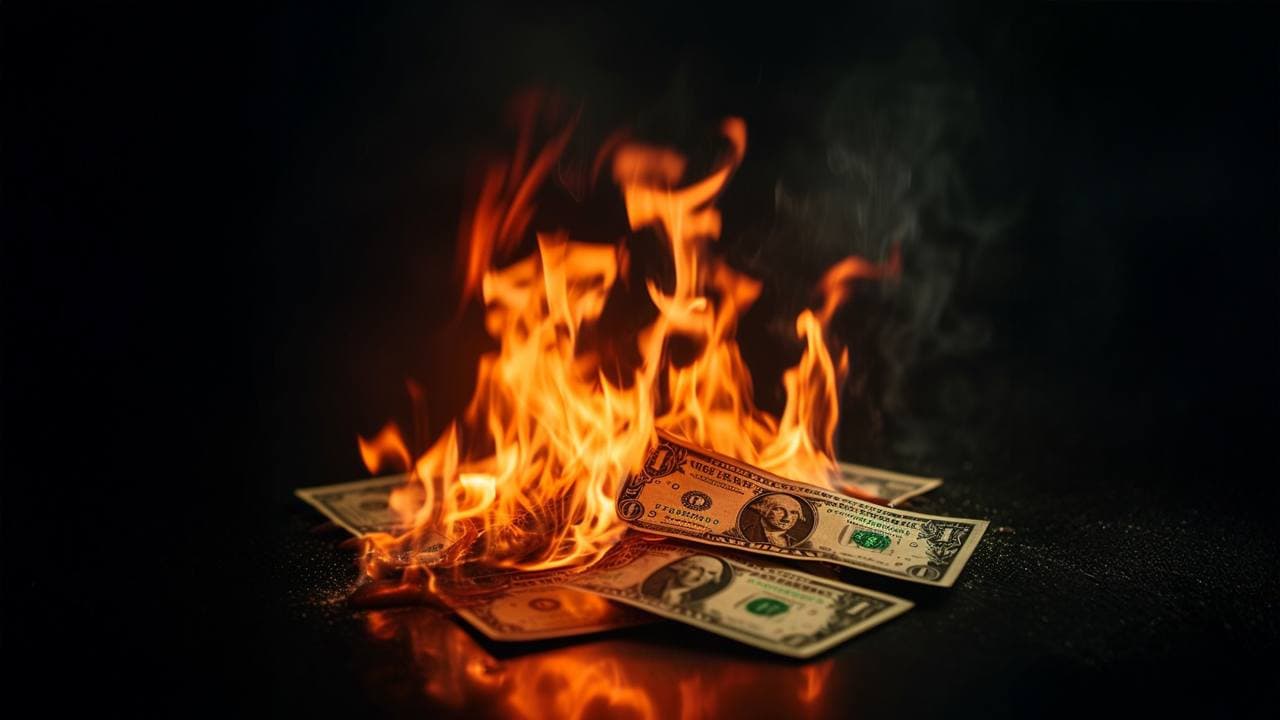
$7 Trillion Tipping Point: Dr. Jim Willie Says the U.S. Faces Debt Reckoning
This debt renewal, where old debts are swapped for new ones, coincides with climbing interest rates that could jack up borrowing costs. In a recent X post, Dr. Jim Willie envisions this leading to a domino effect of credit markets clamping down and economic pressure mounting, not just in the U.S. but rippling through the global financial network.
A fleeting spike in the U.S. dollar’s value might accompany this crisis, thanks to a rush towards what’s seen as a safe bet. However, Willie calls this a mirage—a brief respite before inflation starts to gnaw away at the buying power of paper money. He stresses that the U.S. Federal Reserve‘s strategy of printing more money to tackle the crisis might just send inflation spiraling out of control, shaking the world’s faith in paper currencies altogether.
He insists markets puffed up by easy credit are in jeopardy too. The financial analyst and editor of the “Hat Trick Letter,” expects real estate, stock portfolios, and high-end goods to face brutal corrections, possibly leading to a fire sale of specific assets. Willie predicts a wave of financial distress, with foreclosures and asset seizures hitting middle and lower-income families the hardest.
“Mass repossessions,” Willie wrote. “The credit binge is over. Homes, cars, and all financed assets will be repossessed in mass. The financial underclass will feel the pain first, but no one will be spared.”
Moreover, Willie sees trouble brewing in the banking sector, with banks dealing with a flood of defaults and waning trust. The global economic web means these issues could unsettle markets well beyond U.S. shores, stoking fears of a comprehensive economic overhaul.
While this crisis bodes ill for conventional investments, Willie points to gold and silver as potential sanctuaries. He believes these metals will hold their ground during economic chaos, providing a haven as currencies lose steam. His overarching advice is clear: being ready is key as we brace for what he calls an imminent financial shake-up.
As the U.S. wrestles with its debt dilemma, the ripple effects highlight just how delicate the global financial system truly is. The Trump administration, economists, and decision-makers are under the gun to patch up systemic weak spots before the anticipated 2025 crisis point hits.