


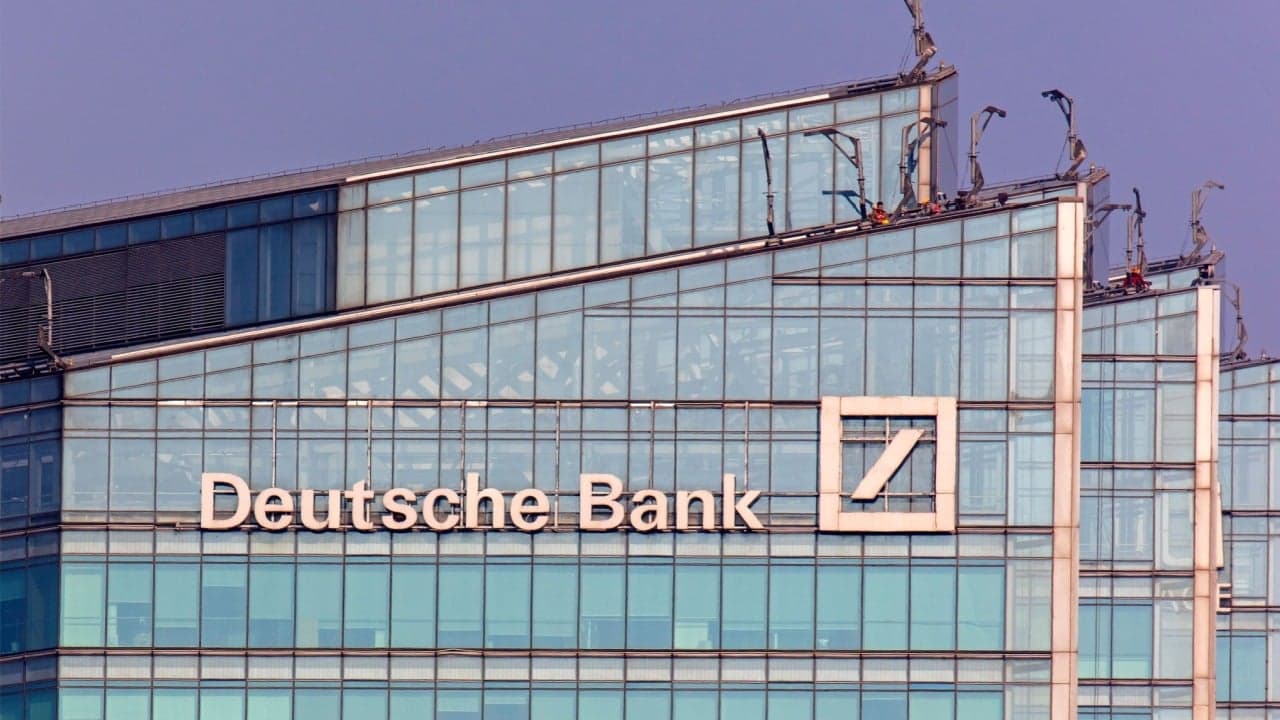
Deutsche Bank, founded in 1870, plans to start safeguarding bitcoin, ethereum, and selected stablecoins for institutional clients later in 2026. The 156-year-old German banking giant, which reported $2.217 trillion in assets under management (AUM) across its Private Bank and Asset Management businesses earlier this year, is preparing to manage wallets, private keys, and crypto transfers under Europe’s regulated banking framework.
Deutsche Bank Brings Bitcoin Custody to Europe's Institutional Set
WRITTEN BY

SHARE
Key Takeaways
- According to the bank’s announcement on Wednesday, Deutsche Bank plans bitcoin and ether custody later in 2026.
- Deutsche Bank reported $2.217 trillion in AUM as of June 30.
- BaFin clearance remains ahead before Deutsche Bank starts custody in Germany.
A 156-Year-Old Bank Is Getting the Bitcoin Keys
Deutsche Bank has spent more than a century and a half looking after other people’s money. Now it wants the private keys, too. On Wednesday, the Frankfurt banking giant said it plans to launch regulated digital-asset custody later this year. The bank aims to put bitcoin, ether, and selected stablecoins inside the same institutional machinery used by corporations, asset managers, hedge funds, brokers, and sovereign clients.
The scale makes the pairing hard to ignore. Deutsche Bank dates to 1870 and reported $2.217 trillion in AUM across its Private Bank and Asset Management businesses as of June 30. Now, bitcoin is headed into the vault.
The First Crypto Menu Is Deliberately Small
The initial lineup, according to the German lender, includes bitcoin, ether, USDC, EURC and EURAU, with tokenized financial instruments planned further down the road. Deutsche Bank will hold the assets for clients, manage wallets and private keys, and facilitate third-party transfers. Essentially, it means institutional customers won’t have to build the technological plumbing themselves.
The first rollout is expected in Germany and will target existing Corporate Bank and Investment Bank clients. Expansion won’t be automatic. New assets must clear demand checks, product approvals, risk reviews, and regulatory requirements before joining the menu.
Security, as it turns out, is where an old bank gets to sound like a crypto infrastructure company. Deutsche Bank outlined hardware-backed key generation, separate warm and cold storage, multi-person approvals, redundant systems, and controlled backup and recovery.
This Wasn’t an Overnight Crypto Conversion
The strange part is how long Deutsche Bank has been circling this moment. Its blockchain and crypto trail reaches back to 2015, when the bank called the technology an area of “particular interest and expertise.” It joined the R3 distributed-ledger consortium in 2016, had crypto custody on its agenda by late 2020, partnered with Swiss digital-asset firm Taurus in 2023, and applied for a German digital-asset custody license that same year.
By then, this wasn’t some experimental lab project anymore. Deutsche Bank’s majority-owned DWS also went further. Its Allunity venture with Flow Traders and Galaxy Digital secured a BaFin e-money license in July 2025 and launched EURAU, the euro token that now appears on Deutsche Bank’s planned custody list.
The Bank Still Needs the Green Light
Here’s the catch. Nobody is handing Deutsche Bank their BTC or ETH keys today. The service remains subject to the remaining regulatory process under Europe’s Markets in Crypto-Assets framework, and timing, geography, and supported assets can still change.
Deutsche Bank also isn’t alone. Standard Chartered and BBVA already offer institutional crypto custody, while Commerzbank secured a BaFin crypto-custody license in 2023. Still, there’s something almost circular about a bank founded 139 years before Bitcoin preparing to safeguard the asset alongside euros, securities and other institutional holdings. The experiment Deutsche Bank started exploring more than a decade ago is finally approaching the vault door.
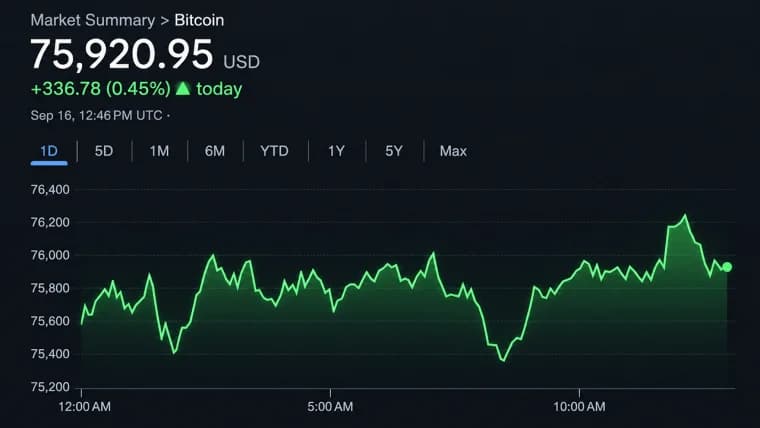
At 8:40 a.m., bitcoin's price is hovering around $75,879 on Sept. 16, 2026, after a sharp intraday washout tested $74,913…
Read Now: Bitcoin Price Clings to $75K After a Nasty $74,913 Shakeout