


Federal Reserve scraps crypto-specific bank rules, replacing them with a principles-based framework that eases regulatory friction, expands flexibility for state member banks, and reopens pathways for crypto custody, payments, and tokenization.
Fed Rolls Back 2023 Crypto Rules, Shifting How Banks Assess Digital Asset Exposure
WRITTEN BY

SHARE
Federal Reserve Ditches 2023 Crypto Rulebook, Reworking Bank Risk Assessment
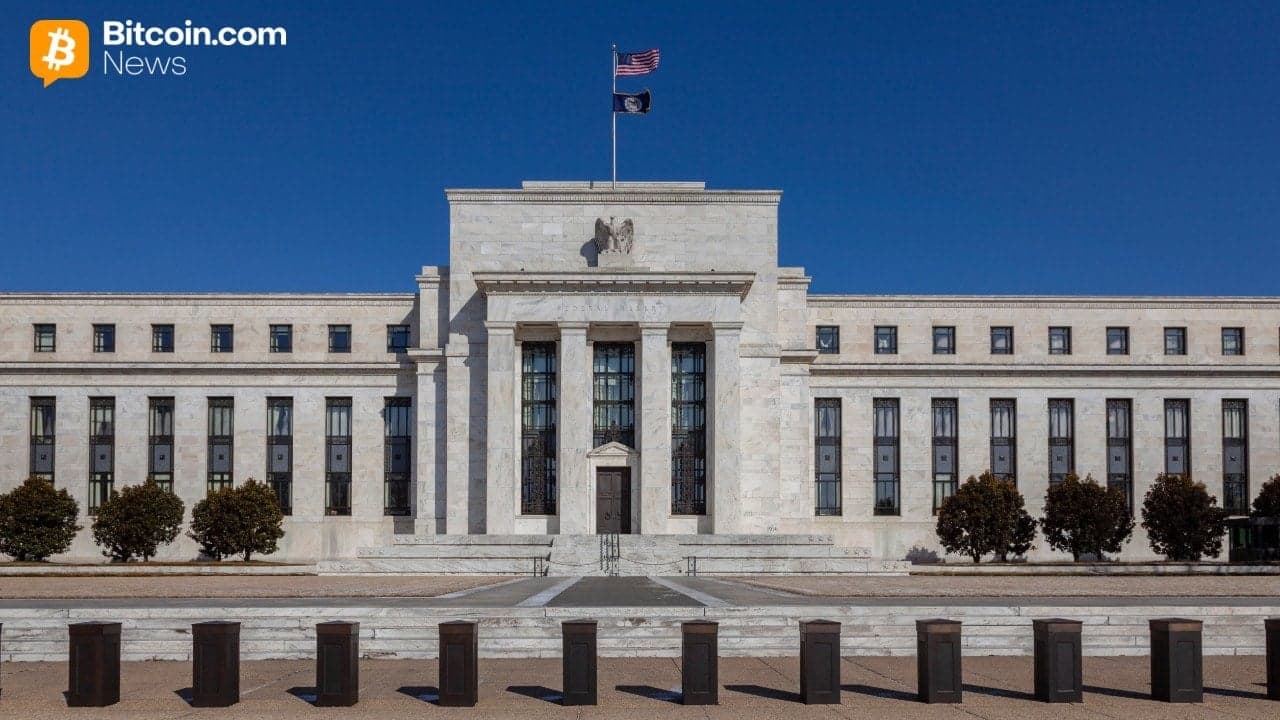
The Federal Reserve announced on Dec. 17 that the Board of Governors rescinded its 2023 policy statement governing state member bank activities and replaced it with a new framework that directly affects how banks engage with crypto-related activities.
The announcement states that the Board reconsidered its earlier approach because the 2023 policy had explicitly addressed “novel and unprecedented” activities, including crypto-related services, through heightened presumptions and supervisory expectations. The Fed policy statement affirms:
The Board believes these statements are no longer appropriate given its evolving understanding of the risks of the crypto-asset sector and its desire to facilitate innovation in a manner consistent with safety and soundness and preserving the stability of the U.S. financial system.
By rescinding the prior guidance in full, the Board also withdrew supplementary material that had discussed how section 9(13) of the Federal Reserve Act would apply to specific crypto-asset activities.
The replacement policy removes crypto-focused examples and adopts a principles-based standard built around “same activity, same risks, same regulation,” signaling a shift away from treating crypto as categorically novel. The revised framework reshapes how banks assess and pursue crypto exposure. Insured state member banks remain subject to section 24 of the Federal Deposit Insurance Act and must still seek Federal Deposit Insurance Corporation approval for crypto activities not permissible for national banks.
Read more: Fed Kills Crypto Crackdown Program With Quiet Bomb Drop on Banking Oversight
However, the removal of crypto-specific presumptions gives banks greater flexibility to evaluate services such as digital asset custody, tokenization infrastructure, and blockchain-based payments under existing authorities. For uninsured state member banks, the policy clarifies a pathway to request Board permission for crypto-related activities, with reviews focused on liquidity, internal controls, loss-absorbing capacity, and resolution planning rather than the underlying technology.
Market participants also link the policy shift to the Federal Reserve’s dispute with Custodia Bank. The rescinded 2023 interpretation of section 9(13) was widely viewed as an “anti-Custodia” rule because it constrained state member banks, including Wyoming special purpose depository institutions, to national bank activity limits. By withdrawing that statement, the Board removed a key regulatory barrier that had been used to characterize crypto-native business models as presumptively impermissible. The new policy’s distinction between insured and uninsured state member banks creates a clearer avenue for uninsured institutions such as Custodia to pursue crypto-focused activities under a safety and soundness framework.
FAQ ⏰
- What did the Federal Reserve change in its crypto banking policy?
The Fed rescinded its 2023 guidance and replaced it with a principles-based framework for crypto-related bank activities. - How does the new Fed framework affect state member banks and crypto?
It removes crypto-specific presumptions and allows banks to assess activities under existing authorities. - Why is Custodia Bank linked to the Fed’s policy shift?
The rescinded interpretation was viewed as limiting Custodia’s crypto-native banking model. - Do banks still need approval for certain crypto activities?
Yes, insured state member banks must still seek FDIC approval for non-permissible activities.