


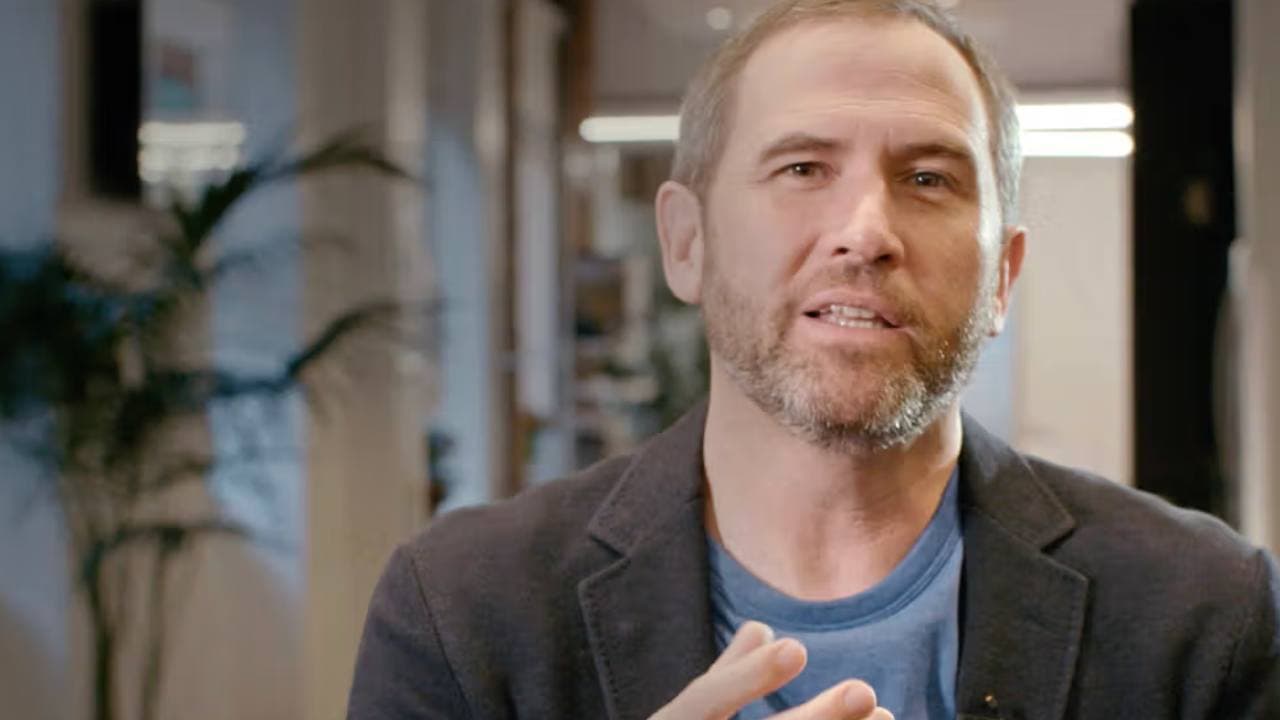
Ripple CEO Brad Garlinghouse says there is still reason for optimism about U.S. crypto after the CLARITY Act failed to advance, pointing to continued SEC and CFTC rulemaking while stressing that the company’s business momentum remains intact.
Ripple CEO Sees Reason for Crypto Optimism After CLARITY Act Defeat
WRITTEN BY

SHARE
Key Takeaways
- Garlinghouse says there is still reason for optimism after the CLARITY Act failed to advance.
- He expects the SEC and CFTC to continue developing crypto rules.
- The CEO says the failed vote does not change the company’s momentum, customers or global footprint.
Garlinghouse Looks Beyond Failed Senate Vote
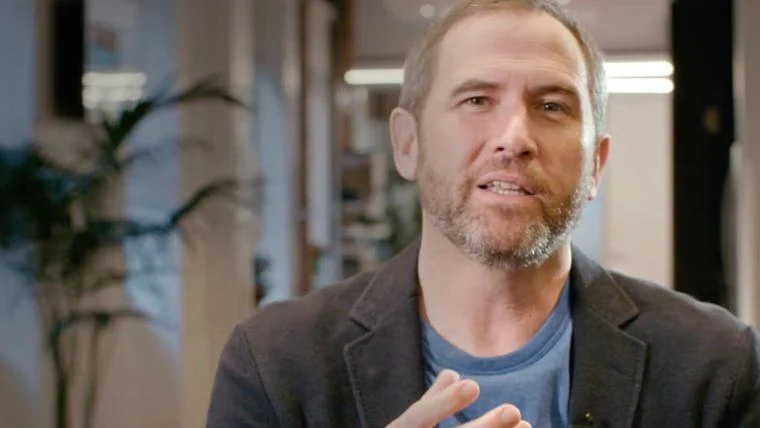
Ripple CEO Brad Garlinghouse is looking beyond Congress after the CLARITY Act failed to advance, arguing that the setback does not end efforts to establish clearer rules for U.S. crypto markets. The Senate rejected cloture on the motion to proceed to H.R. 3633, the Digital Asset Market Clarity Act, in a 49-50 vote on Sept. 15.
Garlinghouse had strongly supported the legislation before the vote, including backing Treasury Secretary Scott Bessent’s case for moving the bill forward. His pre-vote push for the CLARITY Act underscored how much importance the company placed on securing a federal market structure framework.
After the measure failed, the Ripple chief executive emphasized the scale of the effort behind it on X:
“Our team gave everything we had to get the Clarity Act across the finish line. So did most of the industry.”
He also wrote, “This one stings,” and called for a post-mortem to examine why the legislation failed. Garlinghouse blamed Democrats, writing that “the politics of the democrats (the anti-crypto army) was elevated over good policy.” His message then shifted toward what comes next.
SEC and CFTC Become the Next Focus
Garlinghouse pointed to federal regulators as the next major venue for U.S. crypto policy. He added:
“There is still reason for optimism for crypto in the United States. Now, the SEC, under Chair Atkins, and the CFTC, under Chair Selig, will continue to work hard to issue rules to fill the legislative gap and we will continue to be actively engaged in that rule making process.”
The outlook shifts attention from the failed congressional vote toward rulemaking at the Securities and Exchange Commission (SEC) and Commodity Futures Trading Commission (CFTC). Ripple made a similar point in its statement following the vote, saying attention would move toward both agencies while the U.S. digital asset market operates without a durable statutory framework.
That regulatory process affects an industry spanning multiple assets, networks and financial applications. Future SEC and CFTC rules could shape how cryptocurrencies and blockchain-based financial systems are treated across U.S. markets.
Ripple’s CEO Says Business Momentum Remains Intact
Garlinghouse paired his regulatory outlook with a direct assessment of the company’s commercial trajectory:
“Ripple’s business has never been stronger — real demand across traditional finance and the digital asset ecosystem. A missed vote in Washington doesn’t change our momentum, our global footprint, or our customers.”
The company has been positioning Ripple USD (RLUSD) for broader institutional use while highlighting how stablecoin regulation affects institutions evaluating the asset. That effort is aimed at exchanges, payment providers, and fintechs integrating a stablecoin into settlement, custody, or treasury operations.
It has also highlighted a proposed XRPL lending protocol for institutional onchain credit, extending its focus into institutional credit infrastructure. The proposal is aimed at bringing borrowing and lending activity onto the XRP Ledger, potentially giving financial institutions another channel for accessing blockchain-based credit markets while expanding the network’s role beyond payments and settlement.
Ripple CEO Brad Garlinghouse renewed his call for U.S. crypto leadership after joining industry executives and federal regulators at the…
Read Now: Ripple CEO Says US Crypto Capital Goal Is Now ‘Within Reach’