The Nigerian government’s crackdown on cryptocurrency exchanges, including its targeting of Binance, has prompted some cryptocurrency firms to reconsider plans to either enter or further invest in the West African nation. A founder of a cryptocurrency exchange stated that the crackdown on Binance raises questions about the fundamental rule of law necessary for any society to function effectively.
Experts: Nigeria’s Binance Crackdown Shakes Investor Confidence

This article was published more than a year ago. Some information may no longer be current.
WRITTEN BY

SHARE
Binance Crackdown Shakes Investor Confidence
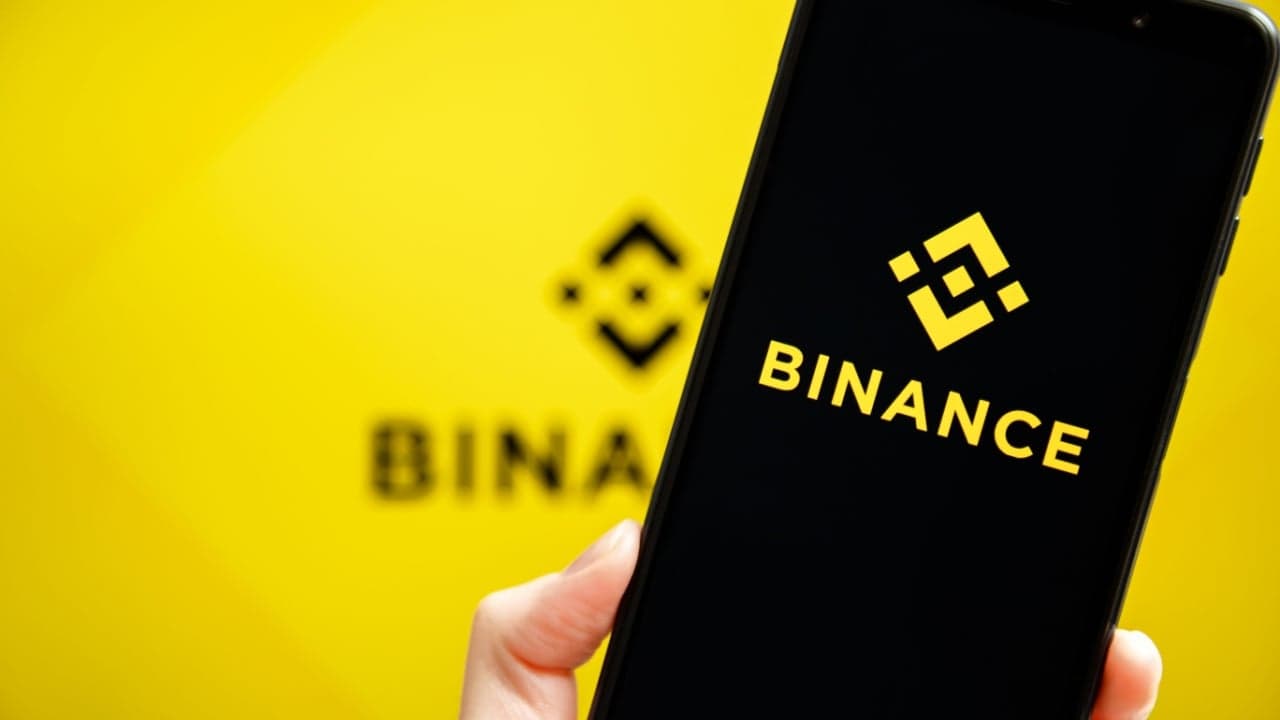
While Nigerian authorities have justified their crackdown on Binance and crypto platforms in particular, according to experts the move has unfortunately led crypto firms to reconsider plans to either enter or further invest in the West African country. The crackdown, which began just a few months after the central bank lifted its indirect ban on crypto activities, is seen by some as a regressive step for Nigeria.
As reported by Bitcoin.com News, Nigerian authorities have detained Binance executives and charged the crypto exchange with tax evasion. Although Binance has expressed its willingness to engage with the Nigerian government, it has reportedly refused to comply with a key demand — releasing the names of Nigerian users.
The Nigerian government, struggling to contain the local currency’s depreciation, blamed currency speculators on Binance for the naira’s rapid fall in late February. To counter these speculators and other alleged economic saboteurs, Nigerian authorities have announced new monetary policy measures aimed at halting the depreciation. This is in addition to instructing the country’s telecoms regulator to restrict access to crypto exchanges.
While these measures, including the crackdown on crypto platforms, appear to have successfully reversed the naira’s slide, some believe the implications for Nigeria will be significant. Farzam Ehsani, co-founder and CEO of Valr, one of Africa’s top crypto exchanges, told Bitcoin.com News that the actions taken by Nigerian authorities extend beyond merely affecting the confidence of crypto investors.
“As of today, some Binance executives in Nigeria have been charged with what seem to be spurious allegations which is a very worrying state of affairs that has ramifications far beyond the crypto industry in Nigeria: What has transpired calls into question the very fundamental rule of law that is required for any society to function effectively,” Ehsani asserted.
Cryptocurrency Industry Must Find ‘Moderate Middle Ground’
While many in the African cryptocurrency world seem to share the frustrations of Valr’s CEO, others, such as Leona Hioki, co-founder of the Ethereum Layer 2 platform, Intmax, believe the Nigerian government’s actions are not driven by malice. Instead, Hioki argues that the crackdown could be because the government wants all players, including Binance, to comply with regulations.
Hioki, a well-known Ethereum researcher in Japan, said this understanding of what may be influencing the Nigerian government is why Intmax, unlike others, is not leaving the country.
“Some friends even advised us against going at such a time, especially since we arrived in Nigeria just two weeks after the news about Binance broke. [However], we recognize that the Nigerian government is actively working to strike a balance between innovation and regulation,” the Intmax CEO said.
However, similar to the CEO of Valr, Hioki acknowledged the potential of cryptocurrency in Nigeria and the importance of fostering its use rather than stifling it. Nevertheless, to ensure this is achieved, Hioki urged the cryptocurrency industry to explore better trade-offs or find moderate middle grounds that are not extreme.
Register your email here to get a weekly update on African news sent to your inbox:
What are your thoughts on this story? Let us know what you think in the comments section below.