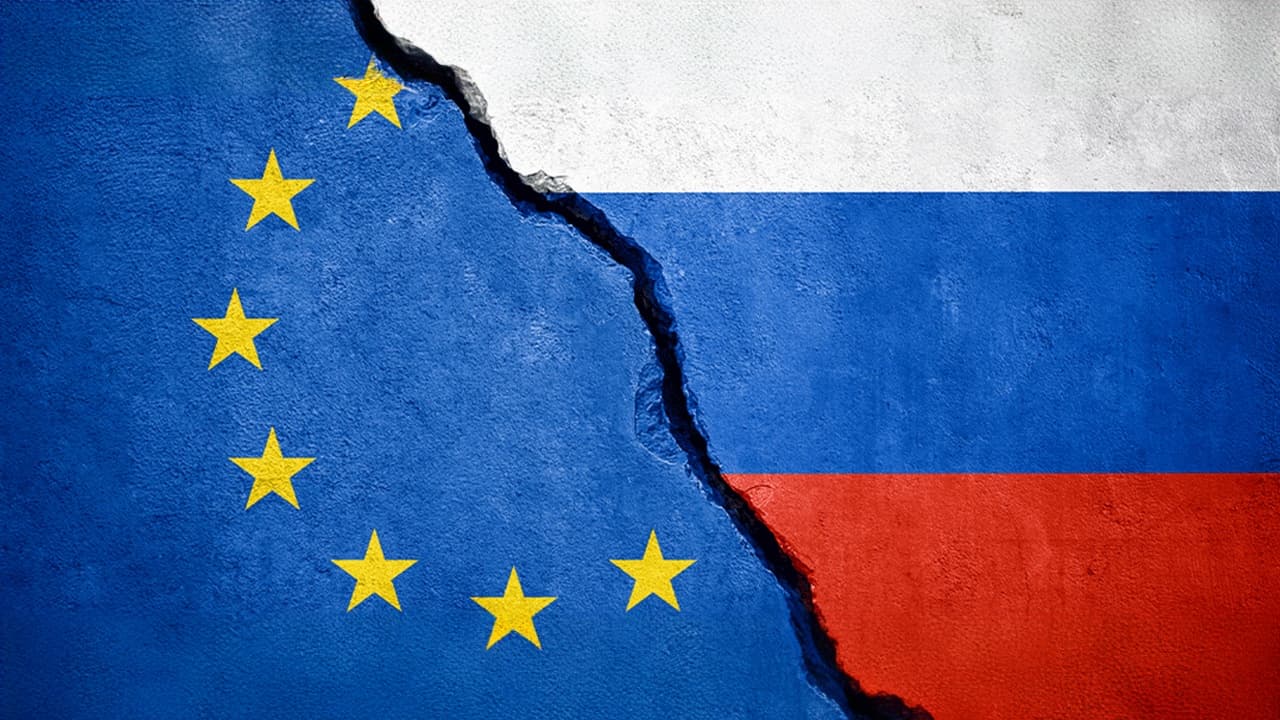
The most recent European Union sanctions against the Kremlin prohibit Eurozone operators from engaging with crypto asset providers that facilitate transactions supporting Russia’s defence-industrial base. Additionally, the new sanctions regime forbids Eurozone operators from utilizing the Russian-developed System for Transfer of Financial Messages (SPFS). These restrictive measures also focus on tankers associated with “Putin’s dark fleet,” which have been accused of aiding Russia in circumventing sanctions.
EU Targets Crypto Asset Providers Accused of Aiding Russia in Warfare Against Ukraine

This article was published more than a year ago. Some information may no longer be current.
WRITTEN BY

SHARE
Use of Russia’s SWIFT Alternative Outlawed
According to the latest round of the European Union (EU) sanctions package against Russia, Eurozone operators are now prohibited from engaging with crypto asset service providers that facilitate transactions supporting Russia’s defence-industrial base. These restricted transactions pertain to the export, supply, sale, or transfer of “dual-use goods and technology,” sensitive items, battlefield goods, firearms, and ammunition to Russia.
In a press statement issued on June 24, the EU Council also announced the prohibition of Russia’s alternate cross-border payment system, known as the System for Transfer of Financial Messages (SPFS). Russia developed this system as part of its efforts to mitigate the impact of sanctions on its economy and address its exclusion from the Society for Worldwide Interbank Financial Telecommunication (SWIFT).
“EU entities operating outside of Russia will be forbidden from connecting to the SPFS or equivalent specialised financial messaging services,” the EU Council said.
To cripple the Russian economy following its invasion of Ukraine, the United States, along with the EU and other Western countries, approved Moscow’s removal from SWIFT. Additionally, hundreds of billions of dollars of Russian funds in Western banks were seized.
Putin’s Dark Fleet Targeted
Nevertheless, Russia has persisted in trading and using its revenues to finance its war effort. Certain Western observers contend that Russia has managed to survive by employing methods, including the SPFS, to evade sanctions. These observers also allege that several Eastern countries, including Kazakhstan and Kyrgyzstan, are assisting Russia in its ongoing efforts to counter sanctions.
In response to these allegations, the EU announced that it has implemented a measure targeting specific vessels involved in Russia’s warfare against Ukraine. This measure specifically focuses on tankers comprising “Putin’s dark fleet,” which allegedly facilitate Russia’s evasion of EU and Price Cap Coalition restrictions.
According to the statement, approximately 27 vessels have been singled out based on these criteria. The Council further disclosed that 61 new entities have been included in the list of those directly supporting Russia’s military and industrial complex in its aggressive war against Ukraine.
What are your thoughts on the EU’s latest sanctions against Russia? Share your opinions in the comments section below.