The European Union and India announce a landmark free‑trade agreement to deepen economic and strategic ties.
EU and India Seal Historic Free Trade Deal, Signal Strategic Economic Shift
WRITTEN BY

SHARE
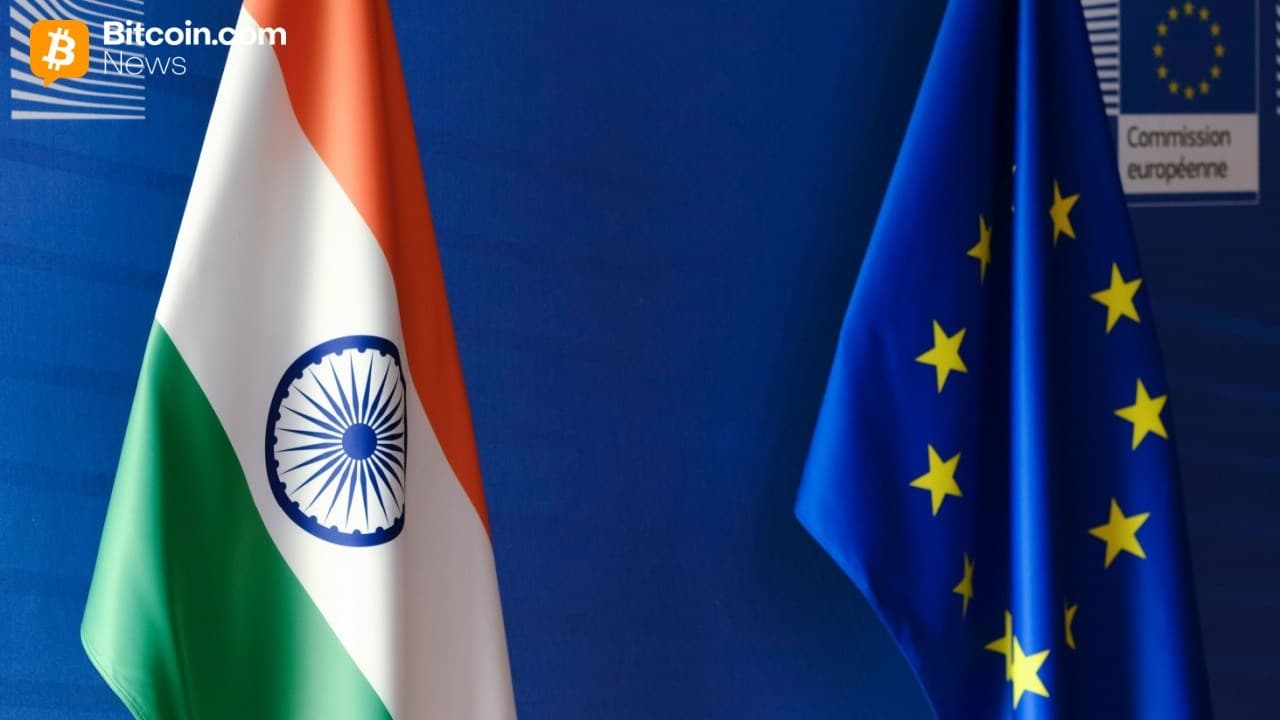
European Commission President Ursula von der Leyen and European Council President António Costa meet Indian Prime Minister Narendra Modi in Delhi and unveil a near‑final pact after nearly two decades of talks, announcing phased tariff eliminations on most chemicals, machinery, electrical equipment, aircraft and spacecraft and cuts on motor vehicle duties to 10% within a 250,000‑vehicle quota; leaders say a formal signing will follow European Parliament and Council approvals later this year. The deal covers the EU’s 27 member states and India, jointly representing about 25% of global GDP and a market of two billion people, and includes a mobility framework easing short‑term professional travel between India and the EU.
The agreement matters because it significantly expands market access, lowers costs for European imports into India and grants preferential access for almost all Indian exports—including textiles, leather, marine products and gems—while protecting sensitive Indian sectors such as dairy, cereals and certain fruits; it also aims to boost investment flows, supply‑chain integration and cooperation on security, defense and climate action. Von der Leyen calls it “the tale of two giants,” Modi labels it “historic,” and officials note the pact sends a political signal amid rising global protectionism, with implementation subject to EU ratification and pending formal signatures.
Read More: EU and Mercosur Sign Historic Free Trade Agreement
🧭 FAQs
• What did the EU and India announce in Delhi? A landmark free‑trade agreement to reduce tariffs and expand market access.
• When will the deal take effect across the EU and India? Formal signing and implementation follow European Parliament and Council approvals later this year.
• Which goods see major tariff cuts for EU exporters? Chemicals, machinery, electrical equipment, aircraft and motor vehicles into India.
• How does the pact affect Indian exporters to the EU? Almost all Indian exports gain preferential access, notably textiles and marine products.