


Elliptic says Iran’s central bank quietly accumulated more than $500 million in dollar-backed stablecoins, using blockchain infrastructure to bypass sanctions and stabilize its collapsing currency.
Elliptic Says Iran’s Central Bank Quietly Built a $500M Stablecoin War Chest
WRITTEN BY

SHARE
Blockchain Analysis Firm Believes Stablecoins Bolster Iran’s Shadow System
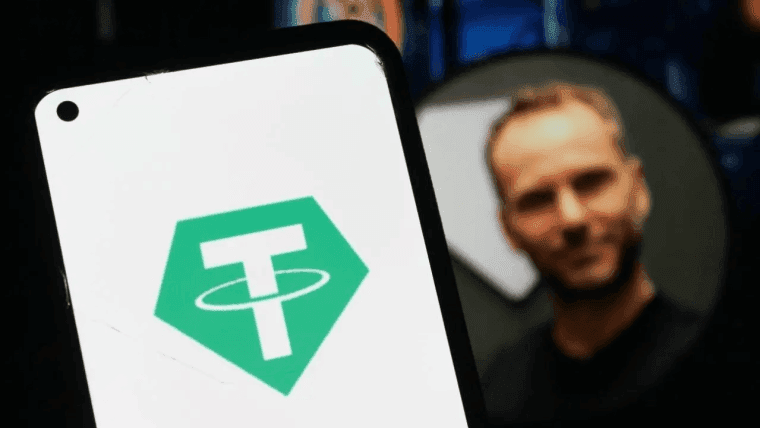
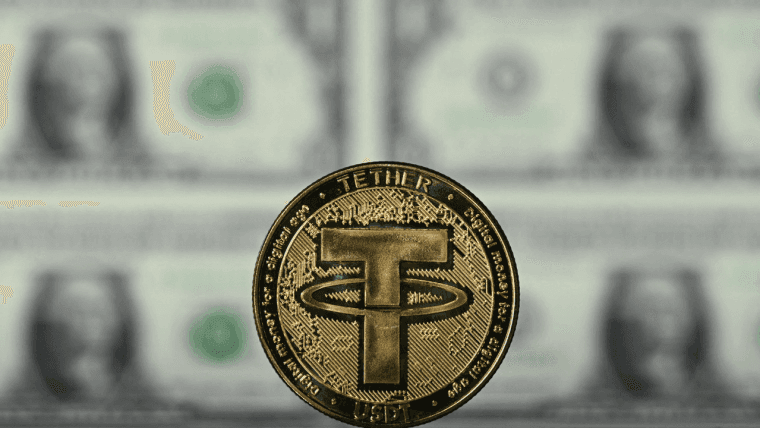
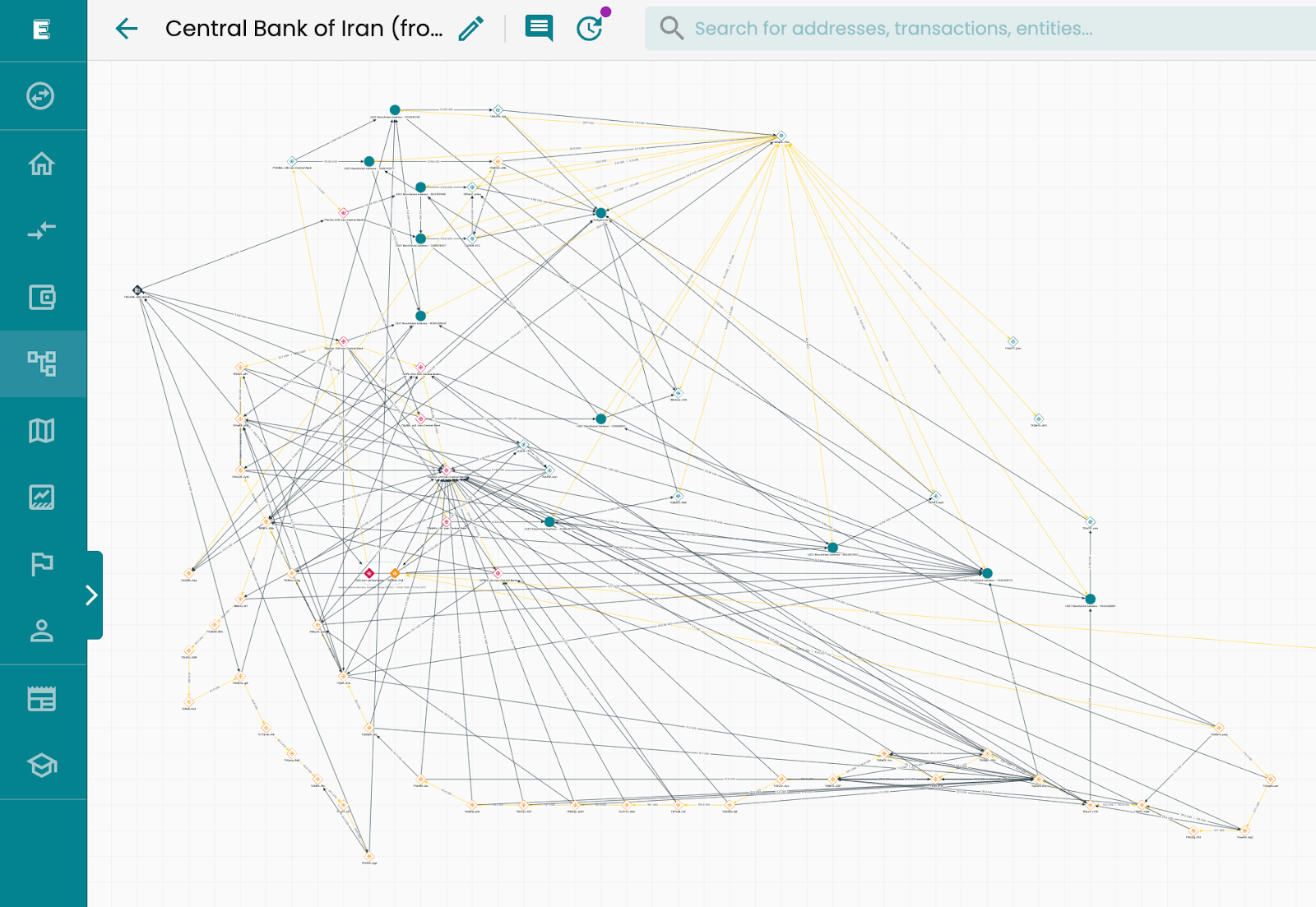
According to a new investigation from Elliptic, the Central Bank of Iran (CBI) acquired at least $507 million in USDT, the U.S. dollar-backed stablecoin issued by Tether. The findings come from onchain analysis led by Elliptic chief scientist and co-founder Dr. Tom Robinson, who mapped a network of wallets attributed to the CBI with a high degree of confidence.
Elliptic’s report notes the figure represents a lower bound, as only wallets conclusively linked to the central bank were included. The analysis shows the USDT was initially routed through Nobitex, Iran’s largest cryptocurrency exchange, where it could be stored, traded, or sold for rials.
The activity intensified during a period of extreme currency stress, when the rial lost roughly half its value in eight months. Elliptic believes the CBI likely used stablecoins to inject dollar liquidity into domestic markets, effectively replicating open-market operations that sanctions otherwise prevent.
In June 2025, Elliptic observed a sharp operational shift. Following a high-profile hack of Nobitex by a pro-Israel group, the flow of funds moved away from Iranian exchanges and toward a cross-chain bridge, transferring assets from Tron to Ethereum. From there, Elliptic tracked conversions through decentralized exchanges (DEX) and centralized exchange (CEX) platforms, a process that continued through the end of 2025.
Also read: David Sacks and Eric Trump Weigh In at Davos as Senate Delay Stalls CLARITY Act
Elliptic says the strategy appears to go beyond currency defense. Robinson describes the system as a form of “digital off-book eurodollars,” allowing Iran to hold and move dollar value outside the traditional banking system. This structure supports a closed-loop trade mechanism authorized in 2022, enabling imports and exports to settle in synthetic dollars while avoiding seizure risk.
Despite its intent, Elliptic stresses that the activity is not invisible. Because stablecoins operate on public blockchains, Elliptic’s tools can trace flows and identify sanctioned actors. The firm notes that Tether has already frozen millions of USDT tokens linked to CBI wallets, pointing to how centralized blockchain architecture can strengthen sanctions enforcement.
FAQ 🇮🇷
- How much USDT did Iran’s central bank acquire?
Elliptic estimates at least $507 million in USDT based on attributed wallets. - Why did Iran use stablecoins?
Elliptic says USDT offered a way to stabilize the rial and settle trade under sanctions. - Which blockchains were involved?
Elliptic tracked activity across Tron, Ethereum, and multiple bridges and exchanges. - Can this activity be stopped?
Elliptic notes that stablecoin issuers and CEX platforms can freeze or block sanctioned wallets. But that brings ethical complications into the issue and nuance.