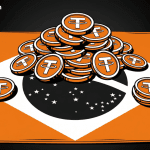



While Congress prepares to consider Bill 4308/2024 to regulate the status of stablecoins, the cryptocurrency industry opposes designating them as electronic money, advocating for maintaining the current status of virtual assets, as they lack the elements of traditional currency.
Electronic Money or Digital Asset? Brazil Sparks Intense Debate Over Stablecoin Regulation
WRITTEN BY

SHARE
Key Takeaways
- Jadyel Alencar called a public hearing on Bill 4308/2024 to determine Brazil’s stablecoin regulation.
- Abcripto urged keeping stablecoins as digital assets to shield the local market from EU-style rules.
- Julia Rosin backed central bank oversight and opposed the electronic money taxonomy to align with international jurisdictions.
Brazil’s Crypto Industry Opposes Stablecoin Designation As Virtual Currency
While stablecoins have become immensely popular in Brazil, regulation is still developing, spurring a debate on their possible classification as electronic money.
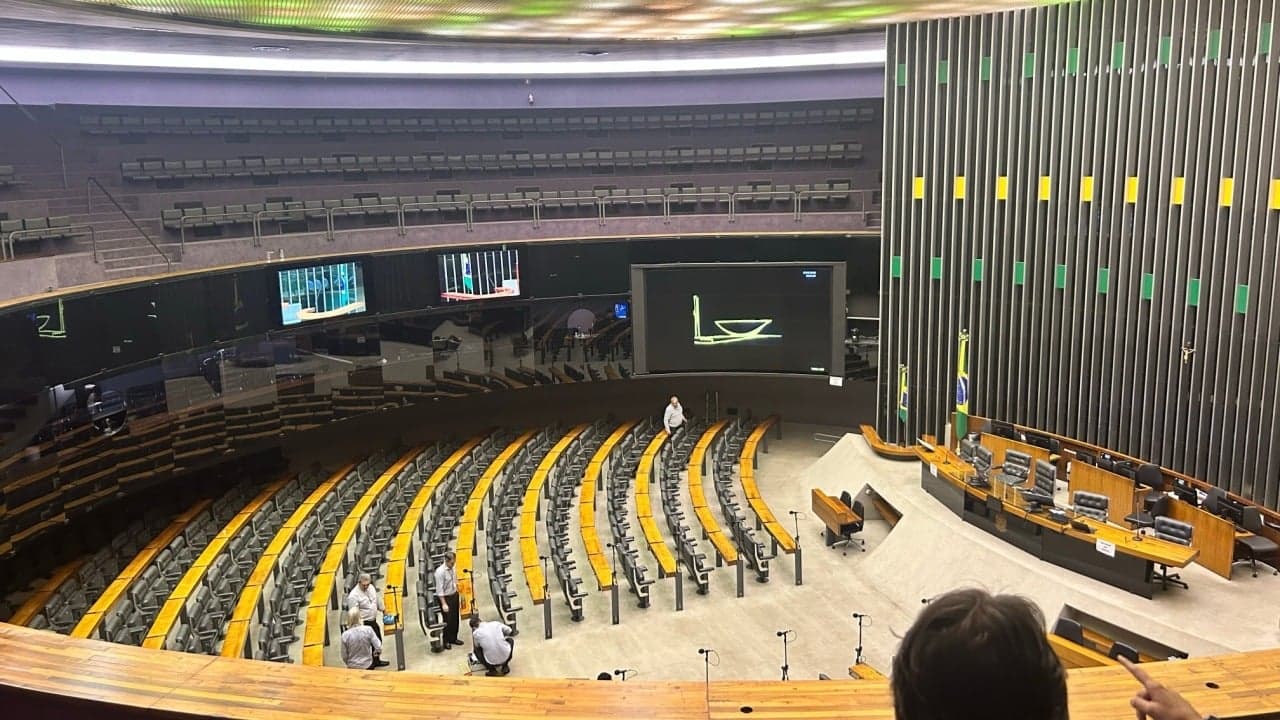
While Bill 4308/2024 was introduced in 2024 by Deputy Aureo Ribeiro to regulate stablecoins and their issuance and use in Brazil, Congress will consider this initiative in a public hearing at the request of Rapporteur Jadyel Alencar.
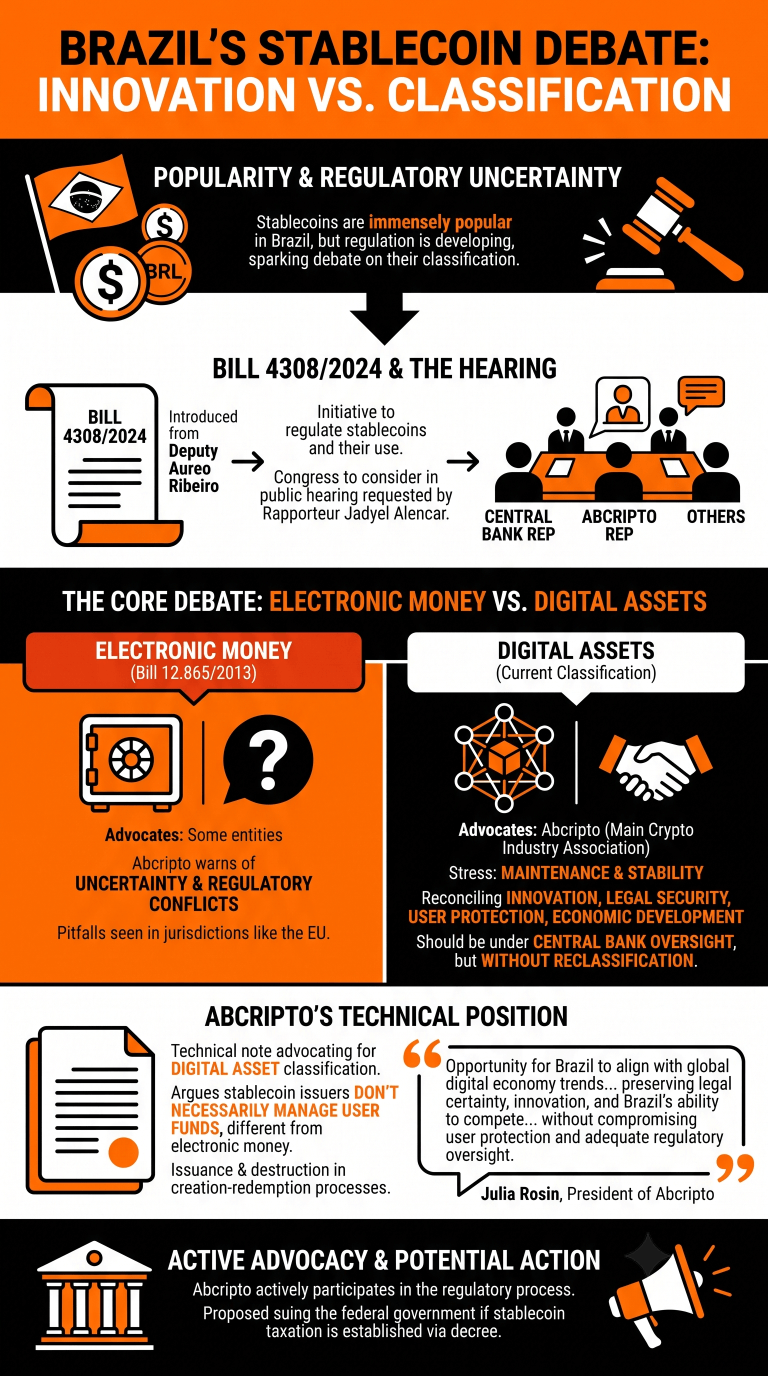
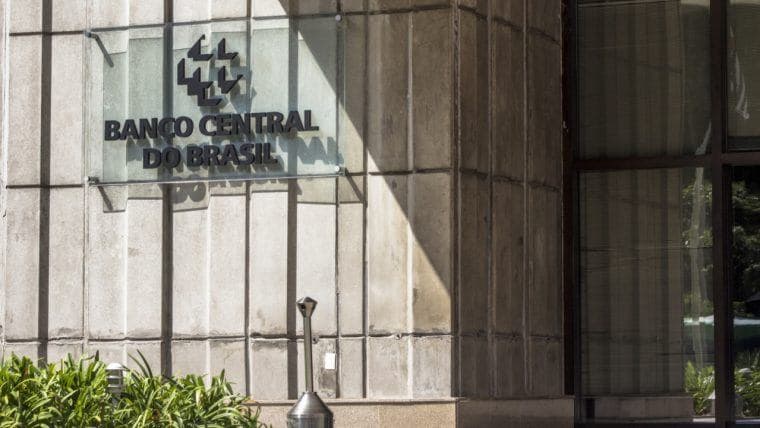
The hearing, which will have the presence of a representative from the central bank, a representative from Abcripto, and others, will allow deputies to obtain a qualified opinion for the analysis of the matter, ensuring that the eventual regulatory framework for stablecoins is capable of reconciling innovation, legal security, user protection, and economic development.
Abcripto, the main crypto industry association in Brazil, introduced a technical note advocating for maintaining the current classification of stablecoins as digital assets, stressing that considering stablecoins as electronic money would introduce uncertainty and regulatory conflicts.
The association believes that stablecoins should be under the oversight of the central bank, but without changing their classification. Stablecoin issuers don’t necessarily manage user funds and just issue and destroy tokens in creation-redemption processes. The organization argues that this differs from electronic money, which is currently regulated by Bill 12.865/2013 and is treated differently.
Julia Rosin, President of Abcripto, stressed that this is an opportunity for Brazil to align with global digital economy trends and avoid the pitfalls that jurisdictions that have chosen to classify stablecoins as electronic money, like the European Union, face.
“Our contribution seeks to offer technical support for the improvement of the project, preserving legal certainty, innovation, and Brazil’s ability to compete in an increasingly internationalized market, without compromising user protection and adequate regulatory oversight,” she declared.
Abcripto has maintained an active participation in the regulatory process around stablecoins, even proposing to sue the federal government if it establishes stablecoin taxation via decree back in January.

According to data released by the Central Bank of Brazil, stablecoin purchases comprised $6.8 billion of the $6.9 billion in…
Read Now: Central Bank of Brazil: Stablecoins Dominate Over $6.9 Billion Crypto Purchases Registered in Q1