As America’s 2024 election approaches, the U.S. Federal Reserve’s Federal Open Market Committee will make a pivotal decision on the benchmark interest rate just two days later.
Election Looms, But the Fed's Rate Decision Could Steal the Spotlight

This article was published more than a year ago. Some information may no longer be current.
WRITTEN BY

SHARE
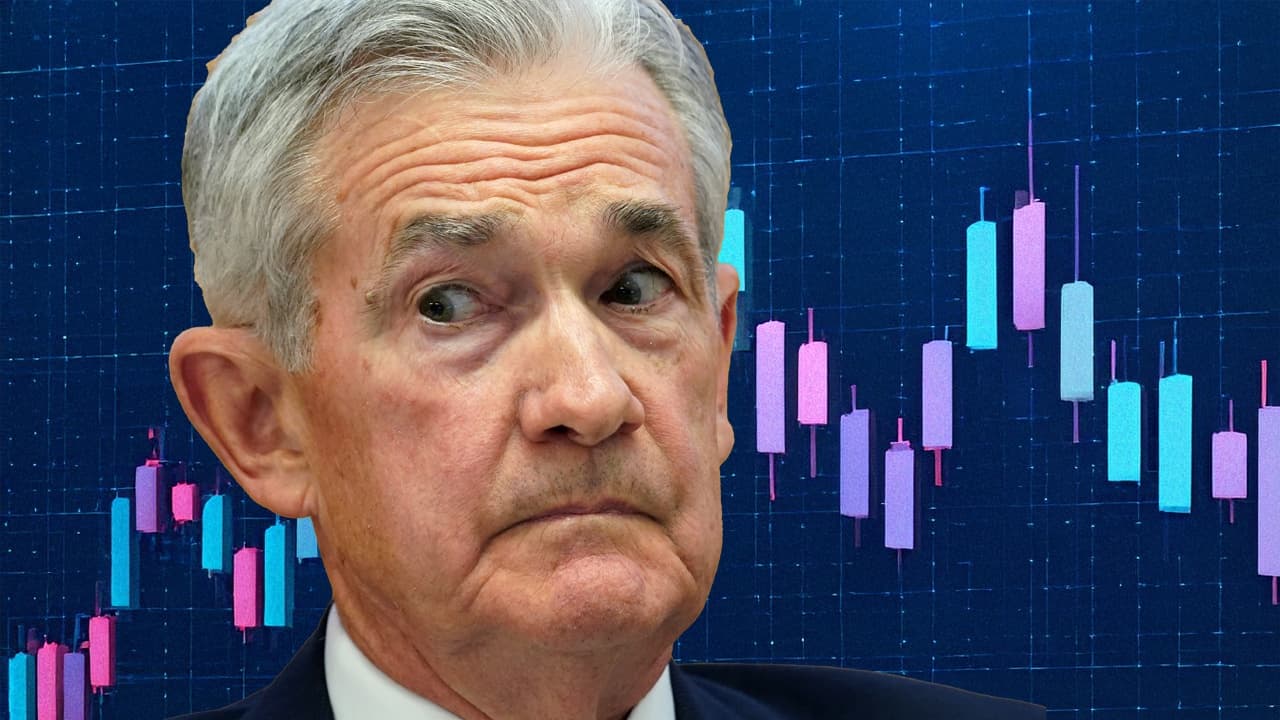
A Quarter-Point Rate Cut? Fedwatch and Bettors Reveal the Odds
Aside from the suspense of who will claim victory as the next U.S. president—a verdict that might not arrive on Election Night—the U.S. central bank’s decision on the federal funds rate (FFR) is slated for Nov. 7. The Fed’s FFR is the barometer for interest rates across the country, and it’s widely anticipated that a cut will emerge from the upcoming meeting. As of Oct. 30 at 8:30 a.m. ET, CME’s Fedwatch tool, grounded in futures markets, places a quarter-point cut at a 99% likelihood.
According to the Fedwatch tool, there’s only a 1% chance rates will remain unchanged, with no expectation for a half or three-quarter-point cut. The Fedwatch tool, highly regarded in financial circles, isn’t foolproof in rate predictions; in 2023, for example, its year-end rate forecasts missed the mark as economic conditions shifted. Even so, the tool maintains a strong track record.
Meanwhile, bettors on Polymarket are assigning an 86% chance for a quarter-point cut as of Oct. 30 at 8:30 a.m. ET. Polymarket’s odds for a half-point cut sit at 5%, while no change holds at 10%. Over at Kalshi.com, the betting crowd gives a quarter-point cut an 85% probability, a larger cut at 3%, and pegs no change odds at 11%. As anticipation builds for the Federal Reserve’s forthcoming decision, markets and prediction platforms are closely aligned, reflecting strong confidence in a quarter-point cut.
However, uncertainties linger given the unpredictable dynamics that can shift economic expectations, reminding observers that data-backed predictions are not certainties. This convergence of election outcomes and economic policy decisions affirms the current high stakes, with both events likely shaping public and financial sentiment long after November 7, as the nation navigates its future economic course.