U.S. presidential candidate and former 45th President Donald Trump has been proposing the idea of eliminating the country’s income tax and substituting it with tariffs.
Donald Trump Proposes Elimination of US Income Tax, Introduction of Tariffs

This article was published more than a year ago. Some information may no longer be current.
WRITTEN BY

SHARE
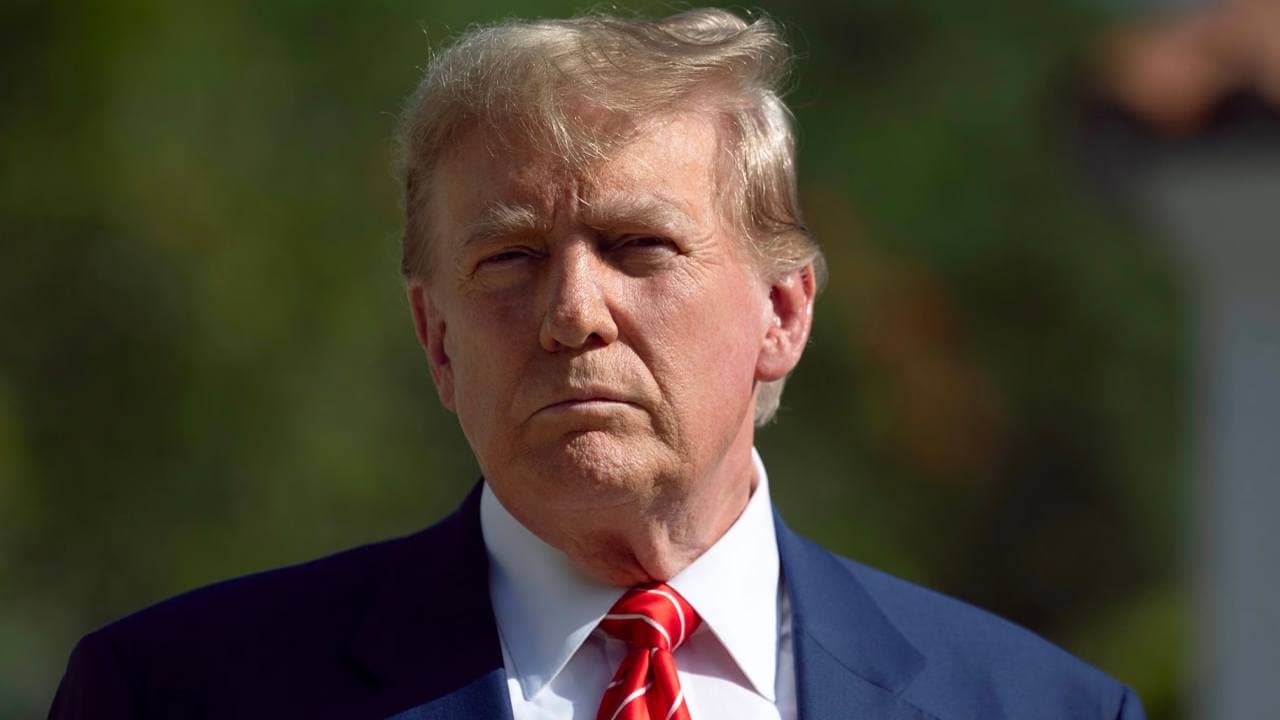
Trump Discusses Tariff-Based Revenue System With Republican Lawmakers
On June 13, Donald Trump met with Republican lawmakers in Washington and reportedly discussed abolishing income tax. According to sources from several news outlets, Trump considered replacing the federal income tax system with tariffs. Such a change would significantly alter the country’s revenue collection mechanism.
Eliminating income taxes would mean individuals and businesses would no longer pay taxes on their earnings, potentially boosting disposable income and stimulating consumer spending and business investment. The government, instead, would rely primarily on tariffs, taxes imposed on imported goods and services.
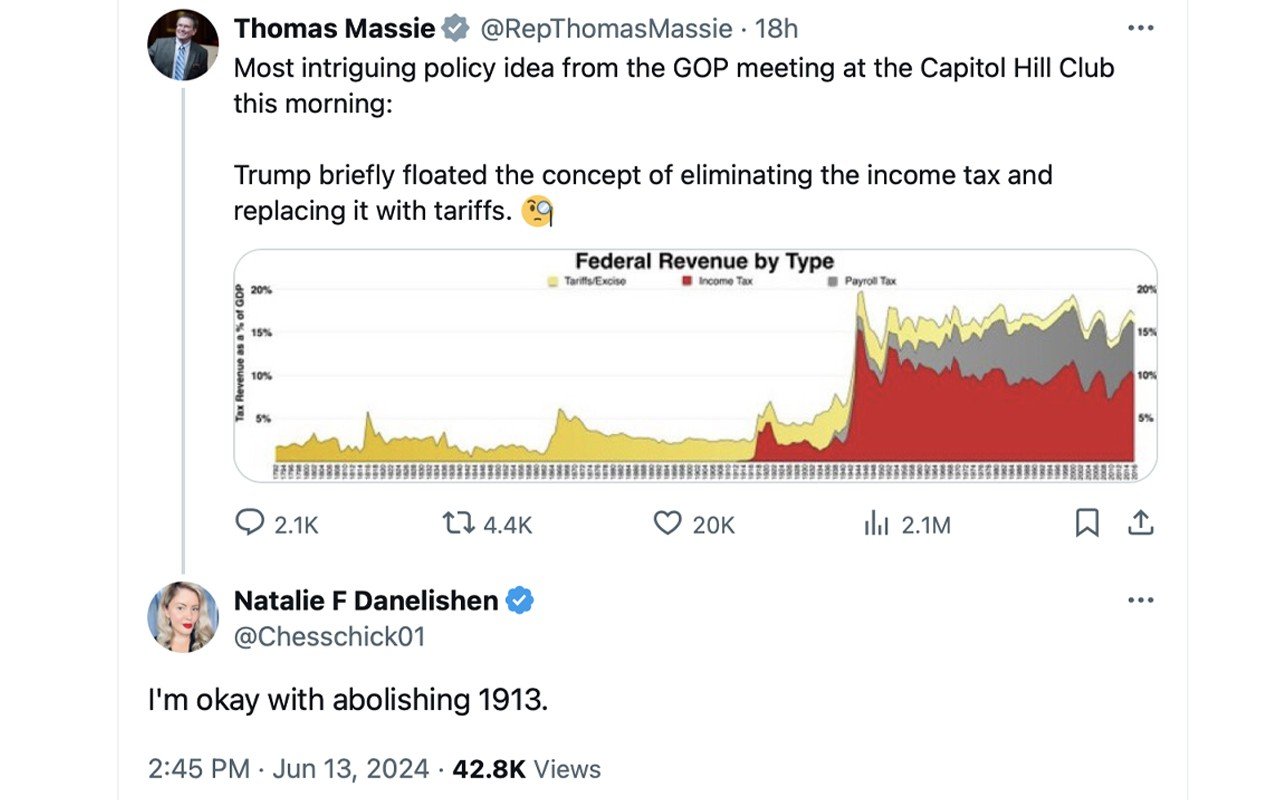
U.S. Representative for Kentucky’s 4th congressional district, Thomas Massie, confirmed Trump brought up the idea at the meeting. Massie remarked:
Most intriguing policy idea from the GOP meeting at the Capitol Hill Club this morning: Trump briefly floated the concept of eliminating the income tax and replacing it with tariffs.
Trump is not alone among Republican candidates in suggesting the elimination of income tax. In January, before Florida Governor Ron DeSantis exited the presidential race, he discussed the idea of abolishing the U.S. Internal Revenue Service (IRS). On CNN, DeSantis told Kaitlan Collins, “I would eliminate the IRS, have a single rate, and just do a flat tax.”
Former U.S. Representative from Texas, Ron Paul, also advocated for the abolition of the federal income tax during his presidential campaigns. Paul, a strong proponent of eliminating the income tax, argued that significant reductions in federal spending could enable the country to function without individual income taxes, relying instead on excise taxes and non-protectionist tariffs.
Throughout his 2008 and 2012 presidential campaigns, Paul consistently called for the abolition of the federal income tax as part of his broader platform to significantly reduce the size and scope of the federal government. It is important to note that Trump’s discussion was merely that—a discussion.
Whether this idea will come to fruition depends on his election success and subsequent plans to implement the concept. This bold proposal, echoing past suggestions from other GOP leaders, highlights a recurring theme within the party: rethinking the federal revenue structure.
What do you think about Trump bringing up the idea of eliminating income tax? Share your thoughts and opinions about this subject in the comments section below.