A Bloomberg report spotlights Deutsche Bank’s approach to tackling regulatory hurdles associated with public blockchains, introducing the layer two ( L2) pilot program, Project Dama 2.
Deutsche Bank Explores Ethereum With ZKsync Technology in New L2 Solution

This article was published more than a year ago. Some information may no longer be current.
WRITTEN BY

SHARE
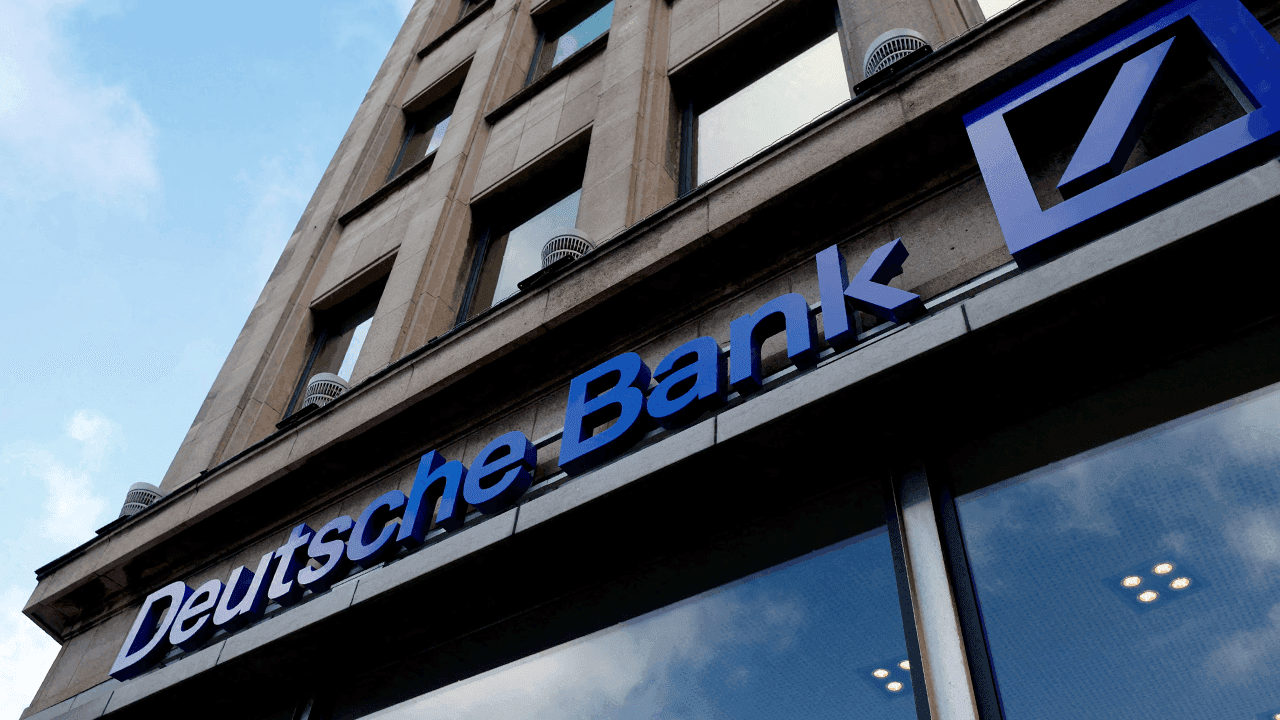
Layer 2 and ZKsync Tech at the Forefront of Deutsche Bank’s Blockchain Experiment
This initiative falls under Singapore’s Monetary Authority-led Project Guardian, diving into the world of blockchain to explore the magic of asset tokenization. The Dama 2 platform dances on an L2 solution, syncing up with the Ethereum blockchain, one of the go-to ledgers in the crypto realm.
In the report, Deutsche Bank’s Asia-Pacific applied innovation lead, Boon-Hiong Chan, shared that the platform is designed to dodge risks like dealing with sanctioned groups and handling potential splits in blockchain records. Public blockchains like Ethereum throw unique curveballs at regulated financial bodies.
Project Dama 2, as Chan notes to Bloomberg’s Ryan Weeks, uses a double-layered blockchain approach to tackle these woes, possibly handpicking validators and giving regulators a VIP pass to oversight.
In partnership with crypto firms like Memento Blockchain and Interop Labs, Dama 2 harnesses ZKsync tech. This setup aims to streamline transactions while slashing costs, all while keeping regulators happy without cramping banks’ style in their blockchain adventures.
The project mirrors a growing trend where old-school financial giants are getting a taste for blockchain, driven by the squeeze on profits. In the Bloomberg report, Chan hinted that platforms like Dama 2 might just be the key to unlocking new financial efficiencies, all while staying within the safe harbor of regulation.
Deutsche Bank is gearing up to launch a basic version next year, pending the green light from regulators. “You are not dependent on the Layer 1 for detailed transaction records anymore,” Chan told the reporter.