



Decentralized finance platform Jupiter has integrated its Gacha trading digital card platform directly into the mobile app, allowing users to buy, rip, and collect physical trading cards without leaving the application.
Jupiter Mobile Adds Physical Pokémon Card Ripping Feature
WRITTEN BY

SHARE
Key Takeaways
- Jupiter launched Gacha on its mobile app, enabling native trading card pack openings.
- The mobile app processed $575M in volume across 240,000 active 30-day users following the release.
- Jupiter plans to expand Jupiter Mobile beyond DeFi into physical asset collecting and Web3 consumer app.
Scaling Mobile Adoption
Jupiter, a decentralized finance (DeFi) platform on Solana, announced Monday that its rip-and-collect trading card product, Jupiter Gacha, is now natively integrated into its mobile application. The launch allows users to open packs and manage real, graded physical trading cards directly within the mobile app on iOS and Android.
The move integrates one of Jupiter’s fastest-growing products into its core consumer application. Jupiter Mobile has surpassed 1.68 million downloads across iOS and Android while logging 240,000 monthly active users. According to the platform, over the past 30 days, the app processed $575 million in trading volume and generated $770,000 in fees.
“Bringing Gacha natively into Jupiter Mobile reflects our commitment to delivering the best user experience,” said Thomas Stoffels, Head of Product at Jupiter Mobile. “It turns the app into a one-stop hub for all your collectibles, at your fingertips, any time. No more bouncing between apps or browser tabs, just 1 click away from your favourite collectible.”
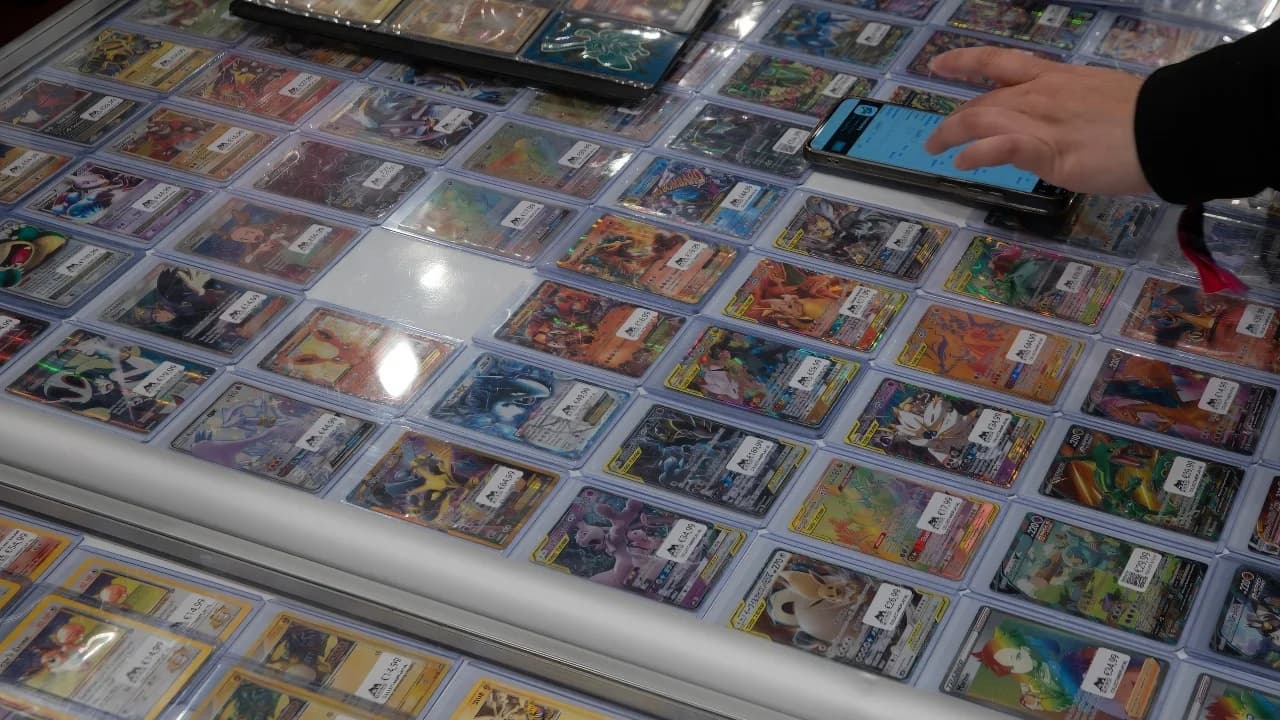
The collectible system operates through a combination of digital execution and vault-backed physical assets. Users purchase digital card packs within the app, which are opened via smart contracts utilizing verifiable on-chain randomness to generate outcomes transparently. Rather than purely digital tokens, each non-fungible token (NFT) in the collection represents a 1-to-1 physical trading card such as graded Pokémon or One Piece cards held in storage.
Addressing potential fulfillment risks and delivery bottlenecks for high-value items, a Jupiter spokesperson explained that third-party partners manage the physical asset pipeline prior to token creation. Cards are professionally graded, authenticated, and secured in an insured vault before a corresponding token is minted.
When a user elects to redeem a physical card, the associated NFT is burned, initiating the shipment process. However, to safeguard users against potential logistics failures, cards are covered by insurance during transit. In the event a shipment is lost, users can file a claim for the item’s insured value, which is explicitly detailed within the token’s metadata.
By incorporating pack opening, inventory tracking, and buybacks directly alongside Jupiter Mobile’s existing feature set, the company aims to eliminate friction for users accessing the service.
The move marks an expansion beyond core financial services for Jupiter, which initially built its footprint in cryptocurrency swaps before expanding into perpetual contracts and lending protocols. A company statement frames the Gacha integration as part of a broader strategy to consolidate diverse consumer on-chain experiences into a single mobile interface.

Jupiter Exchange opened a beta version of Jupiter Gacha on July 13, launching a platform where users open digital packs…
Read Now: Jupiter Drops Pokémon and One Piece Cards Onchain in New Gacha Beta Launch