Efforts to trade using national currencies are intensifying, as nations aim to reduce reliance on the U.S. dollar and Western financial systems while boosting economic independence.
Dedollarization Advances: Russia and Myanmar Discuss National Currency Payment System

This article was published more than a year ago. Some information may no longer be current.
WRITTEN BY

SHARE
Russia’s Plans for National Currency Payment Systems Signal Declining Dollar Use
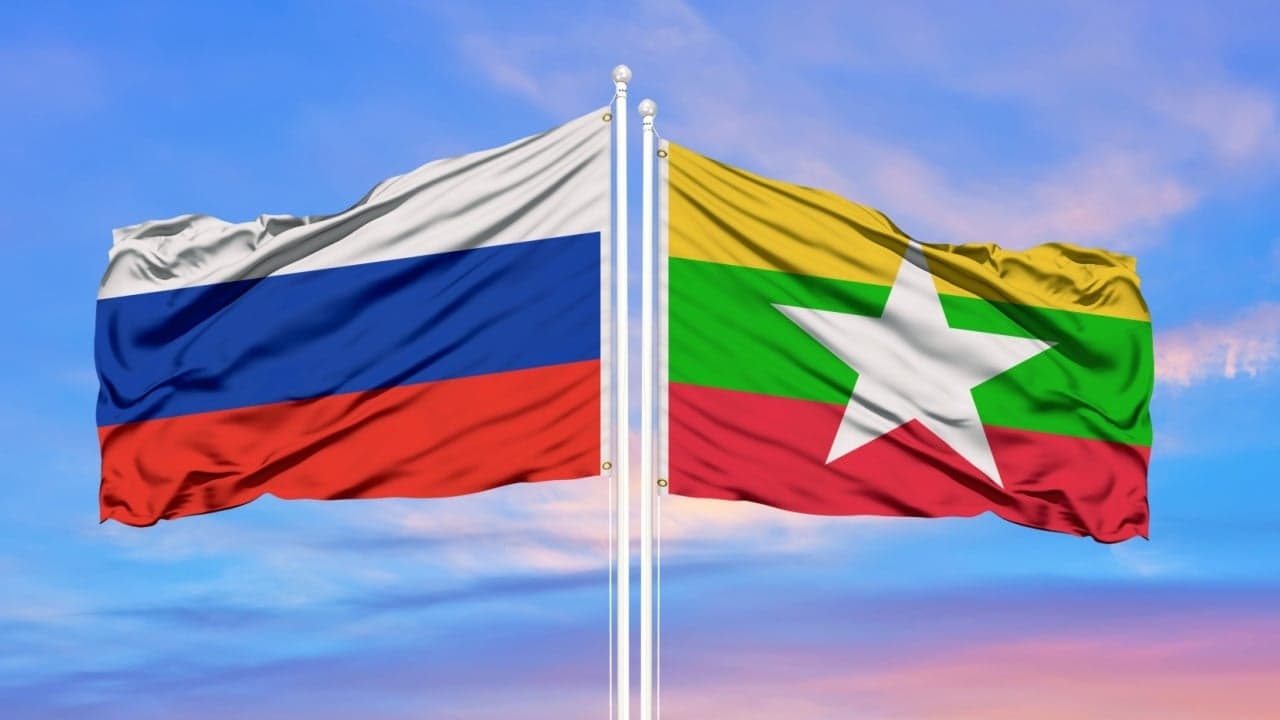
Countries worldwide are increasingly opting for national currencies in trade agreements, reducing reliance on the U.S. dollar and other Western currencies. Reflecting this global shift, Russia and Myanmar are advancing plans to conduct mutual trade using their domestic currencies, the kyat and the ruble. This move aims to enhance bilateral trade and reduce dependency on traditional financial systems dominated by Western powers.
Myanmar’s Minister for Investment and Foreign Economic Relations, Kan Zaw, revealed the discussions in an interview with Tass on Tuesday. He explained that the countries are negotiating a kyat-ruble payment system to streamline trade, though the central banks are keeping the talks confidential. Noting that further details are not yet public, the minister stated:
We have been negotiating the kyat-ruble payment system to facilitate the bilateral trade. However, the central banks of the two countries have been keeping the current series of discussions at a very low profile.
Despite the challenges of high transportation costs, particularly for air freight, Zaw underscored the opportunities for exporting Myanmar’s goods, including rice, avocado, coffee, and fisheries products, to Russia.
The Myanmar minister emphasized the importance of addressing logistical barriers through cooperation, elaborating:
Bilateral trade between the two countries will be increased through constructive dialogues at the national level by exchanging views on the potential of being able to connect with each other based on the needs of the market, resolving the difficulties encountered, and finding collaborative ways.
This initiative aligns with a broader global effort to reduce reliance on the dollar. The BRICS nations have long championed de-dollarization, promoting local currency trade within the bloc. ASEAN member states have also explored similar initiatives to strengthen regional financial autonomy. Russia, in particular, has intensified its efforts to bypass the dollar in response to Western sanctions, expanding its partnerships with countries in Asia, Africa, and Latin America. By engaging in local currency trade agreements and advocating for new financial frameworks, Russia seeks to diversify its economic interactions and minimize the influence of Western-led financial systems.