Following the first White House Crypto Summit, Crypto Czar David Sacks engaged in a discussion with the American entrepreneur Jason Calacanis, during which Calacanis floated the idea of imposing a 0.01% tax on every crypto transaction conducted within the United States. This levy, he suggested, would be collected in the transaction’s native digital asset.
David Sacks Rejects Proposed Crypto Transfer Tax, Citing Income Tax History as a Cautionary Tale

This article was published more than a year ago. Some information may no longer be current.
WRITTEN BY

SHARE
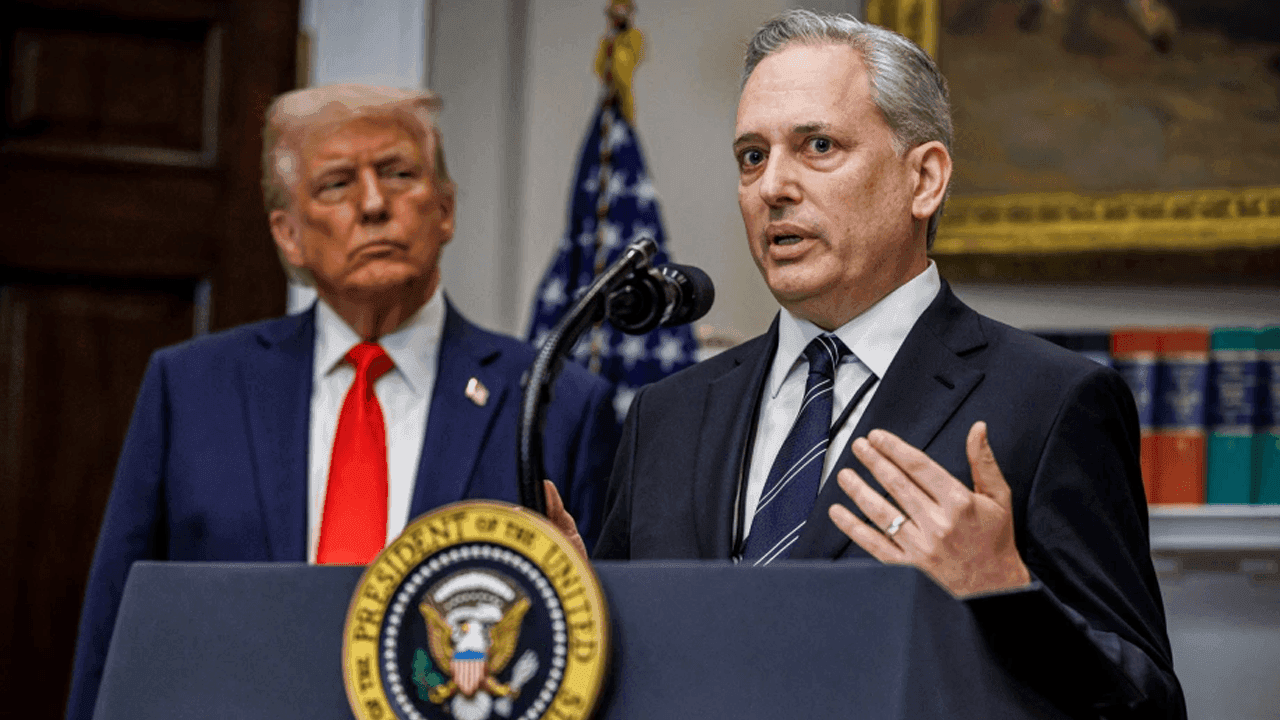
Calacanis Proposes 0.01% Levy, but Sacks Pushes Back
While conversing with Sacks, Calacanis elaborated on his rationale for the proposed tax, framing it as a potential compromise in the ongoing pursuit of regulatory clarity and mainstream legitimacy for the crypto industry. He posited that such a minimal fee could be a reasonable concession, with proceeds accumulating in a government-administered reserve.
As he presented this concept to the Trump administration’s Crypto Czar, Calacanis emphasized the potential for this mechanism to integrate digital assets more seamlessly into the established financial framework. Sacks, however, was unconvinced. He drew a historical parallel to the introduction of the income tax, recalling how it was initially designed to apply solely to a select group of Americans.
Legislators at the time, he said, adamantly assured the public that it would never extend to the middle class—an assertion that, as history has shown, ultimately proved to be far from realistic. “So I don’t really like the idea of new taxes, even if it’s promised that they just won’t affect people very much,” Sacks argued.
Sacks on Selling Ether for Bitcoin and His Thoughts on Meme Coins
In another proposal, Calacanis commented on ethereum’s ( ETH) underwhelming performance, suggesting that perhaps it would be wiser to exchange it for bitcoin ( BTC). On this point, Sacks was in full agreement. As Crypto Czar, he stressed the necessity of prudent portfolio management, noting that a Treasury Secretary with hedge fund experience would be well-suited to oversee such assets.
Sacks indicated that if the government were to maintain cryptocurrency reserves, a calculated investment strategy would be essential to preserving value and minimizing exposure to risk. The Trump administration’s crypto advisor also touched on the topic of meme coins and securities. He drew a comparison to collectibles like baseball cards, which derive their worth solely from market demand, arguing that meme coins should be approached in the same manner.
According to Sacks, as long as issuers explicitly state that a meme coin carries no intrinsic value, they should be free to create and sell them. However, he made a clear distinction between these speculative assets and tokens marketed as having tangible utility or inherent worth. If a project promotes a token as highly functional or claims it holds greater value than bitcoin, it must be held responsible for those declarations, he asserted.