“The seeds of a currency war are already being sown,” an expert has warned, as Trump’s policies risk inflaming devaluations, dollar volatility, and global economic instability.
Currency Wars Are Brewing: The Seeds of a Global Financial Spiral Are Being Sown

This article was published more than a year ago. Some information may no longer be current.
WRITTEN BY

SHARE
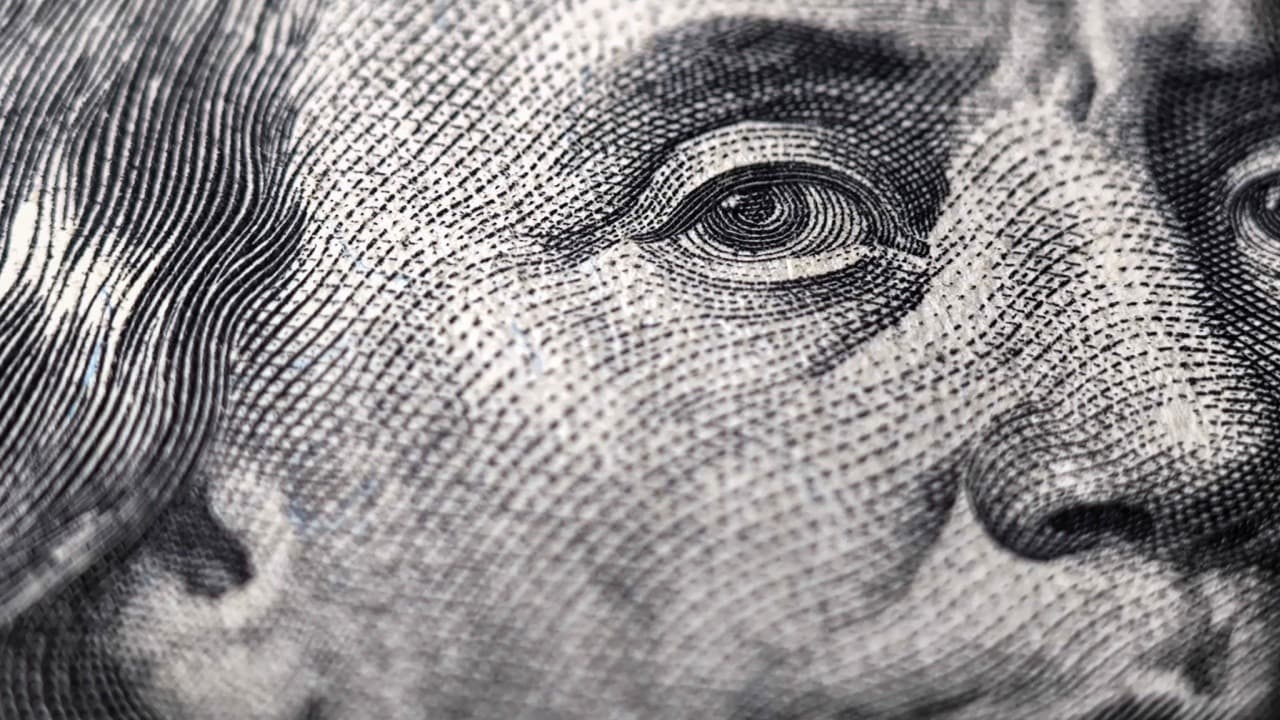
Currency Wars Loom as Trump’s Policies Threaten Global Market Stability
Nigel Green, CEO of the wealth management advisory firm Devere Group, has raised concerns about the growing likelihood of global currency wars under former President Donald Trump’s leadership. Speaking on Monday, Green warned that while trade wars have been widely discussed, the broader implications of currency conflicts are still underappreciated. He cautioned:
The prospect of currency wars—where nations deliberately weaken their currencies for competitive advantage—remains underappreciated.
His remarks highlight the risks associated with Trump’s history of dissatisfaction with a strong dollar and protectionist policies.
Reflecting on Trump’s earlier presidency, Green explained: “In Trump’s previous term, his administration repeatedly signaled dissatisfaction with a strong dollar, accusing major trading partners, including Europe and China, of unfairly manipulating their currencies to gain a competitive edge. Currency movements became political weapons. As fiscal divergence widens across economies, this risk is resurfacing.”
Green believes this divergence could be exacerbated by Trump’s reliance on tariffs and other protectionist measures, which have historically prompted retaliatory actions. He stated:
The seeds of a currency war are already being sown.
He detailed: “A new Trump administration is likely to lean heavily on tariffs and protectionist measures, which historically have triggered retaliatory moves—both through trade and through deliberate currency depreciation. Investors must understand the consequences and position portfolios accordingly.”
If a currency war does emerge, the global economic consequences could be severe, according to Green. He pointed out that weaker currencies in Europe and China, triggered by their responses to U.S. tariffs, could intensify dollar strength and provoke counteractions from the U.S. “The knock-on effects are clear,” he said. “Weaker currencies in Europe and China would amplify dollar strength, while escalating tensions could force the U.S. to counteract, intentionally or not.”
The Devere executive continued:
The potential for a chaotic spiral—where tariffs lead to currency devaluations and further retaliatory measures—is very real. A full-blown trade and currency war would hit risk-sensitive currencies, create inflationary pressures in the U.S., and disrupt global supply chains.
Concluding his remarks, Green emphasized the high stakes for global investors. “Trump’s policies will create winners and losers across markets, and the dollar’s trajectory will be a central focus. Investors who fail to prepare for the fallout of trade and currency conflicts risk being caught flat-footed in an increasingly volatile environment.”