According to the Reserve Bank of El Salvador, the use of crypto to make remittances to the country has consistently accounted for less than 1% of the total share since October 2024.
Crypto Remittances Fail to Gain Momentum in El Salvador

This article was published more than a year ago. Some information may no longer be current.
WRITTEN BY

SHARE
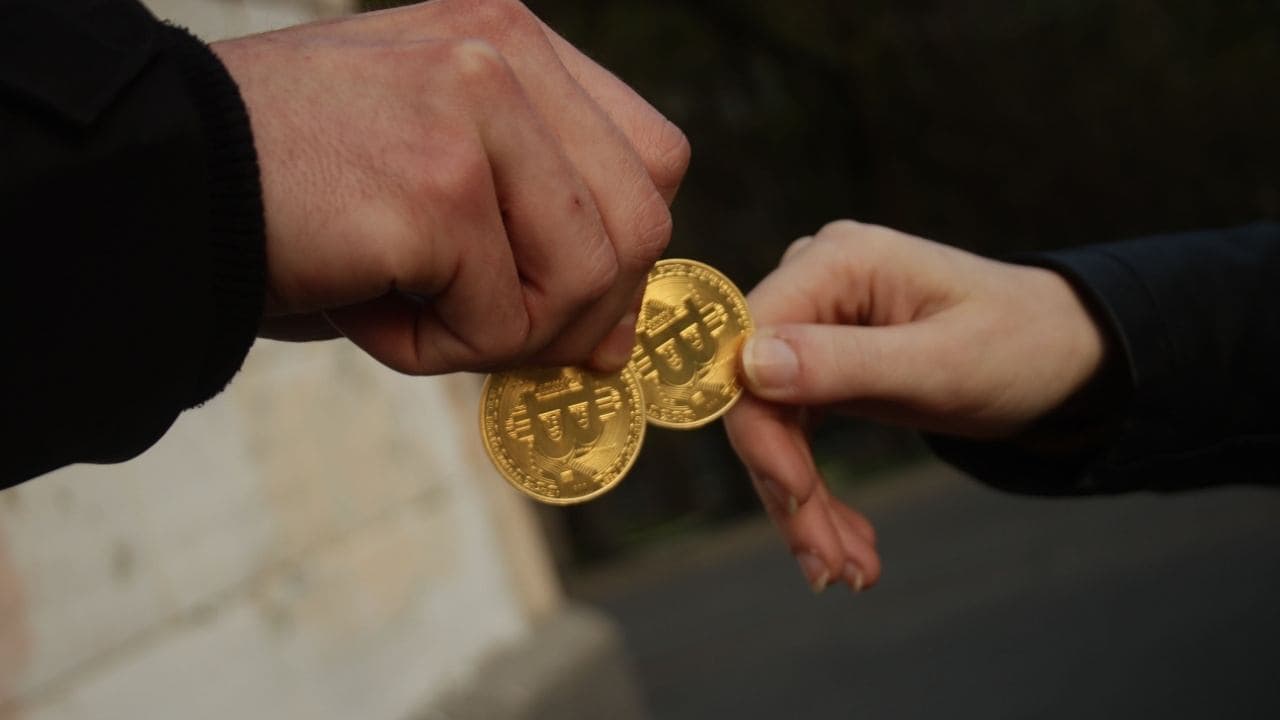
Adoption of Crypto for Remittances Falters in El Salvador
Crypto remittances, one of the main use cases for promoting bitcoin worldwide, have failed to gain steam in the country amidst a dollarized population that mainly uses traditional methods for these operations.
John Paul Koning, a financial writer, highlighted this via social media, revealing that the usage of crypto for making remittances to El Salvador has regressed since the country declared bitcoin legal tender in 2021.
The earliest numbers show that, due to the explosion of bitcoin usage at that time, crypto remittances reached nearly 5% of the influx of money sent to Salvadoreans in October 2021. However, these numbers have been declining ever since, accounting for less than 1% of these operations for December 2024. This shows bitcoin has failed to reach a critical mass to dethrone the traditional remittance services, that remain the more popular choice.
The Salvadoran government advertised the idea of crypto remittances as one of the central pillars of the national bitcoin push. President Nayib Bukele stated that it would benefit Salvadorans, preventing them from paying million in fees to middlemen.
In August 2021, Bukele remarked that traditional financial companies and banks had been taking up to 25% in fees for these services. Bukele stressed:
With Chivo, the commission will be 0% That is why they oppose the Bitcoin Law. They are protecting the $400 million that they take from our brothers abroad every year.
Chivo was the official wallet of the Salvadoran government, that was envisioned to be used for these purposes, for everyday payments and for P2P transactions between citizens. As part of this movement, Bukele promoted Chivo giving a $30 airdrop to citizens onboarding identities on the wallet’s platform.
As agreed with the International Money Fund last year, Chivo’s operations will be terminated or sold, as the government agreed to reduce the inclusion of bitcoin in its economy, and terminated the legal tender status of bitcoin in the country.
Read more: Central Reserve Bank: Only 1.1% of Remittances Involve Cryptocurrency in El Salvador