


XRP demand could increase as payments, stablecoins, decentralized finance, and tokenized assets bring more activity to the XRP Ledger, according to 21shares. The asset manager says activity could support XRP demand through fees, reserves, and bridge transactions.
21shares Sees XRP Demand Growing as XRPL Activity Expands Further
WRITTEN BY

SHARE
Key Takeaways
- 21shares links rising XRPL activity to potential XRP demand.
- XRP’s direct roles include fees, reserves, and bridge transfers.
- Issued assets can expand XRPL without trading directly in XRP.
21shares Ties XRP Demand to Fees, Reserves, and Bridge Use
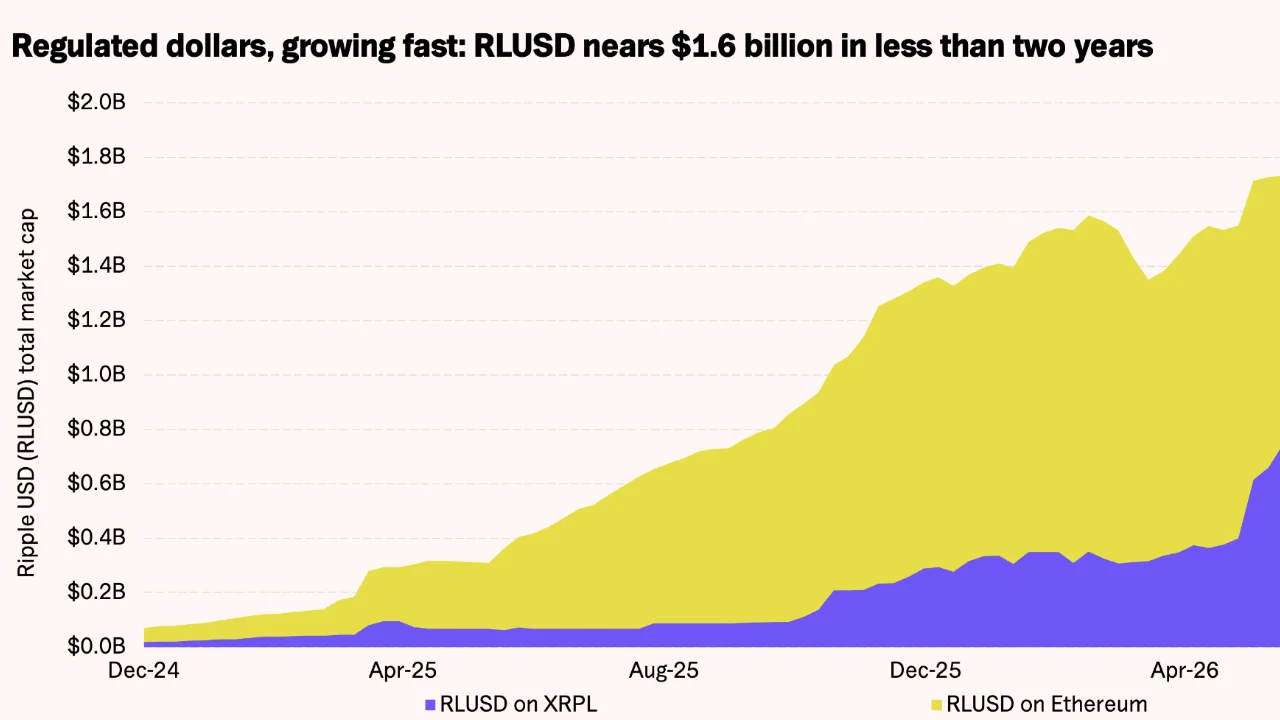
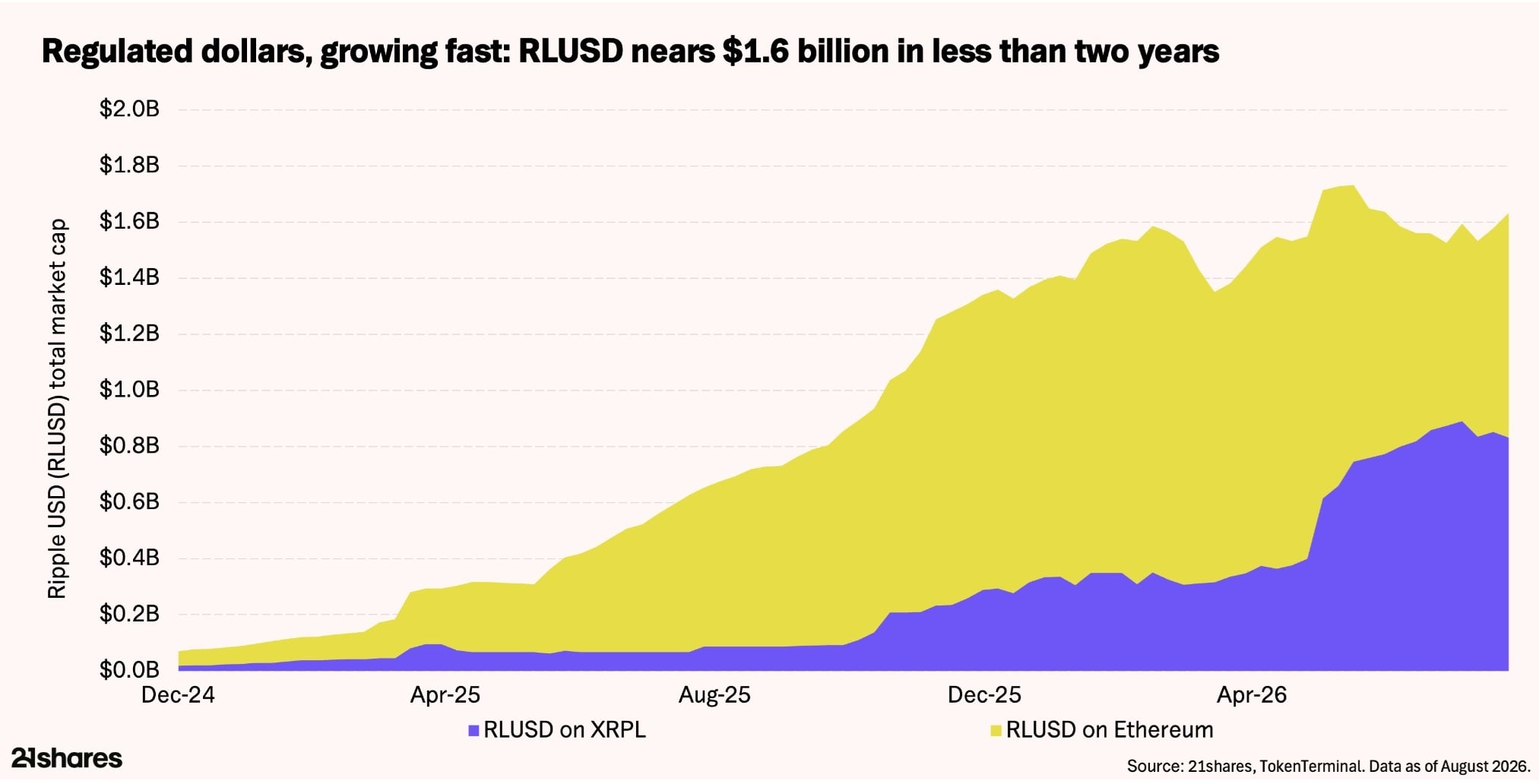
XRP demand could eventually rise as tokenized assets and stablecoins expand on XRPL, according to a thesis 21shares shared on Sept. 14. The asset manager’s post on X pointed to $4 billion in tokenized assets and about $1.6 billion in total RLUSD supply, with more than half circulating on the XRP Ledger. 21shares stated:
“Our thesis is that more activity eventually lifts demand for it, not that it’s denominated in it.”
The Sept. 14 X statement builds on an analysis published by 21shares on Aug. 12 by Maximiliaan Michielsen, an investment strategist at the crypto asset manager. The analysis described XRP as a bridge asset that payment providers can convert into and out of destination currencies, with settlement in three to five seconds and transaction costs of roughly $0.0002.
Every XRPL transaction burns a small amount of XRP through an anti-spam mechanism that protects the network from flooding. The base fee is 0.00001 XRP, and more than 14 million XRP has been burned since 2012, according to the analysis. That total equals about 0.014% of the original 100 billion supply, showing how crypto assets can provide network utility beyond transfers without creating a significant scarcity effect.
Stablecoins and Tokenized Assets Broaden XRPL Activity
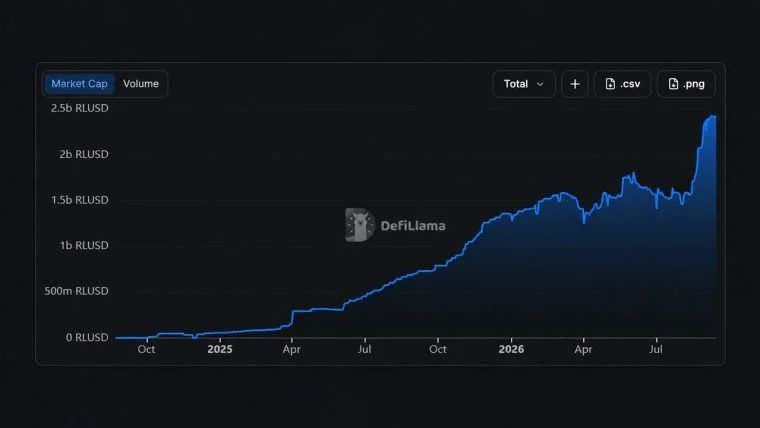
Stablecoins are becoming a larger component of XRP Ledger activity, led by Ripple USD (RLUSD), which 21shares said had about $1.6 billion in total supply. More than half of RLUSD’s total supply was circulating on XRPL by mid-2026, marking a shift from its earlier concentration on Ethereum.
Rising RLUSD use has coincided with higher network activity. RLUSD-related transactions on XRPL rose from about 54,000 in December 2024 to between 600,000 and 1.1 million per month during 2026, according to Evernorth data. The RLUSD/XRP pair processed roughly $900 million during the six months through June.
Tokenization represents another source of growth. 21shares estimates that tokenized assets on XRPL have reached around $4 billion. The ledger’s Multi-Purpose Token standard provides institutions with infrastructure for issuing bonds, funds, and other tokenized assets, with compliance requirements incorporated into each token’s structure.
That development follows a broader push to extend XRP Ledger utility into tokenized securities, funds, and loans. Ripple CTO Emeritus David Schwartz has identified tokenized stocks, money market funds, repos, and lending as areas where XRPL infrastructure could support financial activity beyond basic transfers.
DeFi Growth Adds Another Route for Network Usage
The XRP Ledger also includes a decentralized exchange at the protocol level, allowing issued assets to trade directly against other assets without requiring a separate exchange application. XRP can serve as an intermediary pair, connecting markets where a direct trading pair lacks sufficient liquidity.
DeFi remains comparatively small, with 21shares placing the sector at more than $30 million on XRPL, but new lending infrastructure is under development. Ripple, Clearpool, and Cicada Partners are building an institutional lending market that would use RLUSD as the credit asset and XRPL’s proposed Lending Protocol and Single Asset Vault architecture.
The distinction between XRPL growth and direct XRP usage remains central to the investment thesis. Tokenized bonds, stablecoins, and other issued assets can exist and trade on the ledger without being denominated in XRP. XRP’s direct role comes through transaction fees, account reserves, bridge liquidity, and situations where it serves as an intermediary asset.
21shares therefore frames greater XRPL activity as a potential source of XRP demand rather than a direct one-for-one relationship. The firm estimates that the network averaged around 1.7 million transactions per day and approximately $1.3 billion in on-chain value per day over the past year, putting total settlement activity near half a trillion dollars.
Grayscale has made its XRP ETF one of the largest allocations across its new crypto model portfolios for financial advisors.…
Read Now: Grayscale Makes XRP a Core Holding in New Crypto Model Portfolios