Consensys Software has issued a statement addressing U.S. Securities and Exchange Commission (SEC) charges accusing the company of unregistered securities offerings through Metamask staking and swaps. Consensys contends the SEC’s actions are regulatory overreach and vows to defend its position in court, emphasizing the broader implications for the web3 ecosystem.
Consensys to Challenge SEC in Court: Confident SEC Lacks Authority to Regulate Software Interfaces Like Metamask

This article was published more than a year ago. Some information may no longer be current.
WRITTEN BY

SHARE
Consensys Challenges SEC Charges
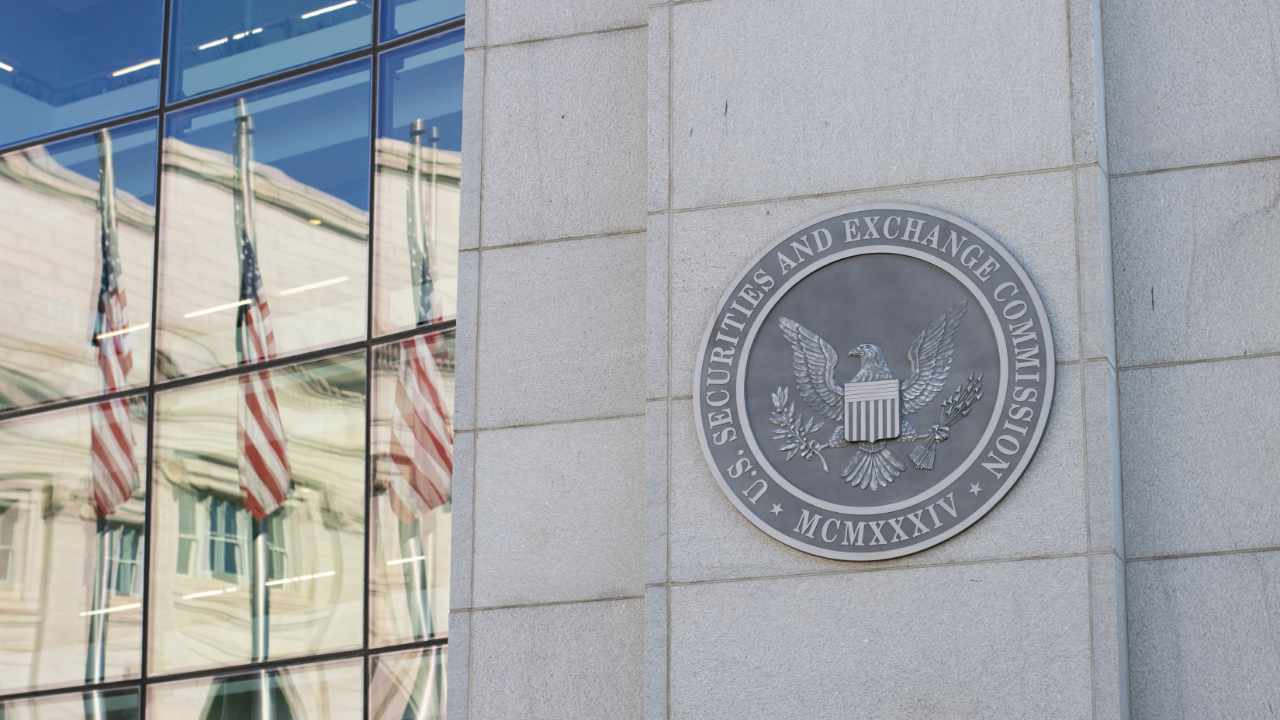
On Friday, Consensys Software issued a statement addressing the charges brought by the U.S. Securities and Exchange Commission (SEC). The SEC accused Consensys of “engaging in the unregistered offer and sale of securities through a service it calls Metamask Staking” and “operating as an unregistered broker through Metamask Staking and another service it calls Metamask Swaps.”
Consensys responded that the company “fully expected the SEC to follow through on its threat to claim our Metamask software interface must register as a securities broker,” elaborating: “The SEC has been pursuing an anti- crypto agenda led by ad hoc enforcement action. This is just the latest example of its regulatory overreach – a transparent attempt to redefine well-established legal standards and expand the SEC’s jurisdiction via lawsuit.” Consensys continued:
We are confident in our position that the SEC has not been granted authority to regulate software interfaces like Metamask. We will continue to vigorously pursue our case in Texas for ruling on these issues because it matters not only to our company but the future success of web3.
In April, Consensys filed a lawsuit against the SEC to protect the Ethereum ecosystem, arguing that the SEC’s attempt to regulate ether ( ETH) as a security would significantly impact the U.S.’ ability to utilize Ethereum and related blockchain technologies. The company stressed: “The implications would stretch far beyond digital asset trading, jeopardizing the future of countless new innovations, products and U.S. jobs that this next generation of the Internet will unleash.”
Last week, Consensys announced that the SEC had concluded its investigation into Ethereum 2.0 without taking any enforcement action. The company described this outcome as “a major win for Ethereum developers, technology providers, and industry participants who have suffered as a result of the Securities and Exchange Commission’s regulatory overreach and inconsistent positions on Ethereum.”
Do you think Consensys will win against the SEC in court? Let us know in the comments section below.