U.S. lawmakers have launched the Congressional Crypto Caucus, a coalition aiming to shape digital asset policy and defend blockchain innovation as demand for crypto-friendly legislation rises.
Congress Launches a Crypto Caucus—Is This the Start of a Policy Revolution?

This article was published more than a year ago. Some information may no longer be current.
WRITTEN BY

SHARE
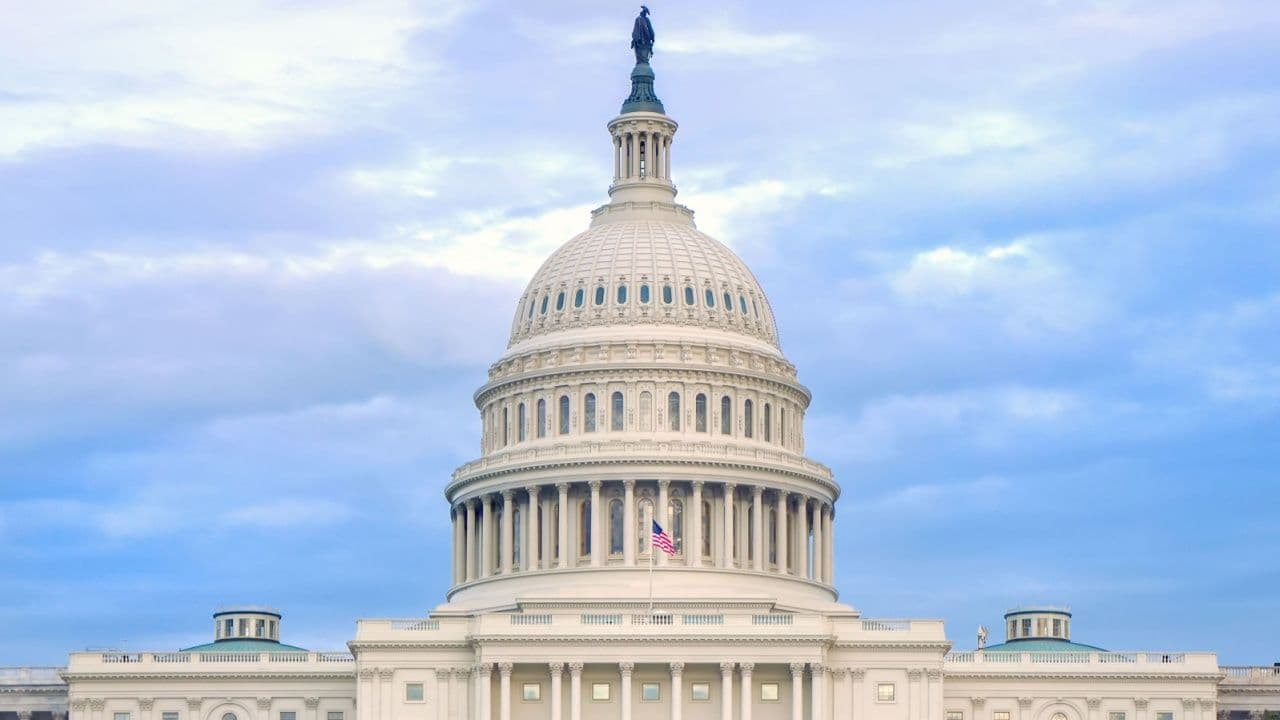
US Lawmakers Establish Congressional Crypto Caucus
Congressman Ritchie Torres and House Majority Whip Tom Emmer have announced the launch of the Congressional Crypto Caucus, a bipartisan group aimed at advancing digital asset and blockchain policy in the United States.
Torres announced on social media platform X on March 3 that he and Rep. Emmer are launching the Congressional Crypto Caucus, adding: “We hope to build a unified, bipartisan coalition to cement America’s leadership in the future of digital assets and blockchain innovation.” Emmer emphasized the significance of voter support for crypto-friendly policies, stating on X:
Millions of American voters made their voices heard at the ballot box in November. You elected the most pro- crypto Congress and presidential administration in history. To capitalize on this opportunity, Rep. Torres and I have launched the Congressional Crypto Caucus.
In another X post, Emmer described: “The Crypto Caucus will serve as a unified voting bloc in Congress – a nonpartisan group of members ready to mobilize to support and defend open, permissionless, and private innovation in the United States.”
A series of cryptocurrency-related bills are currently under consideration in Congress. Among them, Tennessee Senator Bill Hagerty’s GENIUS Act, which focuses on stablecoins, may progress in the near future. Meanwhile, Senate Banking Committee Chairman Tim Scott has expressed his intent to advance crypto legislation before the end of April.
The Congressional Crypto Caucus underscores a growing bipartisan effort to shape digital asset policy. Fox Business journalist Eleanor Terrett reported that the caucus will function as a legislative voting bloc separate from the Congressional Blockchain Caucus, which was established in 2017. She added that Emmer and Torres formed the caucus in response to voter demand for blockchain-friendly policies. The lawmakers hope the group will help advance legislation that fosters innovation while protecting consumers. With ongoing industry input on stablecoin regulations and increasing bipartisan interest, the caucus could play a key role in shaping the future of digital finance in America.