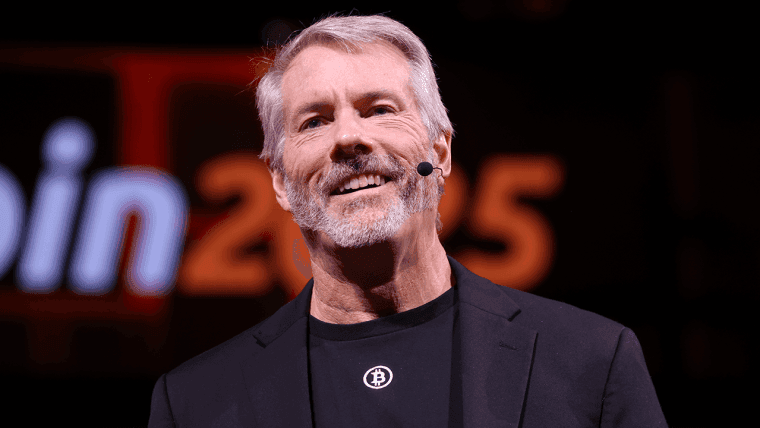



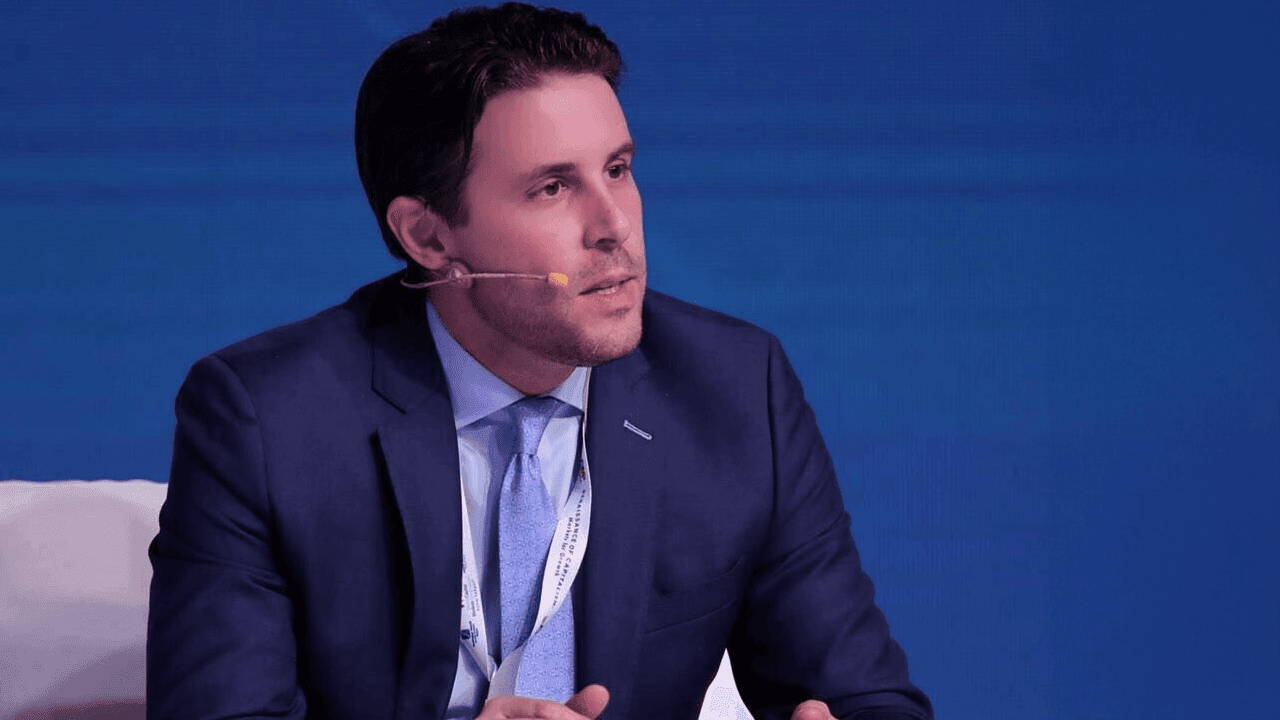
Coinbase Head of Institutional Strategy John D’Agostino told CNBC viewers this week that more than 40 countries have committed to bitcoin in some form for their national balance sheets.
Coinbase Institutional Head: 'Over 40 Countries Commit to Buying Bitcoin'
WRITTEN BY

SHARE
Key Takeaways
- D’Agostino said over 40 countries have committed to buying bitcoin as of June 2026.
- Public trackers show only 13 governments with confirmed BTC holdings worth $37.9B. Some of those holdings are contestable and not proven.
- Traders should watch for confirmation as commitments turn into buys.
D’Agostino made the comments during a late June appearance widely clipped and shared on X on June 30. He described sovereign interest in bitcoin as a quiet, steady trend rather than a series of grand announcements.
“We’ve seen over 40 countries commit to buying bitcoin in some fashion for their national balance sheets or other,” D’Agostino remarked. “So I’m seeing every day a deluge of new institutional investors that are interested in the asset class. So I appreciate folks who don’t have that perspective. They’re looking for some grand gesture or grand event. But for those of us who have the luxury of being on the inside, all we’re seeing is steady growth, even if the headlines don’t match that.”
Commitment Versus Confirmed Holdings
D’Agostino’s word was commitment, not active purchasing, and public trackers reflect that distinction. Bitcointreasuries.net currently counts roughly 13 government entities with confirmed bitcoin holdings, totaling about 649,946 BTC, worth close to $37.9 billion at recent prices.
The United States holds the largest stack, near 328,372 BTC, most of it from law enforcement seizures and now folded into a Strategic Bitcoin Reserve created by executive order in 2025. Bitcointreasuries.net data shows that the United Kingdom holds roughly 61,245 BTC, El Salvador about 7,698 BTC, the United Arab Emirates near 6,420 BTC, and Bhutan close to 4,973 BTC, much of it tied to state-backed hydropower mining.
Some of the country holdings listed are contestable. For instance, Arkham reports that Bhutan only holds 1,749.95 BTC after a concession of alleged sales. Alongside this, extensive reporting indicates that China holds no bitcoin, despite widespread claims that the country controls more than 190,000 BTC.
In another case, reports claiming Ukraine holds 46,000 BTC have also been debunked, as the tracking was erroneously attributed to the “holdings of public officials.” Even the reported figure attributed to the United States may be significantly inaccurate. Aside from that, broader research shows a wider circle of countries that have moved toward bitcoin without necessarily executing large purchases.
A River report from late 2025 counted about 23 nation-states with bitcoin exposure through seizures, direct purchases, state-backed mining, or sovereign wealth fund allocations, putting government-controlled supply near 432,000 BTC, or about 2.1% of all bitcoin in existence.
Where the 40 Figure Likely Comes From
D’Agostino’s number, as stated on CNBC, appears to combine countries with confirmed holdings and a larger group that has signaled intent without yet building out full purchase programs. Many point to examples like the Czech National Bank’s small treasury test and accumulation by UAE family offices and sovereign wealth funds as evidence the commitment trend is spreading.
Much of the largest known government bitcoin came from seizures rather than deliberate buying. Commitment, in many of these cases, means a pilot, a policy proposal, or a stated intention to hold bitcoin, not an ongoing open-market purchase program.
What This Means for Traders
A growing list of countries committing to bitcoin, even before large purchases follow, adds a structural argument for bitcoin as a reserve asset candidate. That can support long-term institutional interest and chip away at bitcoin’s reputation as a purely speculative trade.
Near-term price action still depends more on exchange-traded fund (ETF) flows, corporate treasury buying, and macro conditions than on sovereign commitments that have not yet turned into purchases. Traders watching for confirmation of D’Agostino’s claim should track and follow announcements from central banks and sovereign wealth funds rather than treating the 40-country figure as a count of active buyers.

Visa, Coinbase, Stripe, Mastercard and more than 140 other companies are launching a new stablecoin called Open USD, built to…
Read Now: 140 Firms Including Coinbase and Ripple Launch the New Open USD Stablecoin