


Crypto regulation is finally gaining real traction in Washington as bipartisan momentum accelerates efforts to bring clarity, protect consumers, and fuel U.S. digital asset innovation.
Coinbase CEO Sees Bipartisan Momentum for US Crypto Laws

This article was published more than a year ago. Some information may no longer be current.
WRITTEN BY

SHARE
Coinbase CEO Sees Breakthroughs in Bipartisan Crypto Regulation Push
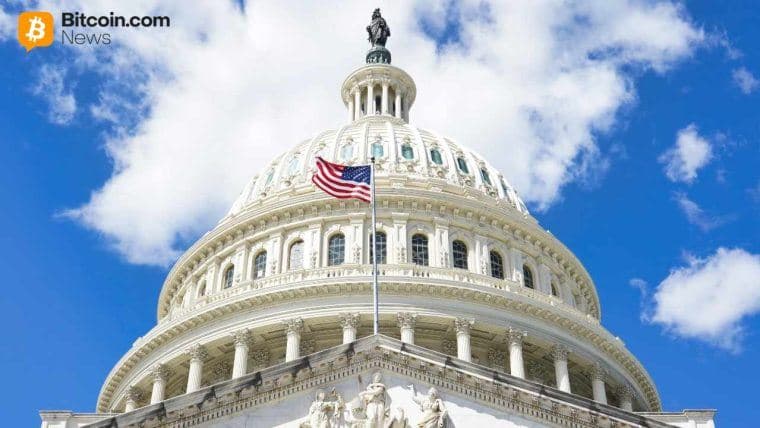
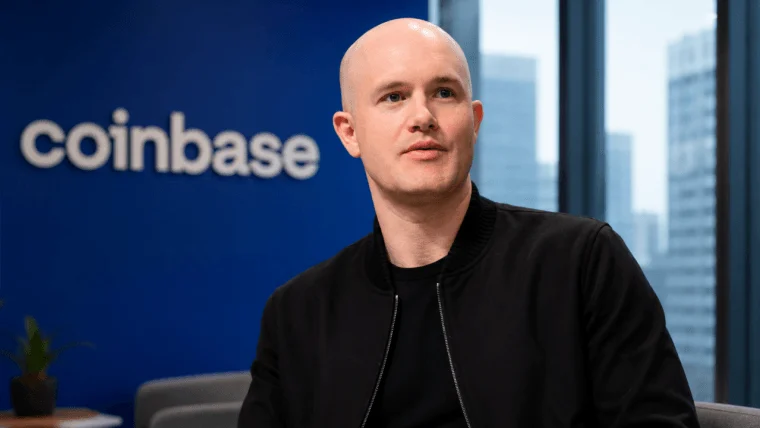
Coinbase CEO Brian Armstrong shared on social media platform X on Sept. 18 that cryptocurrency regulation in Washington D.C., is gaining momentum. He pointed to his recent visit to the capital as part of ongoing efforts to advance market structure legislation that balances consumer protection with innovation.
Armstrong explained:
Seeing great progress for crypto in DC. Our focus, as always, is consumer protection. Both sides of the aisle are aligned on bringing clear rules to make this happen, which is ideal.
The Coinbase chief executive stressed that his trip was aimed at ensuring digital assets can be developed in the United States under a clear framework. On Sept. 17, he wrote: “I was in DC the last few days working to get market structure legislation passed for crypto. This is how we ensure the crypto industry can be built here in America, driving innovation and protecting consumers, and making sure we never have another Gary Gensler trying to take your rights. There is strong bi-partisan support, but we need your help to get it done.” He urged industry participants to engage with advocacy group Stand With Crypto to help build grassroots support.
Armstrong also noted optimism about the legislative outlook, stating:
After this week, we’ve never been more bullish about momentum for market structure. And we won’t let big banks’ unserious attempts to ban crypto rewards by relitigating the GENIUS Act distract us from getting market structure done.
While critics caution about risks tied to volatility and potential consumer losses, advocates counter that comprehensive legislation would address those challenges while ensuring the U.S. remains competitive in the global digital asset economy.